



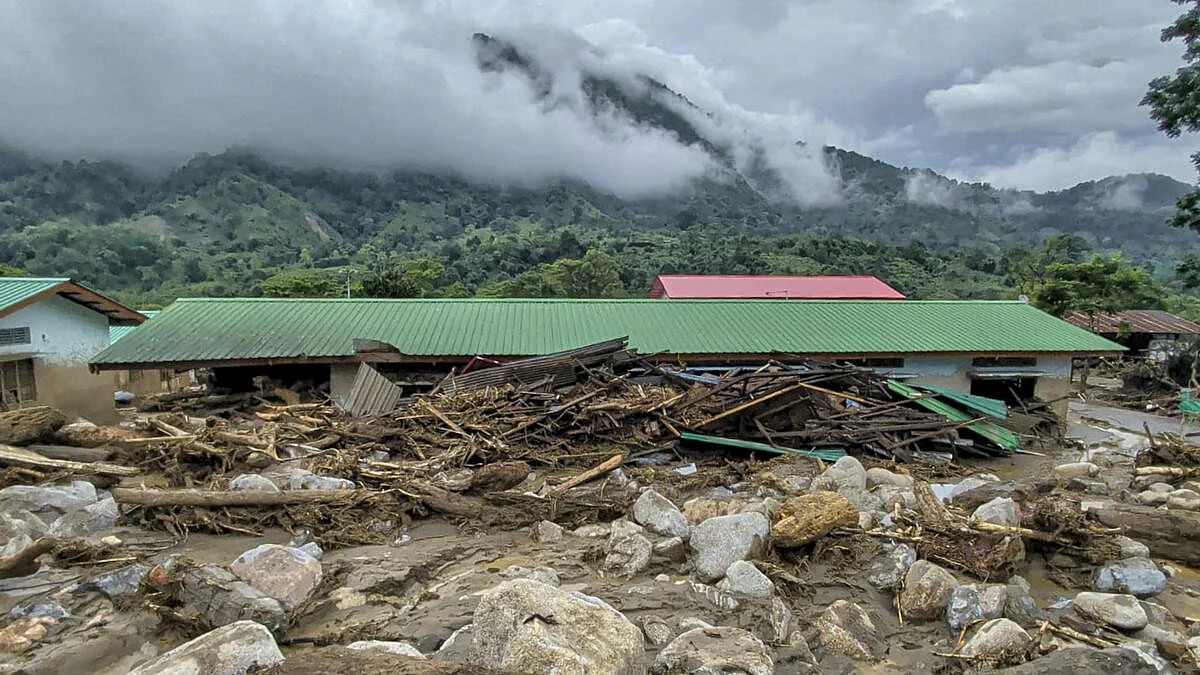
Arunachal Pradesh, India’s easternmost state, is confronting a severe weather crisis that stands in sharp contrast to the heatwaves plaguing much of North and Western India. Over the past few weeks, heavy monsoon rains have triggered flashfloods and landslides that have claimed lives and destroyed homes, bridges, and critical infrastructure across multiple districts. Local authorities and rescue teams are struggling to respond to the scale of the disaster in a state where mountainous terrain limits access to affected areas.
The state’s geography makes it especially vulnerable to these kinds of water-related disasters. Arunachal Pradesh sits directly in the path of intense monsoon systems, and its steep slopes and complex river systems can turn heavy rainfall into flashfloods within hours. What constitutes manageable precipitation in other parts of India can become catastrophic here. Villages have been cut off as roads collapsed or became submerged, leaving residents without access to food, water, or medical supplies. Schools have been shut across multiple regions, and evacuation orders have forced families to abandon their homes with little warning.
The human toll has been steady and grim. Deaths have been reported as landslides have buried homes and as flashfloods have swept through populated areas. Rescue operations have been hampered by ongoing rain, difficult terrain, and limited helicopter access due to weather conditions. Local resources are stretched thin, with state government teams working around the clock to reach stranded communities. Agricultural land has been destroyed, compounding the economic impact on communities that already face limited livelihood options.
This crisis reveals a larger pattern in India’s changing climate. While policy discussions focus on heatwaves and droughts, states like Arunachal Pradesh face the opposite extreme: rainfall that is becoming more intense and concentrated rather than steady and predictable. Infrastructure designed for older weather patterns is failing under new conditions. The state government has declared emergency relief and mobilized whatever resources it can, but the mismatch between disaster scale and available capacity is evident.
For many residents, the uncertainty is as challenging as the immediate danger. There is no clear timeline for when rains will stop, when roads will reopen, or when normal life will resume. Relief operations continue, but they remain reactive rather than systematic. The contrast between India’s simultaneous climate crises—extreme heat in some regions, extreme rainfall in others—underscores how unevenly climate impacts are hitting different parts of the country. Arunachal Pradesh’s struggle is a reminder that disaster preparedness cannot be one-size-fits-all.
Source: Deccan Herald