




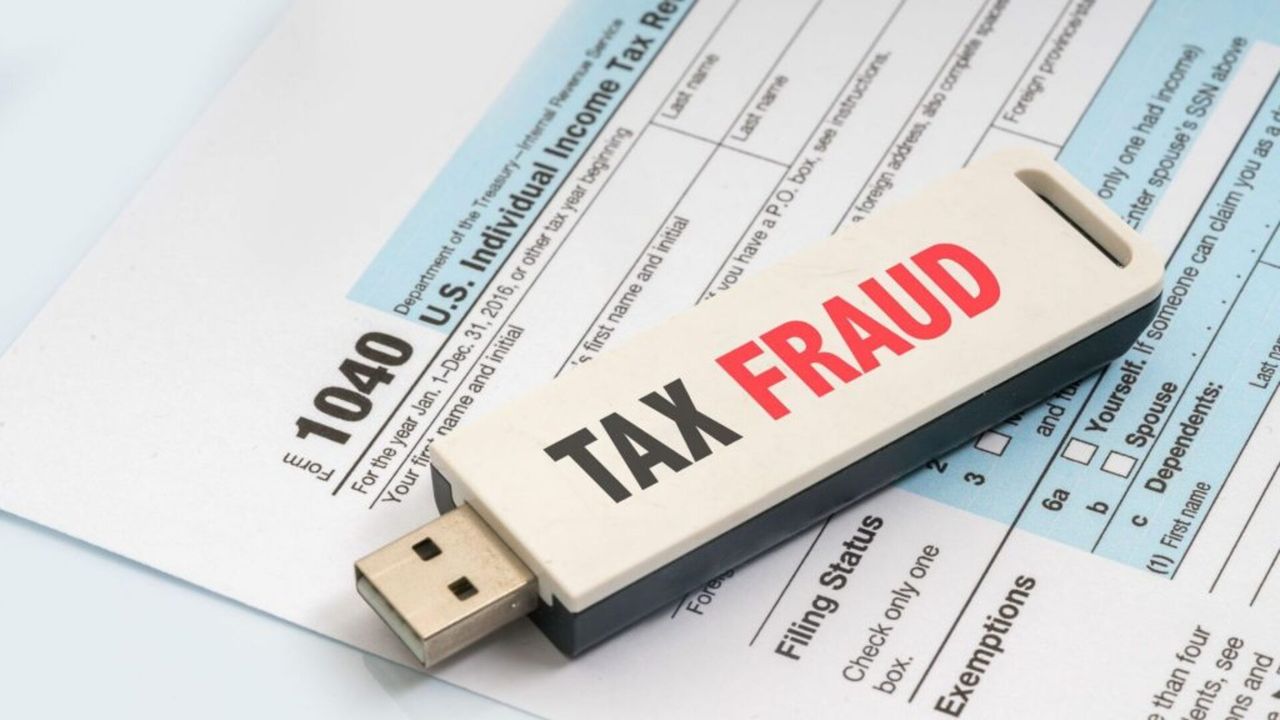
Cybersecurity researchers have uncovered a dangerous malware campaign targeting Indian taxpayers through fake income tax notices. Hackers are creating fraudulent emails and messages that appear to come from the Income Tax Department, complete with official-looking logos and language. When recipients click links in these notices, they are directed to websites that replicate the real income tax portal with convincing accuracy. These fake sites then prompt users to download what appears to be a tax form or document, but the download actually contains malware designed to give attackers remote access to the user’s computer.
Once installed, this remote-access malware is particularly dangerous. It allows hackers to see everything happening on the infected device, access stored files and passwords, monitor banking applications in real time, and take control of the computer remotely. The malware communicates with attackers through encrypted channels, making it harder for security software to detect and block the suspicious activity. This encryption is deliberately designed to hide the malware’s communications from antivirus tools and firewalls.
The timing of this campaign reveals how attackers exploit seasonal behavior. Income tax filing season is when people expect to receive government notices and are more likely to trust tax-related communications. By launching this malware campaign during peak tax season, hackers significantly increase the likelihood that people will open their emails, click the links, and download the malware without suspicion. This is a calculated strategy that takes advantage of public expectations and reduced vigilance during government-mandated filing periods.
The consequences of infection extend beyond individual financial loss. Once malware is installed on a device, attackers can steal banking credentials, access personal identification documents, monitor financial transactions, and even use the infected computer to launch attacks on other targets. The damage spreads from the individual victim to their family members, contacts, and potentially wider networks. Data theft from these infections can fuel identity fraud, unauthorized loans, and account takeovers that take months to reverse.
Protection requires awareness and deliberate caution. The safest approach is to never click links in unsolicited emails, even if they appear to come from official sources. Instead, always navigate to government websites by typing the address directly into your browser. Verify sender email addresses carefully. Contact the tax office directly using a verified phone number from their official website if you receive a suspicious notice. These simple steps can prevent infection and protect your financial security.