



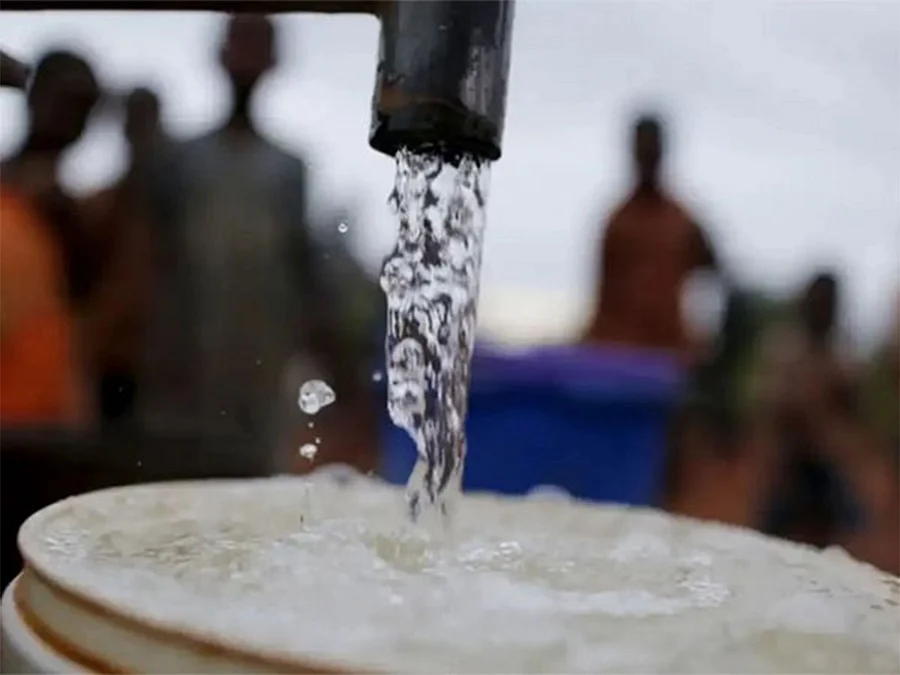
Mumbai’s water crisis has reached a critical point. The reservoirs supplying drinking water to the city have fallen to just 10 percent of their capacity, according to reports from Edex Live. This isn’t a problem confined to household taps anymore — the shortage is now forcing sports facilities and commercial businesses to shut down operations.
Across Mumbai, the impact is visible everywhere. Swimming pools that once hosted academies and training programs now sit empty. Cricket clubs and fitness centers have suspended memberships because they cannot maintain basic facilities without adequate water. Hotels, restaurants, and laundries — businesses that depend on large quantities of water daily — are cutting operations or raising prices dramatically to survive. Shopping malls have reduced cleaning schedules and air conditioning. Construction sites have come to a standstill because concrete work requires enormous amounts of water.
The numbers tell a stark story. Mumbai’s four main reservoirs — Bhatsa, Vihar, Tulsi, and Powai — are severely depleted. The city supplies drinking water to over 20 million people, yet the infrastructure hasn’t expanded to match this demand. Additionally, almost 30 percent of water is lost through leakage in old pipes and illegal connections before it ever reaches homes and businesses.
Why has it gotten this bad? The immediate cause is insufficient monsoon rains in recent years. Mumbai’s water supply depends heavily on seasonal rainfall to refill these reservoirs. When rains fall short, the system quickly becomes strained. But the deeper problem is decades of insufficient planning. The city’s population growth was predictable, yet investments in water infrastructure lagged far behind.
The human cost is already severe. Residents in many areas receive water only a few hours each day. Middle-class families are buying water tankers at inflated prices. Low-income areas and slums face complete shutdowns on certain days. People queue for hours at water distribution points, a scene rarely seen in India’s wealthiest city.
The state government has announced phased water rationing and plans to pump water from the Vaitarna river, but these solutions will take months to implement. Meanwhile, thousands of people and hundreds of businesses are suffering now. Office workers lack water to drink. Families cannot maintain basic hygiene. Workers in water-dependent industries face job losses.
What makes this crisis particularly significant is where it’s happening. Mumbai is India’s financial capital and one of the country’s richest cities. It generates enormous tax revenue and hosts the headquarters of major banks, corporations, and industries. If the financial capital cannot secure water for its residents and businesses, it raises urgent questions about urban planning across India.
The failure here is institutional. Government agencies responsible for water management knew demand was rising. They knew monsoon patterns had become unpredictable. Yet the system was not prepared. No major investments were made to increase storage capacity or reduce leakage. No serious push for water recycling or conservation happened until the crisis was at the door.
Looking ahead, the monsoon season will determine whether this crisis eases or worsens. If rains are normal, reservoirs will slowly refill and rationing can be lifted. If rains are again insufficient, Mumbai could face even more severe restrictions. Either way, this crisis reveals a fundamental problem: India’s cities are growing faster than their infrastructure can support, and nobody is planning for that gap.
Source: Edex Live