



Delhi’s newly notified Electric Vehicle (EV) Policy 2026 may have a much bigger impact than the capital’s vehicle market alone, according to a report by Morgan Stanley. While the brokerage expects only a limited short-term effect on automakers because Delhi contributes a relatively small share of their domestic sales, it warns that the policy could become a template for other states.
The report argues that the real challenge for automobile manufacturers would emerge if similar regulations are adopted across India. Such a shift could significantly accelerate the country’s transition away from internal combustion engine (ICE) vehicles, forcing manufacturers to speed up investments in electric mobility.
The Delhi EV Policy introduces phased restrictions on new ICE vehicle registrations in select categories. From January 1, 2027, only electric three-wheelers and commercial vehicles below 3.5 tonnes will be eligible for fresh registration. From April 1, 2028, new registrations of petrol and CNG two-wheelers will end, allowing only electric two-wheelers to be registered in the capital. The policy also requires that 30% of school bus fleets be electric by March 2030.
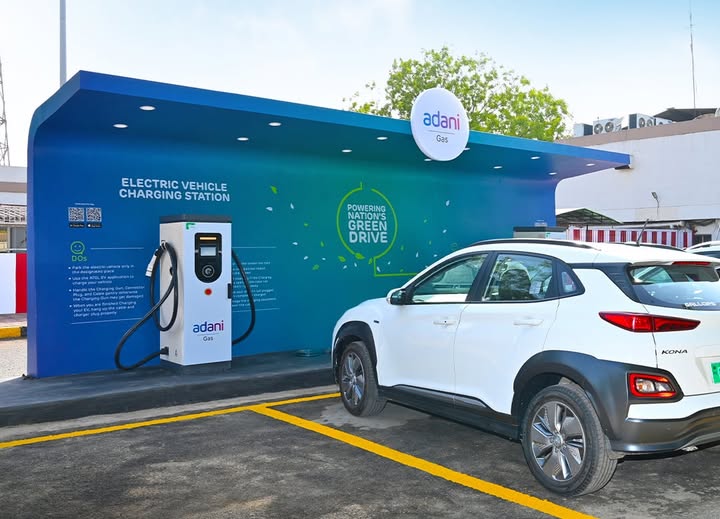
To support the transition, the Delhi government has announced ₹7,000 crore in direct incentives and ₹8,000 crore in indirect incentives and infrastructure investments. These include subsidies for electric vehicles, a ₹1 lakh scrappage incentive for replacing older vehicles with eligible EVs, exemptions from road tax and registration fees for certain electric cars, and plans to install more than 32,000 EV charging points across the city.
Morgan Stanley expects resistance from sections of the automobile industry, particularly manufacturers and dealers in the two-wheeler segment where electric alternatives remain limited. The report points to Chandigarh, which postponed a similar proposal to ban new ICE two-wheelers after industry concerns.
However, companies with stronger electric vehicle portfolios, including Hero MotoCorp, Bajaj Auto and TVS Motor, may be better positioned if similar policies spread to other states. For Eicher Motors, the report notes that the success of its newly launched electric motorcycle could become increasingly important under a changing regulatory landscape.
Beyond electrification, Morgan Stanley argues that faster scrappage of ageing vehicles and greater localisation of battery manufacturing would also play a critical role in reducing emissions and strengthening India’s long-term energy security.
For now, the policy applies only to Delhi. Whether it remains a city-specific initiative or becomes a model for other states could determine its long-term impact on India’s automobile industry.
Source: Times of India