



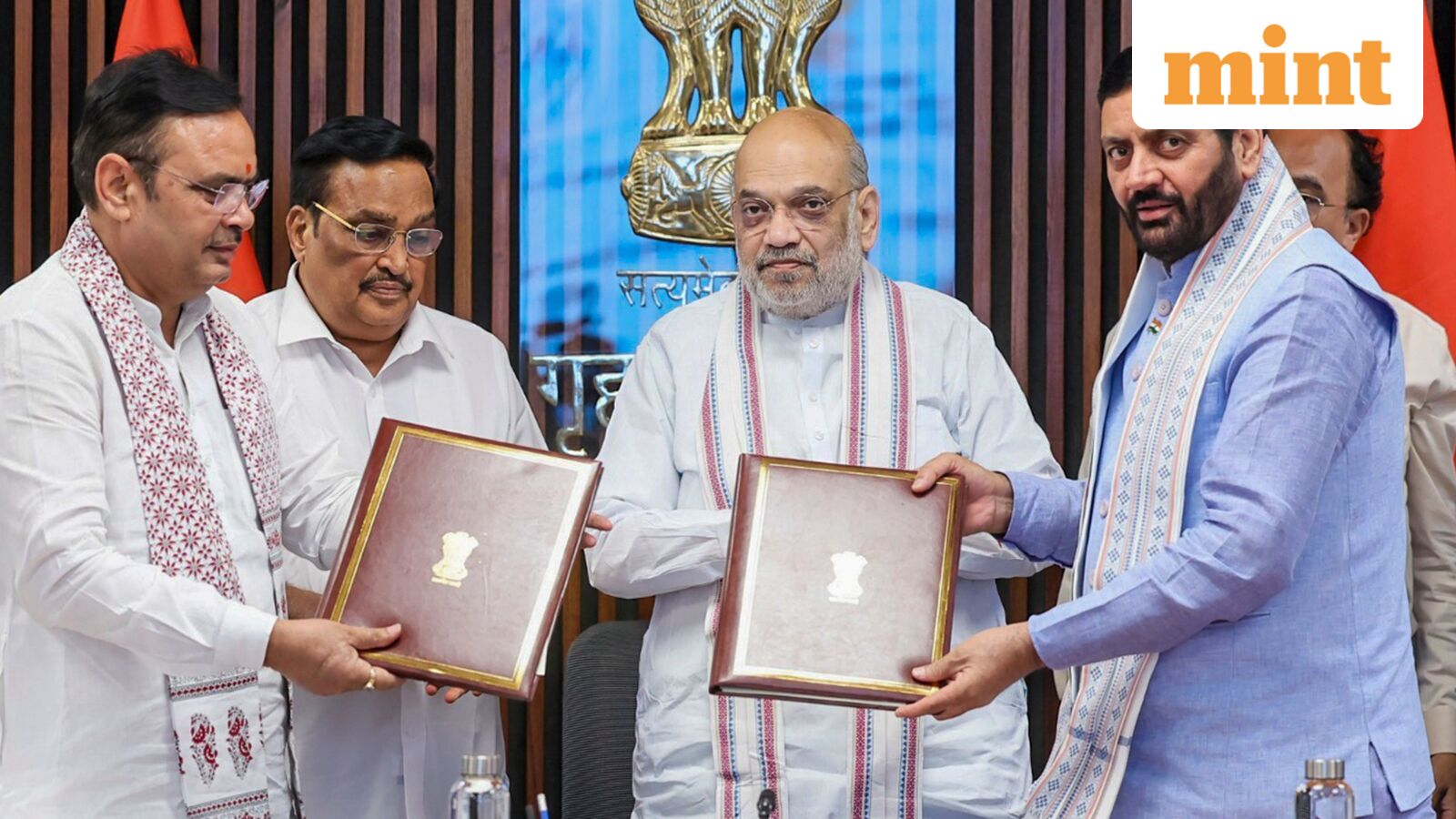
Haryana and Rajasthan have signed an agreement to resolve one of India’s longest-running water disputes. The two states will build an underground pipeline system to transport water from the Yamuna River to water-stressed districts in both regions. The Yamuna Water Project, first proposed in 1994, represents a major step toward resolving tensions that have simmered for three decades.
Rajasthan will receive water for districts including Alwar and Bharatpur, while Haryana will get water for southern districts. Millions of residents in these areas currently face severe water shortages during dry seasons, forcing reliance on groundwater that has become dangerously depleted. The underground pipeline design reduces water loss to evaporation compared to open-canal systems, which can lose 20 to 40 percent of water in transit.
Water disputes between Indian states have historically become trapped in legal and political gridlock. The Yamuna case involved competing claims from multiple states along its course, with upstream dams reducing downstream availability. The agreement shows that negotiation and practical infrastructure solutions can eventually overcome long-standing disagreements when both states recognize mutual benefit.
The project promises drinking water security for millions while also enabling economic development. With reliable water supply, agriculture can expand in water-stressed areas, potentially creating jobs and improving rural incomes. Small industries dependent on water access could also grow. The agreement includes provisions specifically designed to support socio-economic development in project districts.
Implementation requires detailed coordination between both state governments. Construction timelines, land acquisition, maintenance responsibilities, and water-sharing schedules all need to be finalized. Funding mechanisms are still being worked out, and both states will need to commit resources for what will likely be a multi-year project. Like most infrastructure initiatives in India, this project faces potential delays and cost challenges.
The underground pipeline approach reflects evolving thinking about water infrastructure in India. Traditional open canals served their purpose but waste significant water and require extensive maintenance. Modern pipeline systems are more efficient, though they require higher initial investment and technical expertise. The choice to go underground also helps protect water quality from contamination.
The Yamuna Water Project demonstrates that even decades-old disputes can reach resolution when both parties move from legal battles toward practical implementation. The next phase involves finalizing technical specifications, funding arrangements, and construction schedules. The agreement brings millions of Indians closer to reliable drinking water security.
Source: Mint