



India’s transition towards cleaner electricity could face fresh challenges if a super El Niño develops, with a new study warning that extreme weather may increase the country’s dependence on coal.
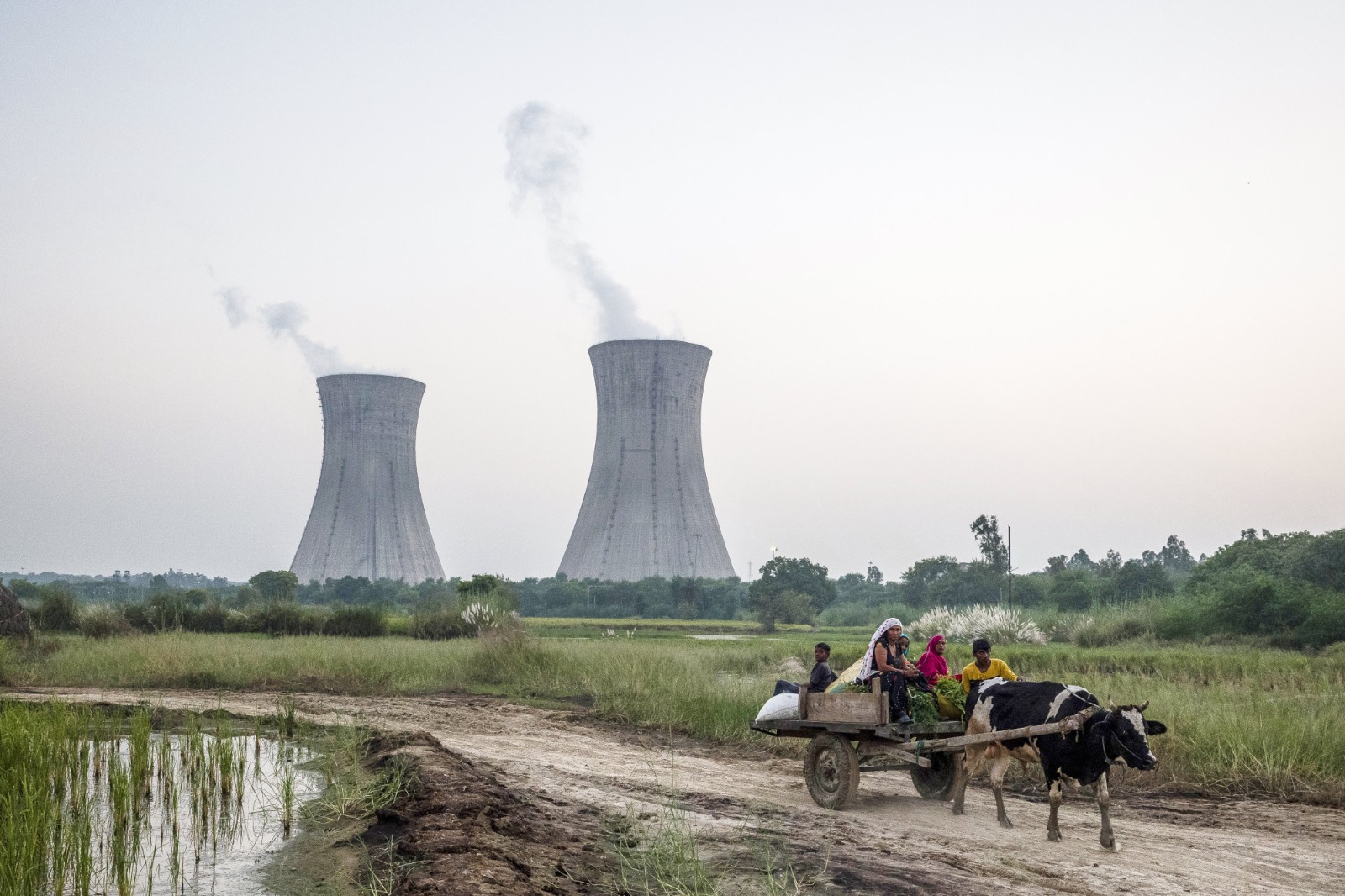
According to a report published by the Centre for Research on Energy and Clean Air (CREA), India could face an estimated 18 terawatt-hour electricity shortfall over the 12 months beginning in July—the largest projected deficit among 110 countries analysed. The report suggests that the gap would most likely be met by increased coal-fired power generation.
The study attributes the projected shortfall to a combination of rising electricity demand and lower renewable energy output. Higher temperatures during a super El Niño are expected to increase air-conditioning use, while weaker wind conditions and reduced hydroelectric generation could limit the availability of renewable power.
India has set a target to reduce coal’s share of electricity generation to 64% by 2027 and to around 50% over the next decade. However, coal continues to account for more than 70% of the country’s power generation, making it the primary source of electricity when renewable output declines.
Despite these challenges, the report notes that renewable energy is already playing a larger role in meeting demand. Between January and May this year, solar power supplied nearly a quarter of India’s daytime peak electricity consumption, helping keep thermal power generation below 2024 levels despite record-breaking heat.
CREA says expanding battery energy storage systems and strengthening grid infrastructure will be critical to sustaining India’s clean energy transition. Improved storage capacity would allow excess solar power generated during the day to be used during evening peak demand, reducing the need for coal-fired generation.
The report highlights how extreme weather events could complicate the country’s energy transition by increasing electricity demand while simultaneously reducing the output of some renewable energy sources.
Source: Bloomberg