




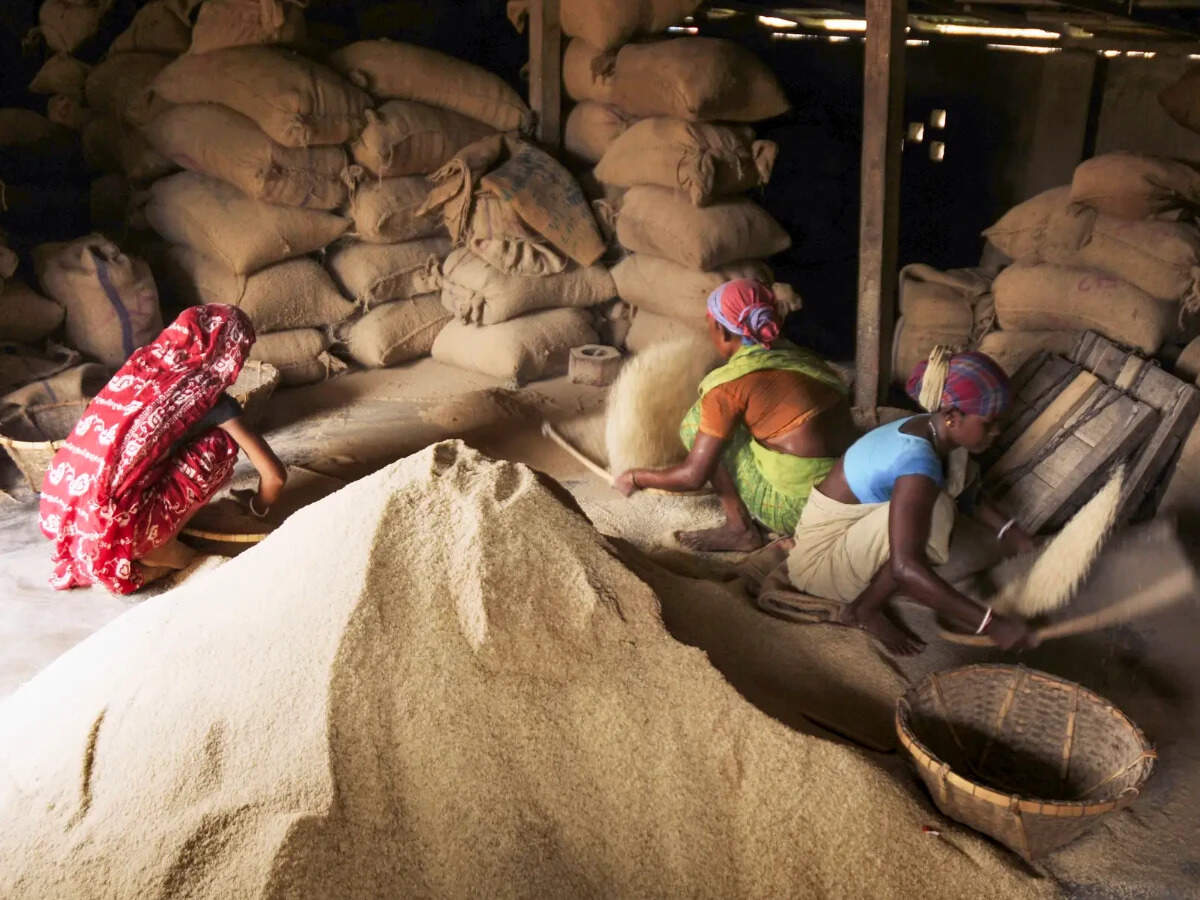
The Food Corporation of India (FCI) has denied reports that 1,160 crore rupees worth of rice was diverted or mishandled in its storage facilities. The denial came after media outlets published investigations suggesting that large quantities of rice had gone missing or been improperly managed across FCI warehouses. FCI, the government agency responsible for procuring and storing foodgrains for India’s public distribution system, called these reports ‘factually incorrect’ but did not provide detailed evidence to support its claim.
The allegations matter because FCI manages rice stocks meant to feed millions of Indians through ration shops and government welfare programs. If large quantities disappear or are diverted to black markets, it directly reduces the amount of subsidized food reaching poor households. The 1,160 crore figure, if accurate, would represent enough rice to supply several states for months. This is not a minor accounting error but a potential system failure affecting food security.
FCI’s denial without accompanying data raises a separate concern: lack of transparency. When a government agency rejects allegations of mismanagement, ordinary Indians have no easy way to verify what actually happened. The agency did not release detailed warehouse audits, inventory records, or independent inspections that would allow journalists or the public to check the facts independently. This pattern, where institutions deny problems without publishing evidence, makes it harder to distinguish between false accusations and genuine cover-ups.
The incident points to a broader issue in India’s food storage system. Multiple investigations over the past decade have uncovered similar losses in different states, sometimes due to poor warehouse conditions, sometimes due to theft or diversion. When rice stored in damp facilities develops mold or weevil damage, it becomes unusable. When guards or officials divert supplies, the system loses track of what happened. Without regular, independent audits published publicly, the true scale of these losses remains hidden.
FCI has not announced any next steps such as releasing detailed audit reports, inviting third-party inspections, or publishing inventory data. Until the agency either provides transparent evidence supporting its denial or permits independent verification of its claims, the credibility gap remains. For Indians who depend on these rations, the question is simple: does the system delivering their food actually work?