




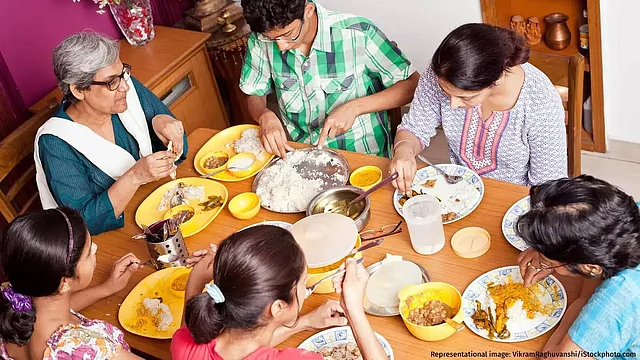
India’s obesity epidemic is accelerating faster than government warnings can address it. According to the National Family Health Survey conducted in 2023-24, 30.7% of Indian women aged 15 to 49 are now overweight or obese, up from roughly 10% in 1998-99. Among men in the same age group, 27.3% now fall into the overweight or obese category, compared to about 9% in 2005-06. The survey classifies anyone with a body mass index of 25 or higher as overweight or obese. In a decade marked by repeated government attention to the issue, these numbers have only worsened. Prime Minister Narendra Modi first mentioned obesity in his Mann Ki Baat radio address in March 2016 and has spoken about it at least 18 times since then, most recently during last year’s Independence Day speech. Yet despite this visibility, the proportion of overweight and obese Indians continues climbing.
What sets India’s obesity pattern apart is not just processed food consumption or lack of exercise, though both play roles. Research suggests the core problem lies in dietary composition: Indians are eating more calories overall, but an increasing share comes from grains like rice, wheat and flour while protein intake remains insufficient. Pulses, dairy, meat and fish that once formed the backbone of Indian meals have become less central in many households. This matters because protein sustains satiety longer than carbohydrates alone. Without adequate protein, people consume larger total food volumes to feel full, driving calorie intake upward.
The weight gain has concentrated in specific populations. Urban areas show faster obesity growth than rural ones, and wealthier households report higher rates than poorer ones. This pattern reveals a particular vulnerability: people with more access to food but lifestyles that have become less physically demanding. Office workers, students in cities and affluent families face this mismatch directly. Young people are particularly affected, carrying obesity into their productive years when health complications emerge.
The public health system faces a mounting pressure. Obesity-related conditions, especially type 2 diabetes and cardiovascular disease, already strain India’s healthcare infrastructure in major cities. As obesity rates rise among younger adults, the burden of managing weight-related complications will intensify across the country. Prevention requires dietary change at scale, which demands sustained messaging and access to affordable protein sources. Without intervention, the next decade will see obesity rates continue their upward trajectory, reshaping disease patterns across Indian society.