




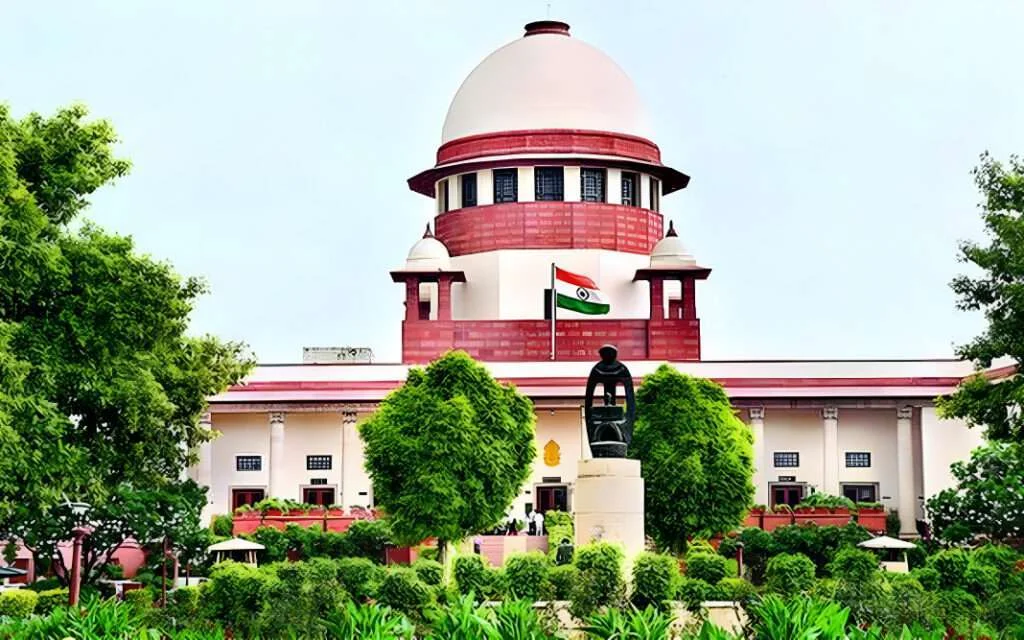
The Supreme Court of India has created four special benches that will work exclusively on clearing the court’s oldest pending cases. Chief Justice of India Surya Kant announced the initiative to the Hindustan Times, describing it as an effort to reaffirm public confidence in the justice delivery system by ensuring that long-delayed cases receive sustained judicial attention.
The move addresses a fundamental problem in Indian courts: massive case backlogs that stretch across decades. The Supreme Court currently has over 73,000 pending cases, with thousands dating back to the 1990s and 2000s. Some of these cases have been waiting 20, 25, even 30 years for resolution. When justice takes this long, it becomes meaningless to those who sought it. Witnesses age or die. Evidence degrades. The people involved move on, but the case remains stuck.
The special benches represent an institutional acknowledgment that age alone does not make a case less important. In fact, older cases often contain more institutional neglect and carry greater damage to public faith. When someone watches their case languish for two decades while newer cases move through, it sends a clear message that the system does not work. The CJI’s decision to create dedicated benches signals that the court wants to change this perception.
Public trust in courts depends partly on visible movement. People need to see that cases progress, that judges are working, that outcomes arrive. Long delays breed cynicism about institutions. They also discourage people from using the legal system when they have disputes, pushing them toward informal or illegal channels instead. By prioritizing old cases, the Supreme Court is attempting to rebuild the belief that courts matter.
However, the creation of these benches is only the starting point. The real test lies in implementation. Whether the new benches can sustain focus on old cases while the court handles its daily influx of new filings remains uncertain. Case backlogs exist because of structural issues: too few judges, too many cases, limited resources. Four benches, though welcome, may not be enough to shift these fundamentals.
The CJI’s move reflects a growing recognition across Indian institutions that public legitimacy depends on demonstrable results. Courts cannot simply declare themselves impartial; they must show it through action. Whether this particular initiative succeeds in clearing historical backlogs or merely creates a symbolic gesture will become clear only when cases actually start resolving.
Source: Mint