




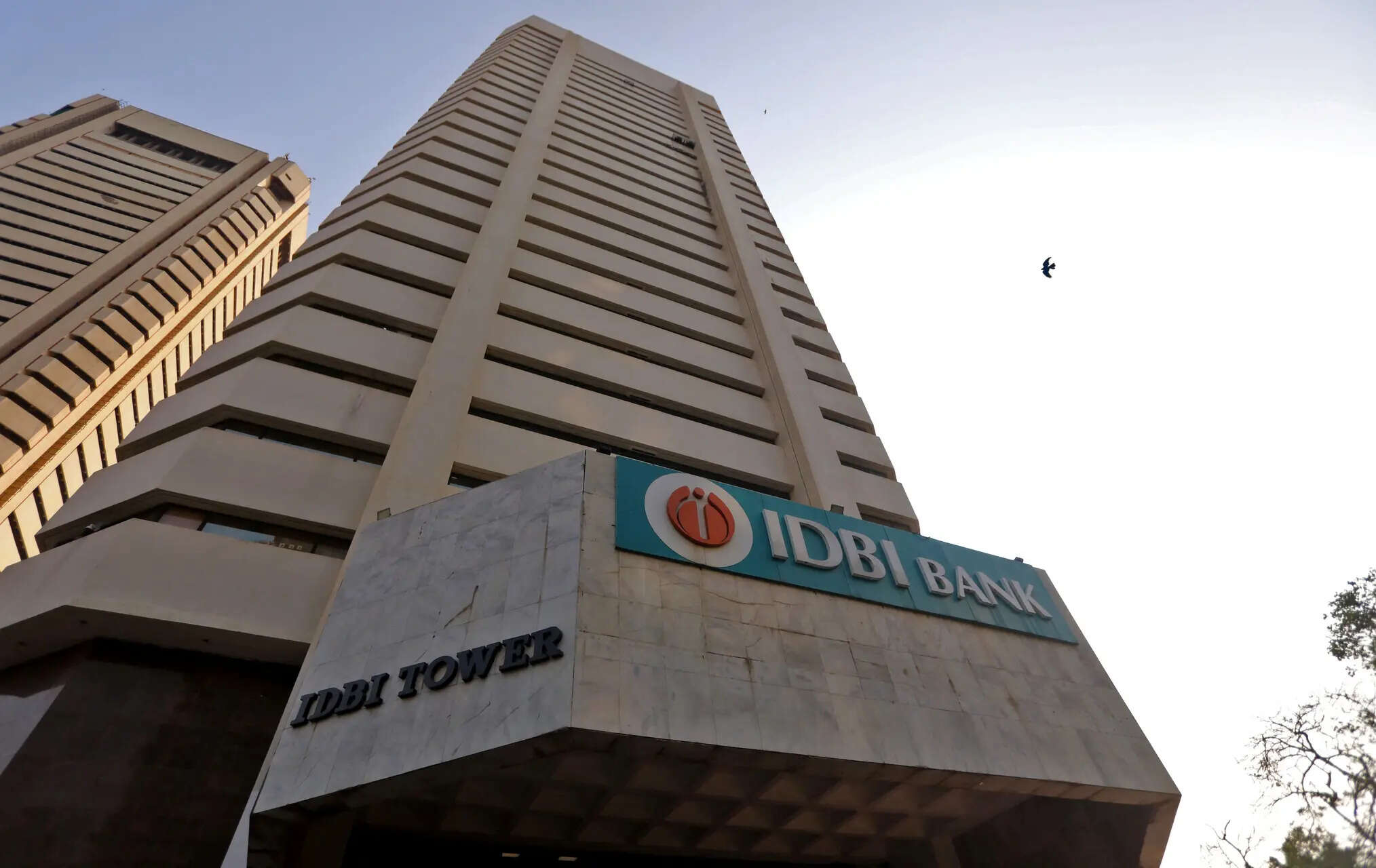
India is on the verge of accepting Fairfax’s offer to acquire a majority stake in IDBI Bank, according to ET Finance. The deal values the bank at Rs 60,000 crore. Fairfax, a Canadian insurance and healthcare company with significant operations in India, will take a 51% stake, while the government retains 10%. The remaining shares stay with Life Insurance Corporation and the public. This represents a major shift: IDBI Bank will no longer be a government-controlled institution.
The decision to sell to Fairfax follows years of deliberation. IDBI Bank has been a persistent drain on government finances. The lender accumulated massive bad debts, with loans given to businesses and individuals who could not repay. This weakness forced the government to inject capital repeatedly, weakening its own balance sheet. Between 2016 and 2021, IDBI Bank reported consecutive losses running into thousands of crores. Even after the government stopped reporting losses officially, the bank’s profitability remained fragile.
Fairfax sees opportunity where the government sees burden. The Canadian group already owns Max Healthcare, Primus Partners insurance, and other healthcare ventures in India. Adding IDBI Bank gives Fairfax access to millions of retail customers, deposit bases, and loan origination channels. For the government, the deal brings immediate liquidity and fulfills its stated policy of exiting unprofitable public sector banks. The offer was “sweetened” through negotiations, suggesting the final price exceeded earlier proposals.
The timing matters. India’s banking landscape has shifted dramatically. Private banks like ICICI and Axis now dominate retail banking, while government banks struggle for market share. IDBI’s technology infrastructure lags competitors. Its branch network, once an advantage, now costs money without generating proportional returns. A change in ownership offers the possibility of modernization, but also carries risks for employees and customers.
For ordinary IDBI Bank customers, the practical impact remains unclear. Fairfax has made assurances about protecting deposit insurance coverage and maintaining branch networks. However, private ownership typically means tighter credit policies, higher fees on accounts, and reduced loan approvals for borrowers with weak credit histories. Bank employees face uncertainty. Past bank takeovers in India have sometimes triggered job cuts and organizational restructuring.
What happens next depends on regulatory approval. The Reserve Bank of India must review the deal and ensure Fairfax meets ownership and governance standards. Once cleared, Fairfax will begin integrating IDBI into its broader financial strategy. The bank’s recovery will take years, not months. Whether Fairfax can reverse IDBI’s decline or simply harvest value remains the open question.
Source: ET Finance