



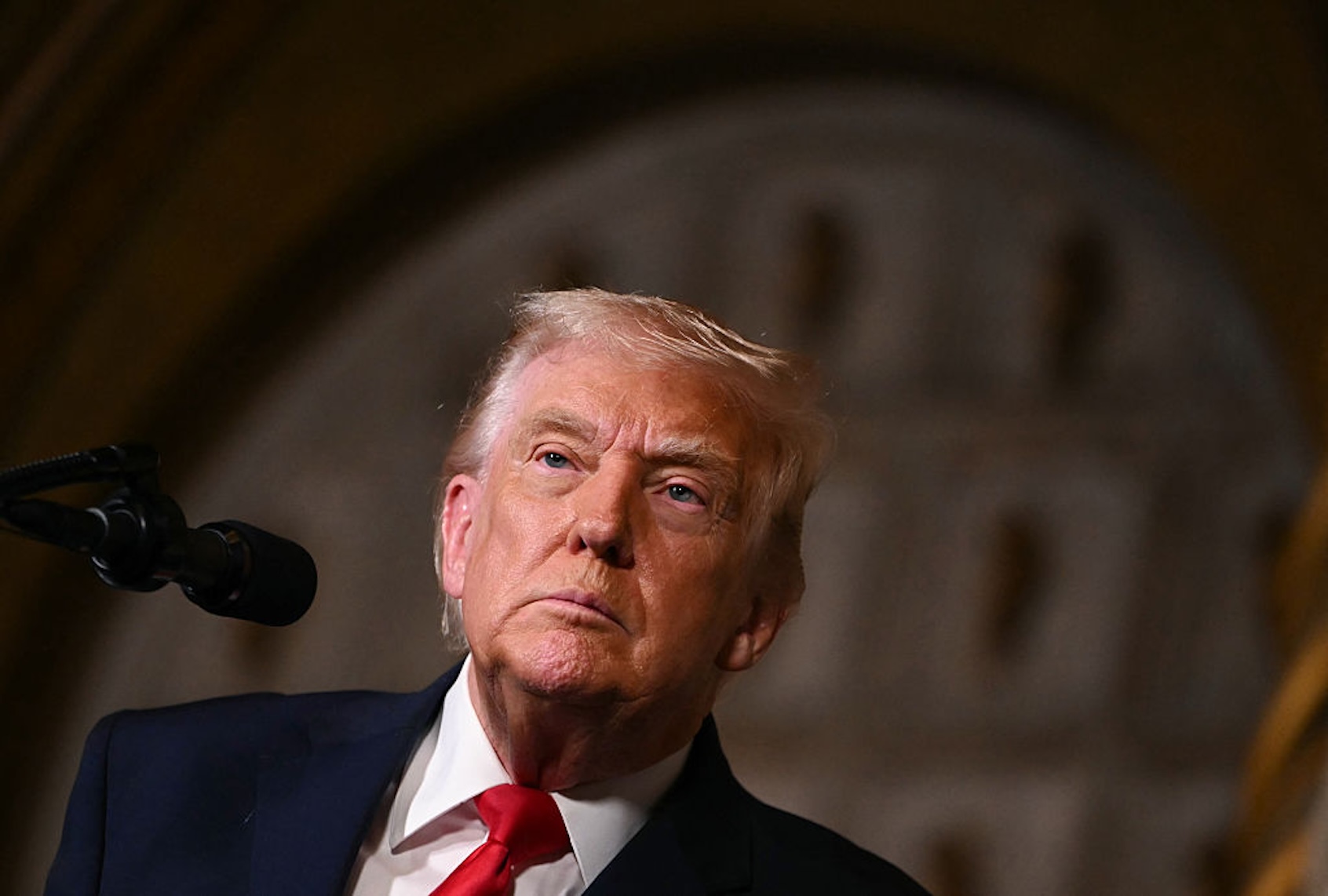
A US federal judge has cancelled a 1.8 billion dollar settlement between Donald Trump and the Internal Revenue Service, ruling that the settlement was reached for improper purposes. The decision removes tax audit immunity that Trump had gained through the settlement and reopens the possibility of future tax investigations into Trump’s finances.
Trump’s legal team filed a lawsuit against the IRS in 2023, claiming the tax agency had treated Trump unfairly. Through settlement negotiations, Trump agreed to pay 1.8 billion dollars to the IRS, and in return, the IRS agreed never to audit Trump again for the rest of his life. This was an extraordinary arrangement, as most Americans do not receive blanket immunity from tax audits.
When the judge examined the case closely, he concluded that Trump’s lawyers had pursued the lawsuit and settlement for reasons that were not genuine. Rather than representing a legitimate dispute over tax treatment, the judge found the suit was brought to achieve immunity from audits, which is an improper use of the court system. This distinction matters because US courts are designed to resolve real legal disputes, not to help individuals obtain special protections from government agencies.
The judge’s decision has two immediate consequences. First, the 1.8 billion dollar settlement is no longer valid, meaning Trump may be required to return some or all of that money to the IRS. Second, Trump no longer has immunity from tax audits. The IRS can now conduct audits of Trump’s tax filings the same way they would with any other person or business.
The judge took the additional step of referring one of Trump’s attorneys to the bar association, the regulatory body that oversees lawyers in America. This referral could trigger disciplinary proceedings against the attorney, potentially resulting in fines or suspension of his law license.
This case illustrates how American courts protect the integrity of the legal system when they determine it is being misused. Settlement agreements that appear to help one party gain improper advantages can be overturned if a judge finds they were pursued in bad faith. Trump’s path to immunity through the courts has been blocked, returning him to the same tax audit exposure that ordinary Americans face.
What happens next depends on whether Trump appeals the judge’s decision to a higher court. An appeal could extend the legal process over months or years.