




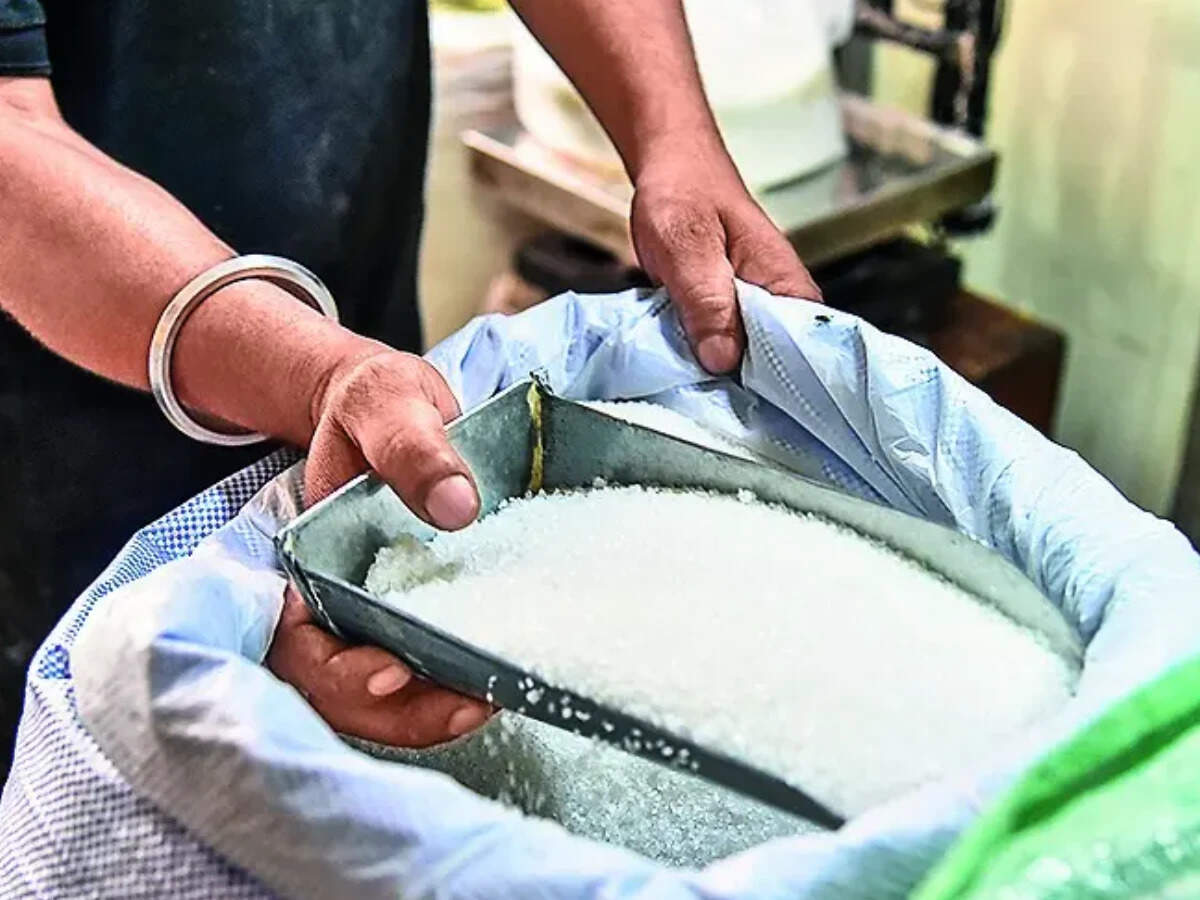
Sugar prices across India have stayed high despite government efforts to bring them down, according to data from the economic sector. The price stability comes even after the government imposed export restrictions and released sugar from strategic reserves into the market over recent months.
Retail sugar prices in major cities remain between 32 and 38 rupees per kilogram, with wholesale rates showing little movement downward. Traders and analysts point to global market conditions and limited domestic supply as reasons prices have not fallen as the government intended. When global sugar prices rise, Indian producers have less incentive to sell locally at lower rates, making it difficult for price controls to work effectively.
The government’s attempts to manage sugar prices reveal a larger problem in India’s agricultural markets. When a single commodity becomes expensive, government intervention like export bans or reserve releases often has limited impact because the underlying supply shortage remains. India produces significant sugar, but export demand from other countries and expectations of price increases lead producers to hold back supplies, keeping domestic prices high.
This situation affects millions of Indian households. Sugar enters everyday foods, tea, sweets, and processed items. When retail prices stay firm, the cost of living rises for families already managing inflation in other essential goods. The middle and lower-income groups feel this pressure most acutely, as food costs take up a larger share of their monthly budgets.
The experience with sugar prices demonstrates why price controls alone rarely solve commodity inflation. Without addressing production, storage, supply chain efficiency, or global market dynamics, government measures function like treating symptoms rather than the underlying disease. The challenge now is whether authorities will shift focus toward longer-term supply improvements or continue with short-term interventions that have shown limited results so far.