




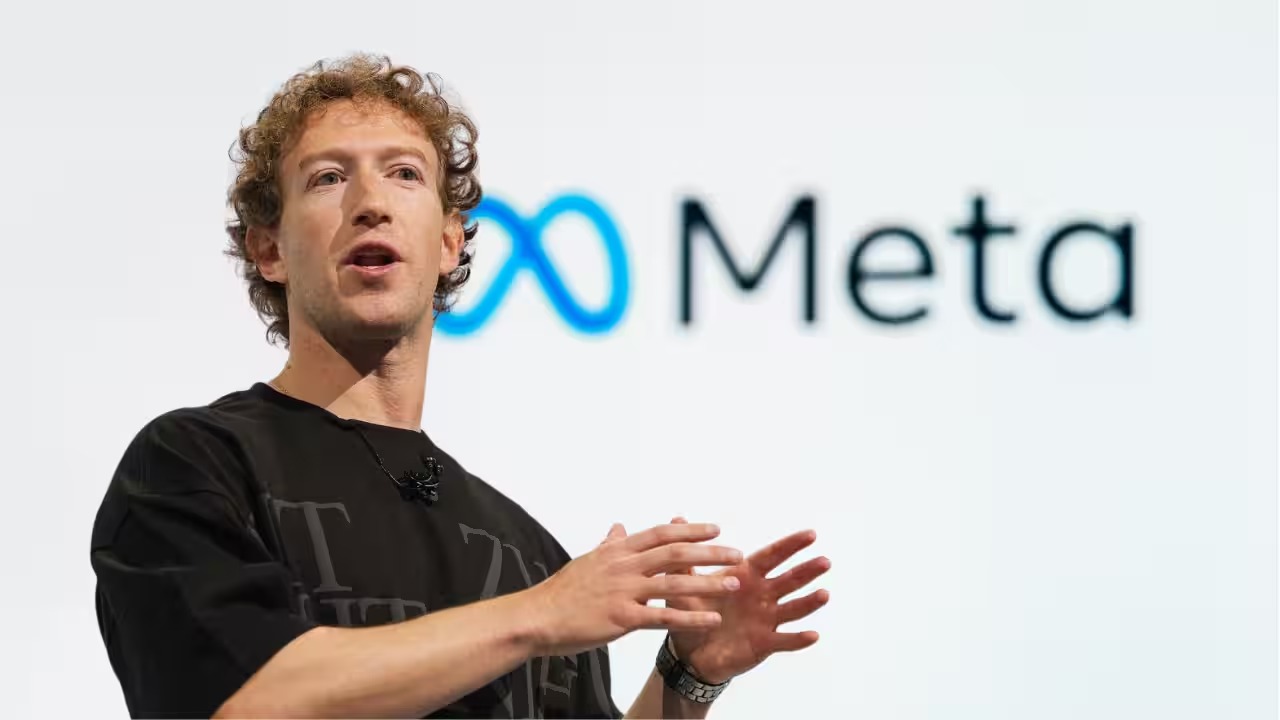
Meta’s aggressive investment in artificial intelligence is reportedly fuelling a growing dispute between CEO Mark Zuckerberg and the company’s board of directors, as concerns mount over spending, cash flow and executive compensation.
According to reporting by The Wall Street Journal, the disagreement has escalated into a confrontation over financial control and governance. Zuckerberg reportedly sought a substantial increase in stock-based compensation, prompting resistance from several board members. A three-member board negotiation team began preparing a contingency plan in early September that reportedly included resigning if negotiations reached an impasse.
The dispute comes as Meta faces financial pressure from its expanding AI ambitions. The company’s shares have fallen more than 13% over the past month, while its free cash flow reportedly turned negative by $2.12 billion in the third quarter of 2026. According to the report, this marked the first negative quarterly free cash flow for Meta since 2012.
Investors are increasingly questioning whether the scale of AI expenditure will generate sufficient returns. Robert Pavlik, a senior portfolio manager at Dakota Wealth, told Reuters that rising spending without adequate revenue generation was raising concerns about whether the investment was becoming a financial burden.
Zuckerberg has previously defended the strategy of investing aggressively in AI infrastructure. During an investor meeting in October 2025, he reportedly argued that building computing capacity in advance would prepare Meta for optimistic growth scenarios, even as concerns about an AI investment bubble persisted.
The company’s AI ambitions extend across infrastructure, automation and new products. However, questions surrounding product performance, safety testing and the commercial returns from these investments have added to scrutiny of its strategy.
The boardroom disagreement highlights a broader challenge facing major technology companies: balancing the race to build advanced AI systems against the financial expectations of shareholders.
For Meta, the outcome could influence executive compensation, corporate governance and the pace at which it commits resources to AI development.
Source: Futurism