




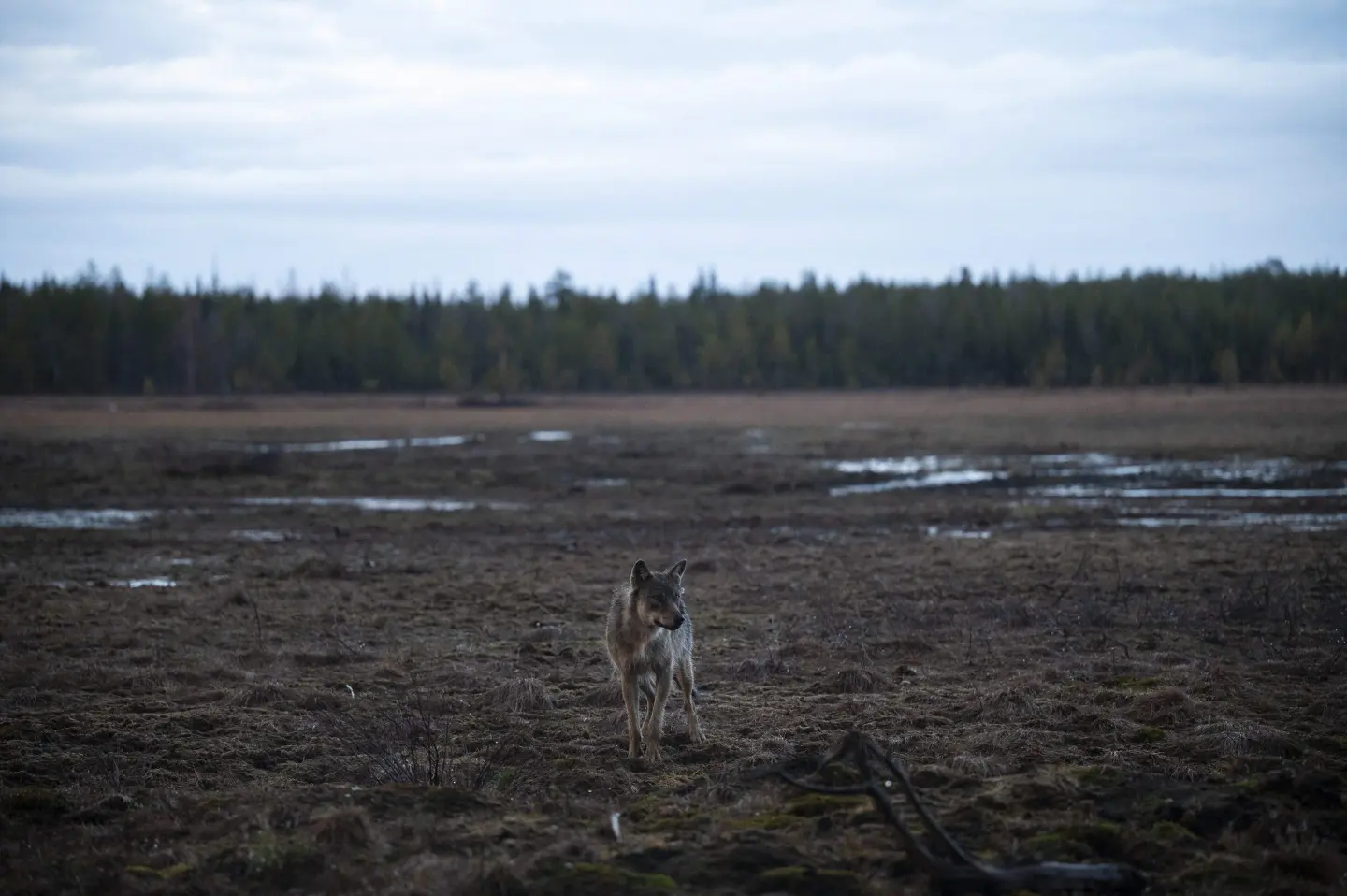
Google’s data centre expansion in Finland has drawn criticism after authorities ordered the suspension of illegal forest clearing across approximately 1,300 acres, with residents reporting that displaced wildlife, including wolves, has begun entering nearby villages.
In early October, Finnish authorities directed Tuike Finland Oy, Google’s affiliated data centre developer, to immediately halt the unauthorised cutting of forest. The company was also given a week to prepare a report explaining its actions, intensifying concerns about the environmental costs of Europe’s expanding data centre infrastructure.
Reporting by The Guardian from the affected region highlighted the consequences for local wildlife. The clearing of boreal forest near Otanmäki has left large areas of land reduced to mud and tree stumps, disrupting habitats that previously supported a range of animals.
Residents say the loss of wildlife and prey has pushed wolves towards inhabited areas in search of food. Anni Ranta, a 53-year-old resident whose family has lived in the region for generations, told The Guardian that wolves had entered the village after animals fled the forest. She said the developments had made her consider leaving Otanmäki.
Residents have also questioned the pace and manner of data centre construction. Antti Jakonen, from Muhos, criticised the approach, describing it as poorly planned and lacking consideration for local conditions.
The controversy reflects a broader debate over the environmental footprint of artificial intelligence infrastructure. Data centres require substantial land, electricity and cooling resources to support computing workloads, including AI model development and deployment.
Similar concerns have emerged elsewhere in the United States. The report cites threats to endangered chestnut trees in West Virginia, wetland development linked to a Google data centre in Indiana, and a $1 million fine imposed on a data centre operator in southern New Jersey after inspectors discovered 62 unauthorised gas generators.
As technology companies expand computing capacity, conflicts between infrastructure development, local communities and environmental protection are becoming increasingly prominent.
Source: Futurism