




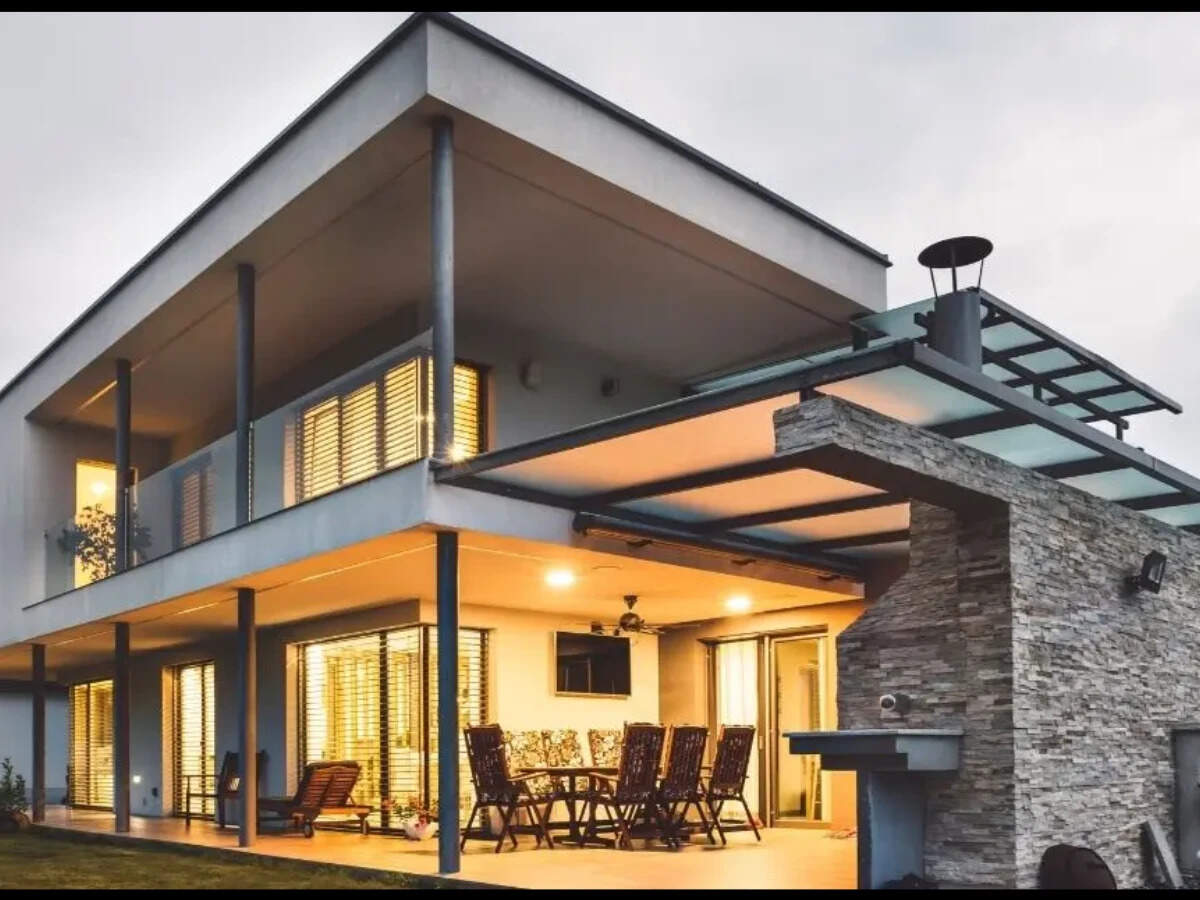
Lutyens Delhi, home to India’s most powerful and wealthy residents, is caught in an unusual market split. Monthly rents for bungalows have climbed to ₹20 lakh, yet the property sales market has nearly dried up. This gap between booming rents and absent buyers tells a story about how India’s real estate preferences are shifting away from even the most coveted addresses.
Lutyens Delhi refers to the tree-lined residential area near India Gate and Parliament, built during the British era. The neighbourhood is defined by large individual bungalows on sprawling plots, not apartment buildings. For generations, owning a Lutyens bungalow signalled that you had arrived at the very top of Indian society. Ambassadors, senior government officials, and business tycoons lived here.
The rental spike is real and significant. Landlords can charge ₹20 lakh monthly because temporary occupants with deep pockets need housing for short periods. Diplomats, executives on corporate postings, and wealthy families in transition pay premium rents because they want immediate access to an address that carries prestige. But these are renters, not buyers.
The absence of sales is the telling detail. When a real estate market shows high rents but low sales, it typically means permanent demand is weak. Buyers vote with their money over long time horizons. They are choosing to go elsewhere. Newer luxury developments in South Delhi and Gurgaon offer modern homes, better security infrastructure, proximity to office districts, and fewer complications. Many Lutyens bungalows require expensive upkeep, involve complex legal processes for sale, and carry heavy property taxes. For a buyer planning to hold property for decades, newer alternatives make financial sense.
This matters beyond just wealthy residents. It reveals how even India’s most exclusive real estate markets are vulnerable to changing preferences. Prestige and heritage alone cannot sustain demand if the practical and financial benefits no longer align. The shift also suggests that India’s wealth is diversifying across multiple neighbourhoods and cities rather than concentrating in historically elite addresses.
Lutyens Delhi’s rental boom is likely to persist as long as temporary, wealthy occupants exist. But without sales traction from permanent buyers, the neighbourhood’s long-term trajectory as an investment destination may be weakening. In real estate markets, falling sales volume despite high rents often precedes broader price corrections.
Source: ET Finance