




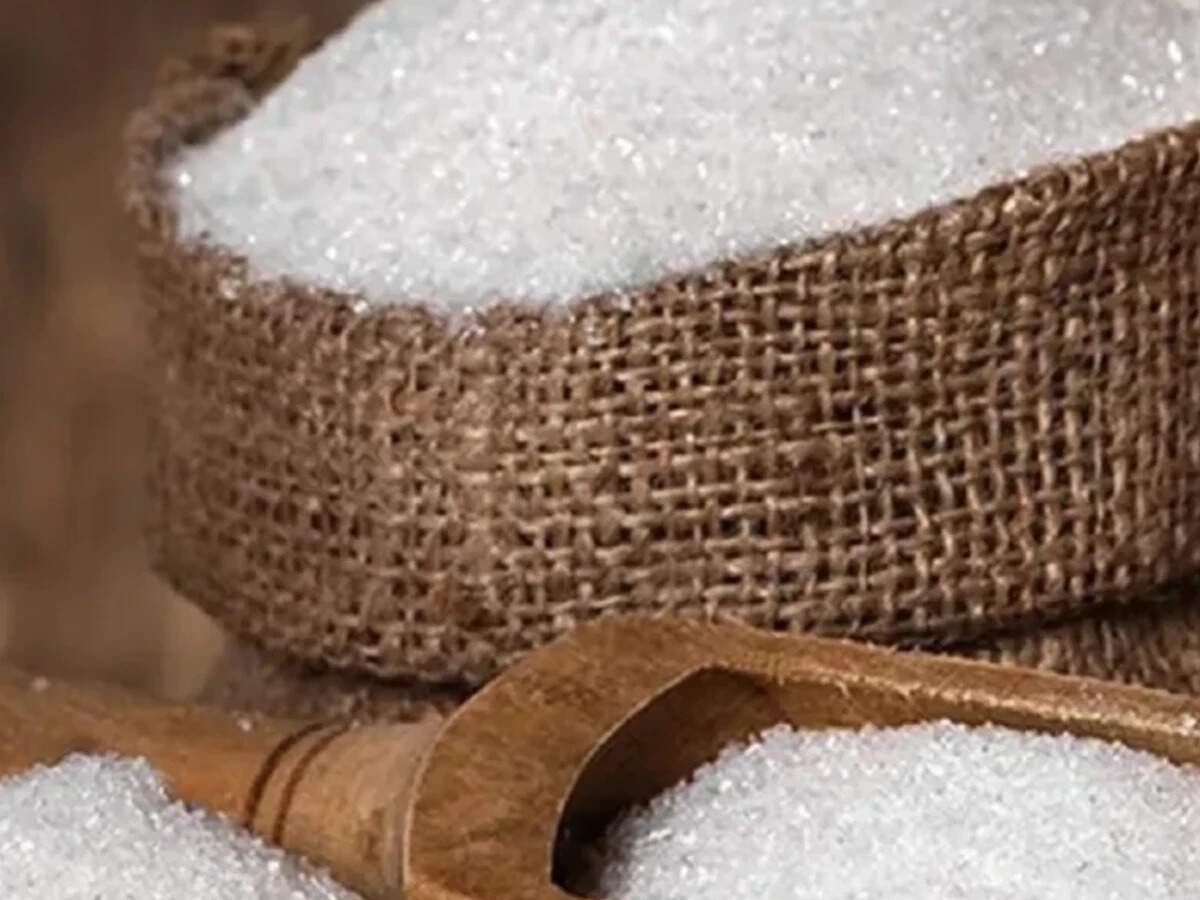
India’s government has eased rules for importing raw sugar to counter hoarding by traders and stabilize domestic prices, according to reporting from ET Economy. The move comes as sugar prices have climbed sharply due to stockpiling by merchants who hold back supplies hoping prices will rise further, reducing what consumers can buy in open markets.
Hoarders deliberately restrict the amount of sugar available for sale, which creates artificial scarcity and pushes prices up. By allowing cheaper raw sugar imports with lower tariffs and fewer approvals needed, the government aims to increase overall supply and undercut the economics of hoarding. When imported sugar becomes cheaper than stored domestic supplies, traders have incentive to release their stockpiles or lose profit margins to imports.
India is one of the world’s largest sugar producers, but domestic output alone cannot always match demand during shortages. Easing import rules gives traders an economic reason to bring in cheaper foreign sugar rather than hold Indian sugar in warehouses. This is a common policy tool during food price crises in Indian commodity markets.
Sugar prices directly affect ordinary households because it is a staple ingredient in tea, coffee, sweets, and cooking across India. Price spikes hit lower-income families hardest because they spend larger shares of their budget on food items. Sudden inflation in sugar creates ripple effects through the entire food supply chain, affecting purchasing power for families already managing tight finances.
Hoarding in Indian markets typically happens across many small storage facilities and traders, making it difficult to punish legally or monitor effectively. Raising import supply puts pressure on hoarded supplies without requiring enforcement action against individual merchants. Higher import volumes force prices down, which makes holding supplies less profitable.
The government has used import policy to counter hoarding in earlier food crises. During previous price spikes in pulses, rice, and other essentials, authorities have temporarily reduced import duties or removed import quotas to increase supply. This approach works best when imports arrive quickly enough to ease immediate price pressure and when price competition actually forces hoarded goods into markets.
Success depends on how fast imported sugar reaches India and whether hoarded domestic supplies are eventually released as import volumes increase. If imports remain slow or hoarding continues despite cheaper alternatives available, prices may not fall as intended. The policy is a supply-side tool that works best when combined with transparency about available stock levels and action against traders who abuse market position illegally.
Source: ET Economy