



Skyroot Aerospace is set to attempt India’s first privately developed orbital launch on July 18 with Mission Aagaman, a milestone that could reshape the country’s commercial space industry.
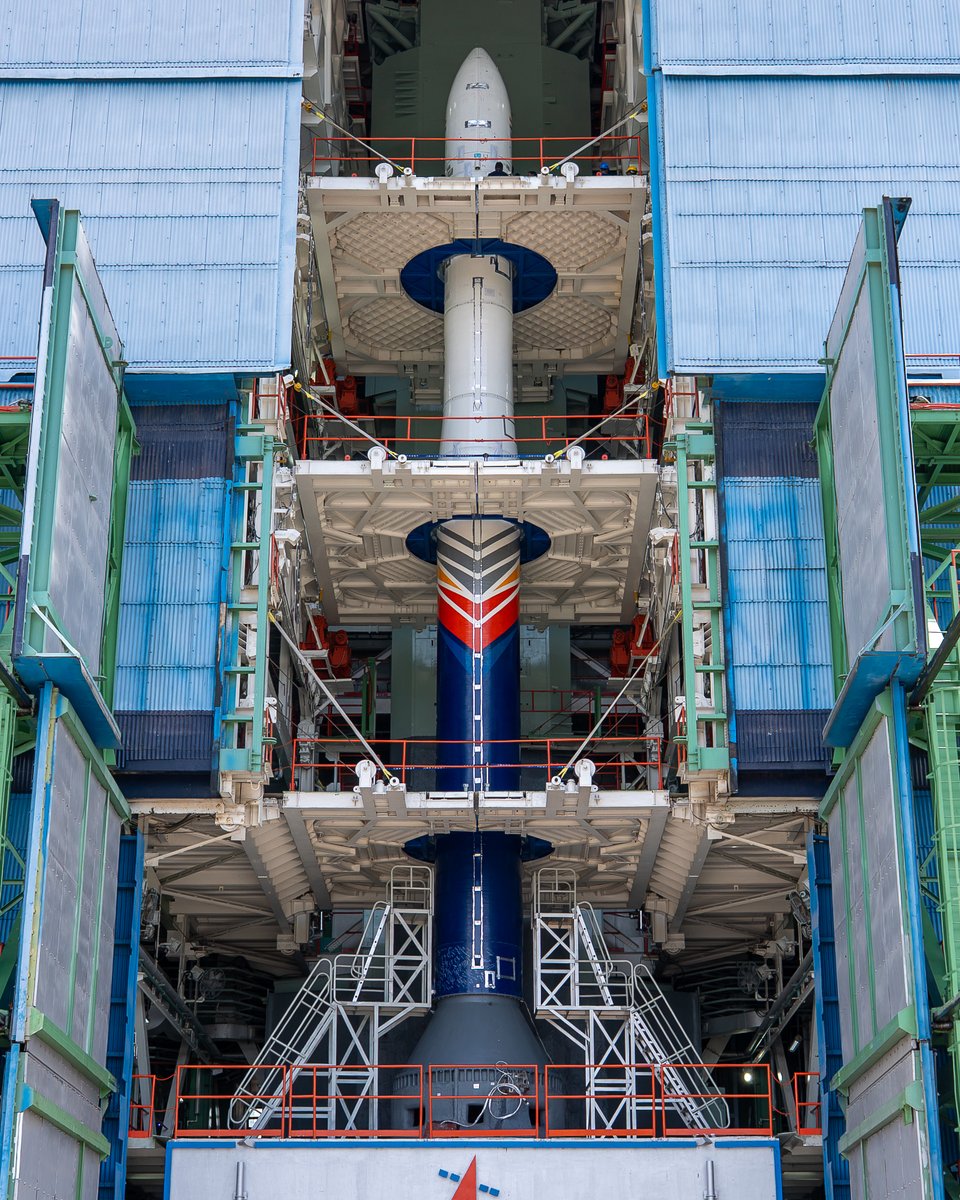
The mission will see the Hyderabad-based space technology startup launch Vikram-1, a four-stage orbital launch vehicle, from the Satish Dhawan Space Centre in Sriharikota. If successful, it will become the first Indian private rocket to place payloads into orbit, representing a significant step for the country’s rapidly expanding private space ecosystem.
Vikram-1 stands approximately 20 metres tall and is capable of carrying satellites weighing up to 350 kilograms into low Earth orbit. The rocket uses solid propulsion for its first three stages and a liquid-powered fourth stage that enables precise orbital insertion. It also incorporates carbon composite structures, 3D-printed engines and high-thrust solid rocket boosters developed in India.
Mission Aagaman will carry multiple technology demonstration payloads from Indian and international customers, including Grahaa Space, Cosmoserve, DCubed and Skyroot’s in-house SCOPE payload. The rocket will also transport Cosmic Bloom, a micro-art payload created by Cosmos Diamonds.
According to Skyroot, the primary objective of the mission is to validate Vikram-1’s performance under actual flight conditions. Engineers will use flight data to evaluate propulsion systems, vehicle stability, navigation, stage separation and orbital insertion capabilities before moving towards regular commercial operations.
The launch follows Skyroot’s successful Vikram-S mission in November 2022, which became the first privately developed Indian rocket to reach space on a suborbital flight. Since India’s space sector was opened to private participation, companies have increasingly focused on developing indigenous launch vehicles, satellite technologies and space services.
A successful Vikram-1 mission would allow Skyroot to offer dedicated launch services for small satellites, enabling customers to deploy spacecraft into specific orbits instead of sharing rides on larger launch vehicles. As demand for small satellite launches continues to grow globally, the mission could position India as a stronger player in the commercial launch market and mark an important milestone in the evolution of the country’s private space industry.
Source : Business Standard