



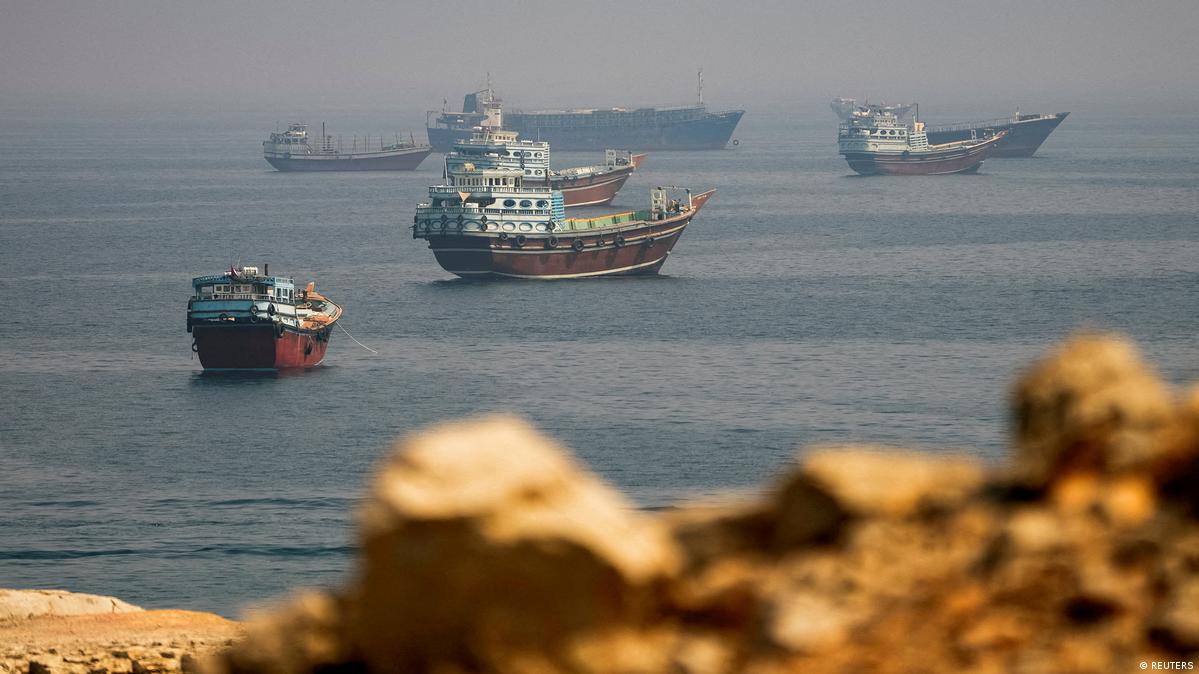
Iran has rejected the United States’ response to its seven conditions for reopening the Strait of Hormuz, calling it insufficient. According to Iranian state media, Iran’s security chief said Washington had accepted some conditions but left others unclear, and that Tehran would not reopen the waterway or negotiate further until all demands are met.
The strait carried roughly a fifth of the world’s oil and liquefied natural gas supplies before the conflict began in late February with US and Israeli strikes on Iran. The US response was relayed through Qatari intermediaries, who have been mediating between the two sides. According to Reuters, the core disagreement is not over the plan’s components but over the sequence in which steps should be implemented.
Tehran has also pushed back against suggestions that it is ready to negotiate its nuclear programme as part of the current effort. Iran’s foreign ministry said the US proposals largely repeated Washington’s earlier positions on the nuclear issue, and that Tehran’s immediate focus remains the strait. Iran has denied offering to allow UN inspections in exchange for sanctions relief.
Meanwhile, Trump said at a rally in Tennessee that the conflict could end quickly, while warning that Iran might escalate before the November 3 midterm elections. He also said the US was considering joining Saudi Arabia’s strikes against Yemen’s Houthi movement after airport attacks in Riyadh that reportedly killed 13 people and wounded over 300.
Iran’s foreign minister warned that Tehran remains prepared for military confrontation if diplomacy fails, and the Iranian military said it would increase the range of its missiles. The standoff now extends well beyond the strait, with multiple fronts and no clear path to resolution.
Source: India Today