



Team India may not need a new head coach. It may need a new coaching structure.
A decade ago, one coach managing every format made perfect sense. Today, international cricket barely stops. India moves from Test series to white-ball tours, overseas assignments to ICC tournaments, often with very little time in between.
The workload has increased. The formats have become more specialised. As a result, one question is becoming increasingly difficult to ignore: can one head coach still do it all?
Preparing for a Test series is very different from preparing for a T20 tournament.
Test cricket revolves around workload management, long-term planning and adapting over five days. White-ball cricket demands tactical flexibility, match-up planning and quick decision-making. As the demands of each format continue to grow, several cricket boards have concluded that one coaching group may no longer be enough.
England is the latest example. The ECB recently appointed Stephen Fleming as the men’s Test head coach, while Brendon McCullum continues to oversee the white-ball teams. It reflects a growing preference for specialist coaching rather than expecting one person to manage every format.
Why is this conversation happening in India now?
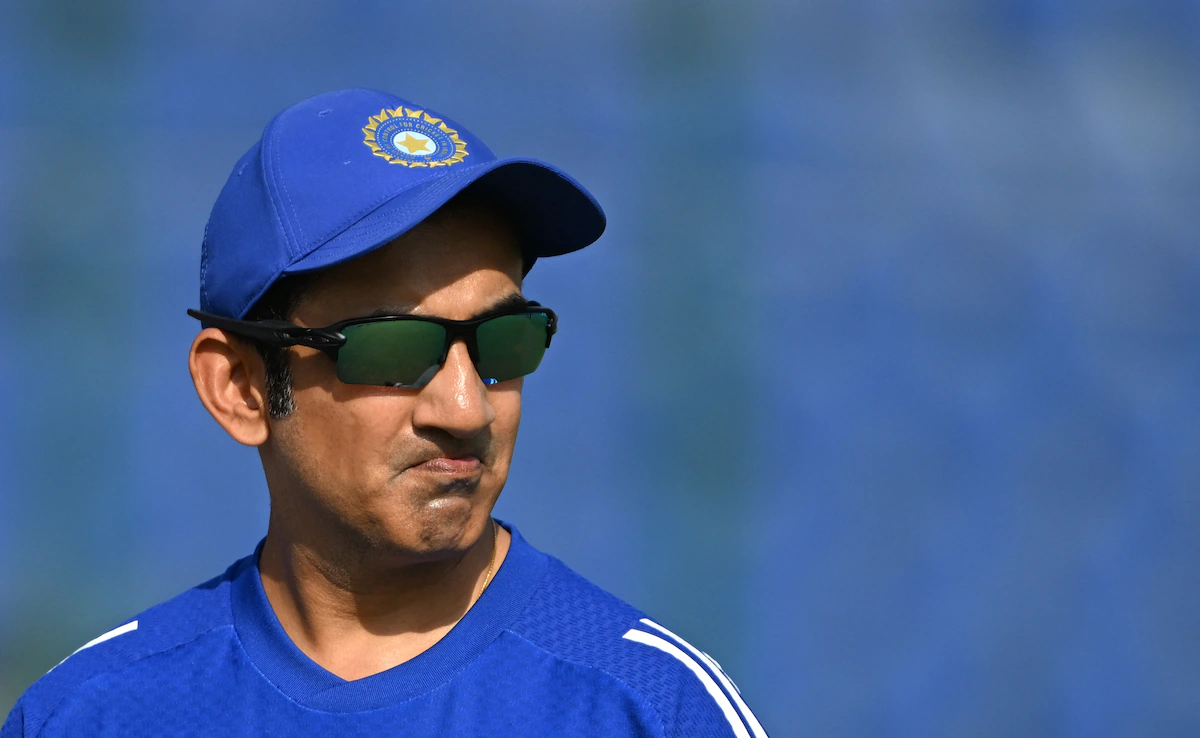
Gautam Gambhir’s tenure has highlighted how differently India’s teams have fared across formats.
The white-ball sides have delivered ICC success, while the Test team has struggled for consistency, beginning with a 3-0 home whitewash against New Zealand, followed by the loss of the Border-Gavaskar Trophy after a decade, a hard-fought 2-2 draw in England and, most recently, a 2-0 home series defeat to South Africa.
Those results alone do not make the case for separate coaches, but they have reignited the debate around whether India’s coaching structure is equipped for the demands of modern cricket.
The idea of shared coaching responsibilities is not entirely new either. During the recent T20I series in Zimbabwe, VVS Laxman stepped in as head coach while Gautam Gambhir and the regular coaching staff were given a break. Although it was a temporary arrangement rather than a structural change, it showed that India can successfully operate with different coaching groups when required.
A split coaching model would allow each format to receive undivided attention throughout the year. Test planning would not have to compete with an upcoming T20 series, while white-ball preparations could continue uninterrupted during long overseas Test tours.
Whether India eventually adopts separate head coaches remains uncertain. But as the international calendar becomes increasingly crowded, the discussion is likely to grow louder. The question is no longer just about who coaches India. It is whether one coach can realistically meet the demands of all three formats.