




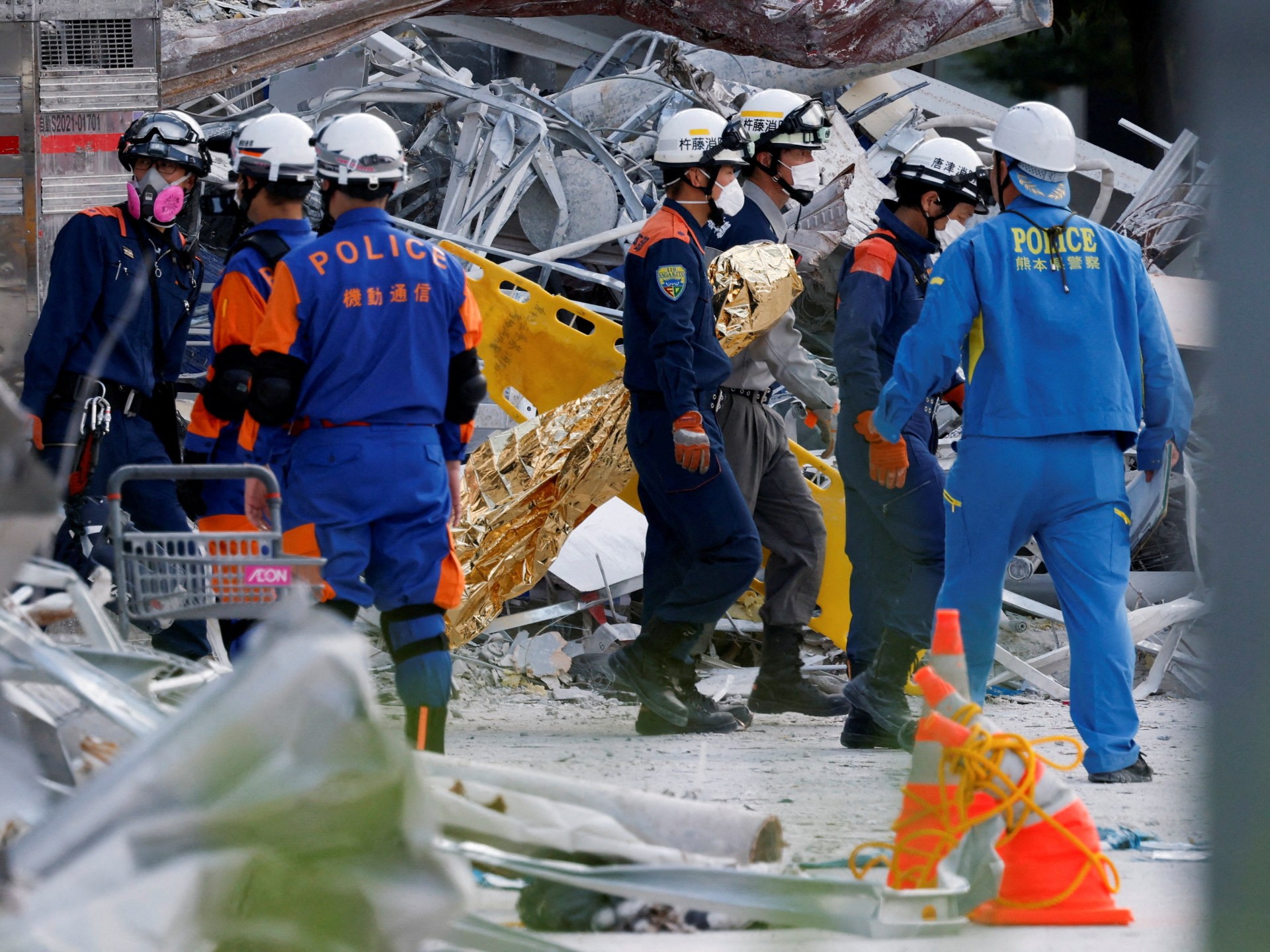
A magnitude 7.1 earthquake has struck Japan, killing at least 34 people and leaving six others seriously injured, according to Al Jazeera. The quake caused significant damage across multiple regions, triggering search and rescue operations that are still underway. Emergency response teams are working to locate survivors in collapsed structures and clear debris from major roads and residential areas. Local authorities have issued multiple aftershock warnings as the disaster continues to unfold.
Japan is one of the world’s most earthquake-prone countries because it sits on the Pacific Ring of Fire, where approximately 90 percent of global earthquakes occur. This geographic reality has shaped how the country prepares for seismic events. Over the past several decades, Japan has invested heavily in earthquake-resistant building codes, advanced early warning systems, and public education about disaster preparedness. Buildings in Japan are designed with flexible structures and shock absorbers to minimize damage during earthquakes. Despite these measures, the raw force of a 7.1 magnitude quake can still overwhelm even sophisticated infrastructure and cause widespread casualties and destruction.
The death toll may rise further as rescue operations continue and damage assessments are completed across affected areas. Rescue workers are using trained dogs, thermal imaging equipment, and acoustic sensors to locate people trapped under rubble. The Japanese government has deployed self-defense forces to support local emergency services. Emergency shelters have been established for displaced families, and utility companies are working to restore power and water supplies to affected communities. Hospitals are treating the injured and preparing for potential additional casualties.
This earthquake underscores the reality that natural disasters, even in highly prepared nations, can still cause significant loss of life and destruction. The scale of a 7.1 magnitude quake is powerful enough to damage reinforced structures and disrupt essential services across large areas. Aftershock warnings mean residents face days of uncertainty and potential additional threats. The disaster response will likely take weeks or months, as communities work to clear debris, repair infrastructure, and support affected families. Japan’s response protocols are among the world’s most advanced, yet they cannot prevent all casualties or damage when earthquakes of this magnitude strike populated areas.