



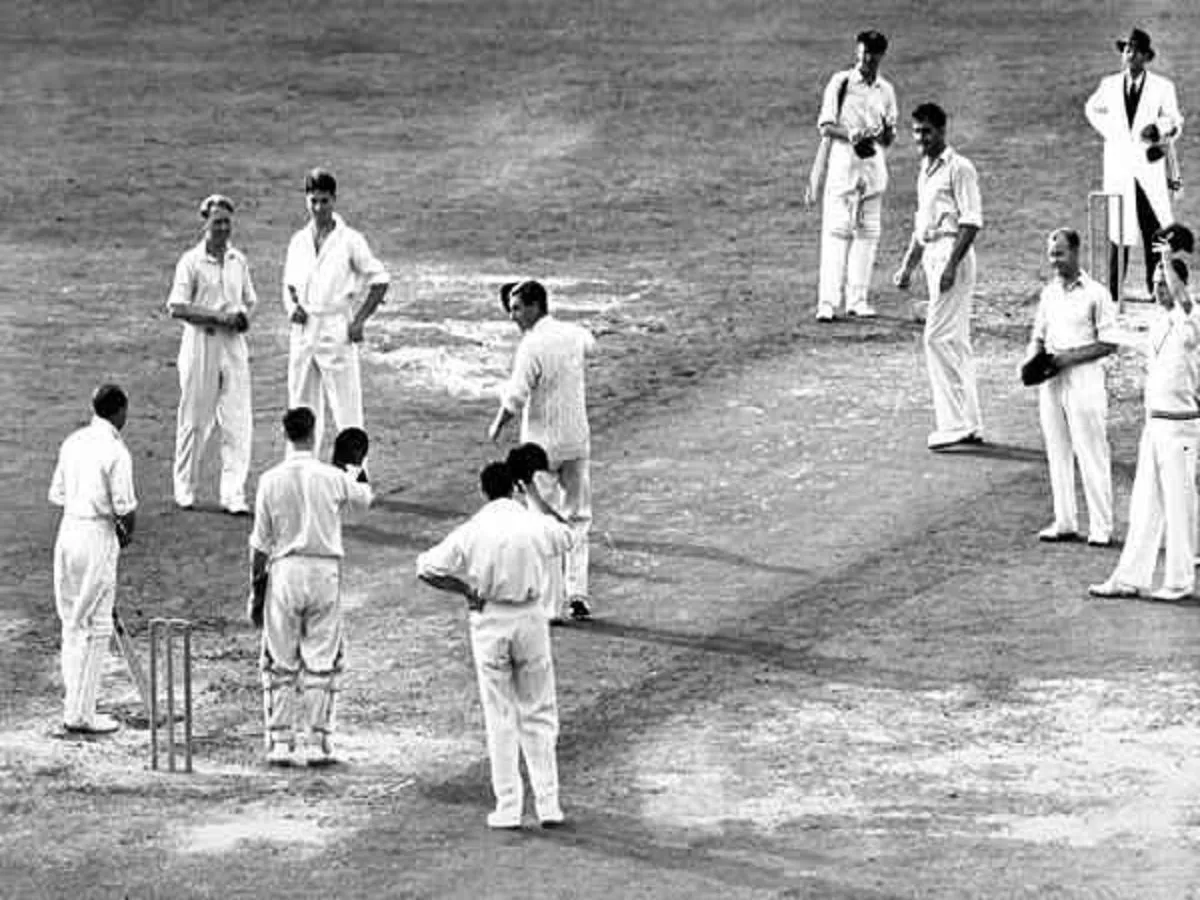
Test cricket has witnessed countless unforgettable matches, but none lasted as long as the extraordinary contest between England and South Africa in Durban in March 1939. Spanning 12 calendar days, including two rest days, it remains the longest Test match ever played and the final Timeless Test in cricket history.
Unlike modern Tests, there was no five-day limit. A Timeless Test was designed to continue until one team won, regardless of how many days it took. The format was meant to guarantee a result, but the Durban Test ultimately proved why that idea was not sustainable.
How the match unfolded
The fifth and final Test of the series began on March 3, 1939, with South Africa posting a formidable 530 in their first innings. England replied with 316, conceding a substantial first-innings lead.
South Africa then piled on another 481 in their second innings, setting England a daunting target of 696, which would have been the highest successful run chase in first-class cricket at the time.
Instead of folding under pressure, England produced one of the greatest batting efforts in Test history. Led by centuries from Wally Hammond and Paul Gibb, they reached 654 for 5, leaving them just 42 runs away from a remarkable victory with five wickets still in hand.
England was firmly in control and appeared destined to complete one of cricket’s greatest comebacks.
When travel decided the result
The match, however, never reached its natural conclusion.
England’s players had to catch a mail ship back home to avoid missing the start of the English domestic season. In 1939, commercial air travel was not an option, and missing the scheduled ship would have meant remaining in South Africa for several more weeks.
With no practical alternative, both teams agreed to end the match. Despite England standing on the brink of a record-breaking chase, the contest was officially declared a draw.
The match that ended Timeless Tests
The remarkable finish exposed the limitations of Timeless Tests in an era when international schedules were becoming increasingly demanding.
While the format guaranteed that weather would not decide matches, it offered no solution when travel and logistics intervened. The Durban Test match convinced administrators that unlimited-duration Tests were no longer practical, paving the way for fixed-duration matches.
Nearly nine decades later, the 1939 Durban Test remains a unique chapter in cricket history. It is remembered not only as the longest Test ever played, but also as the match that brought an end to Timeless Tests and helped shape the five-day format that continues to define the game today.