



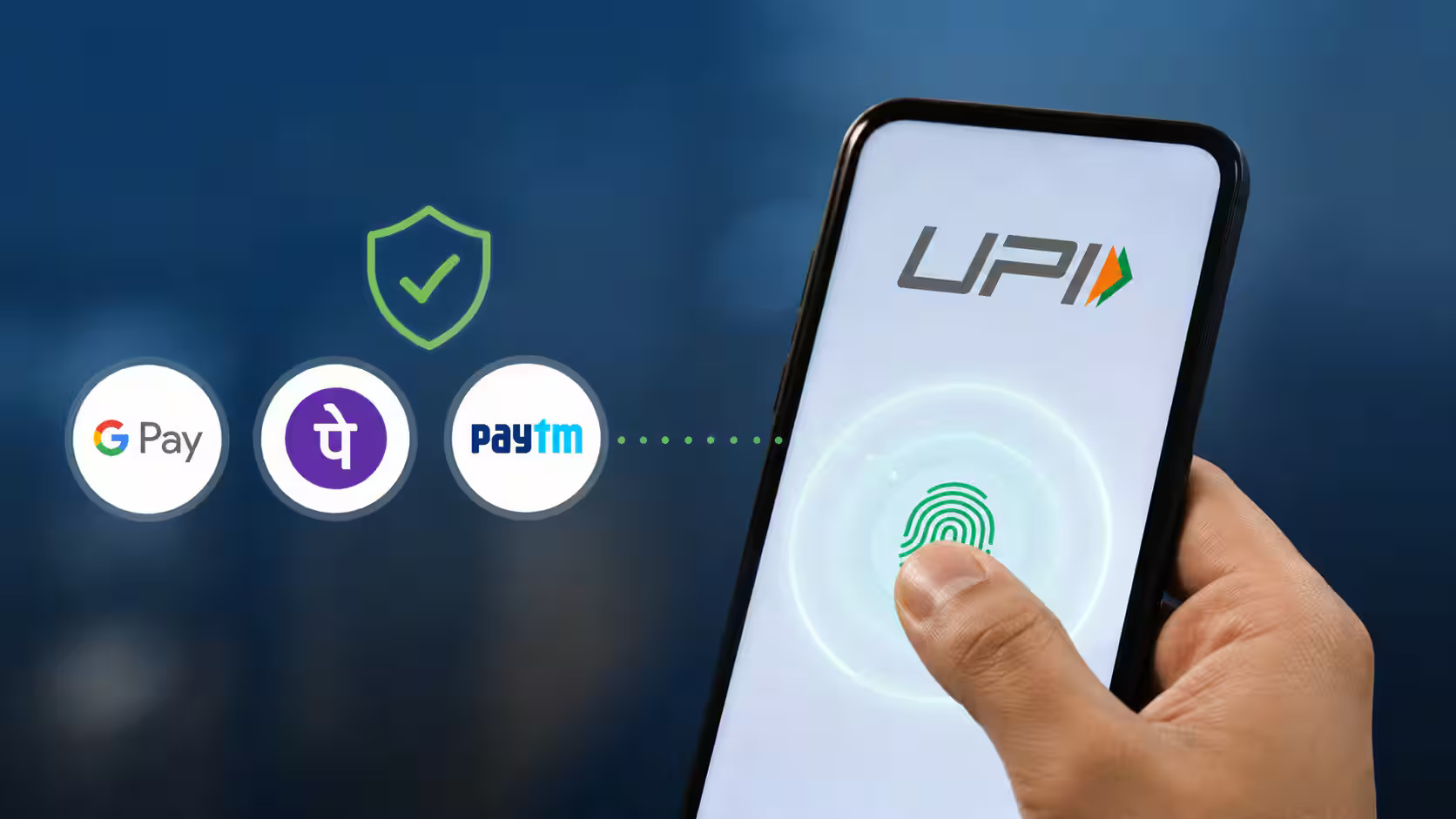
Several smaller UPI payment apps have asked the National Payments Corporation of India (NPCI) to hold wider discussions before rolling out UPI Meta, a new payment feature that could change how people pay online.
UPI Meta is designed to make digital payments quicker. Instead of opening a UPI app like PhonePe or Google Pay every time you make a purchase on platforms such as Amazon, Swiggy or Blinkit, you would be able to complete the payment directly on the merchant’s app using your UPI PIN or biometric authentication.
NPCI plans to launch the feature later this year.
However, some payment apps believe the change could make it even harder for smaller players to compete.
Today, customers choose which UPI app they want to use every time they make a payment. Under the proposed system, users would select a preferred UPI app just once while setting up the feature. That app would then become the default option for future transactions.
Smaller UPI apps argue that most people rarely change default settings once they are set. Since PhonePe and Google Pay already dominate the UPI market, they fear the new system could strengthen the position of these larger apps and make it more difficult for others to attract users.
The companies have also questioned whether the feature solves a real problem. They say UPI payments are already quick and convenient, unlike card payments where users often have to enter card details repeatedly. According to them, there is no evidence that the current payment process causes significant customer drop-offs or failed transactions.
The companies have therefore urged NPCI to consult all stakeholders before implementing UPI Meta and study its impact on competition within the digital payments ecosystem.
While the proposed feature aims to make payments more seamless, the debate has now shifted beyond convenience. It has raised a broader question about whether a small change in the payment process could unintentionally make India’s UPI market even more concentrated among a handful of dominant apps.