



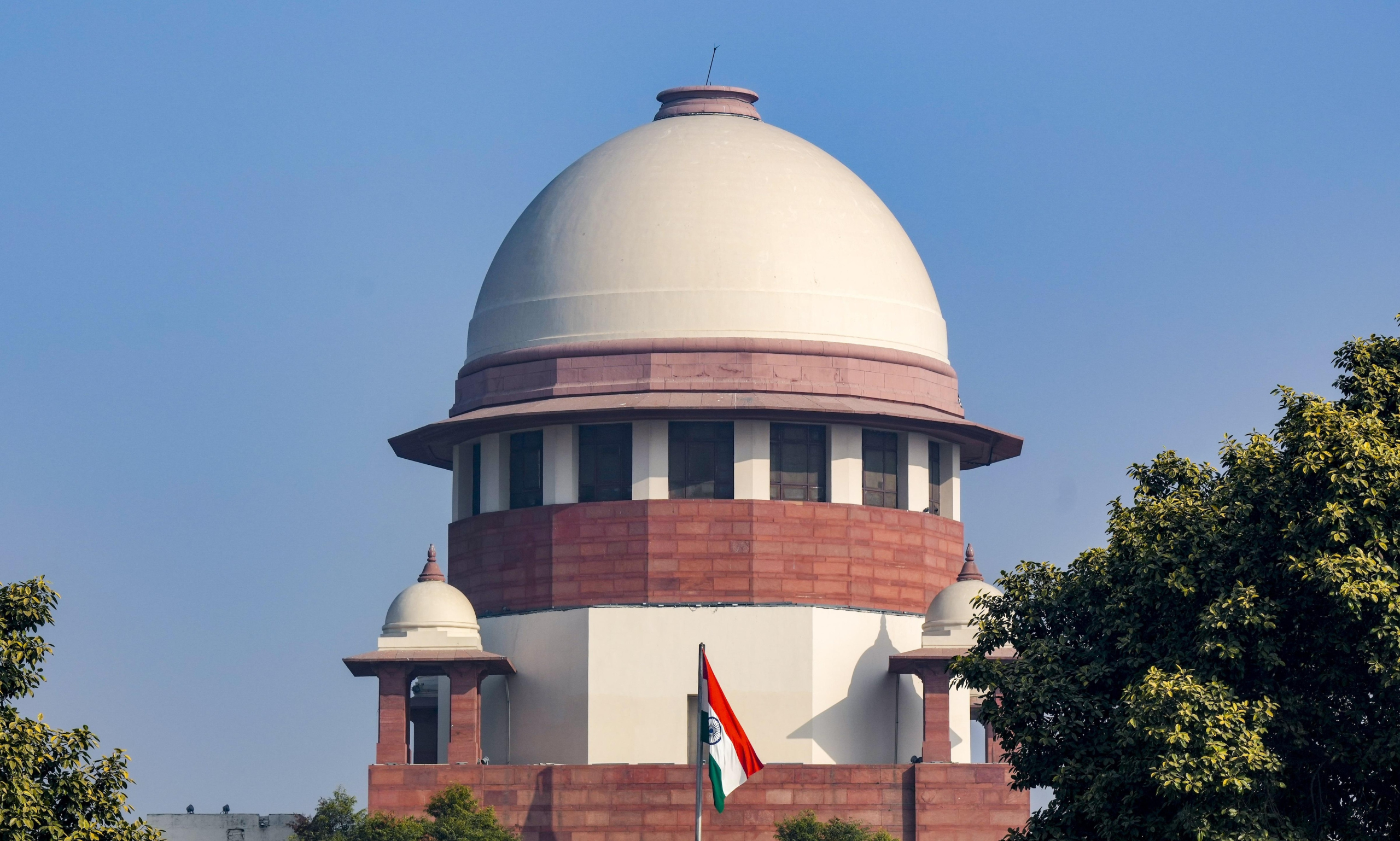
The Supreme Court has rejected the central government’s review petition in a case involving GST claims by telecom companies Airtel and Indus Towers. The court found no error in its August 2025 ruling and dismissed the Centre’s attempt to overturn that decision. This means the original judgment that allowed telecom companies to claim Input Tax Credit (ITC) on infrastructure costs now stands as final.
Input Tax Credit is a mechanism under GST law that allows businesses to claim back the tax they paid on purchases used to make taxable supplies. In the telecom sector, companies invest heavily in towers, cables, and other infrastructure to provide services. The question at the heart of this case was whether GST paid on these assets qualified for ITC benefits. The August Supreme Court ruling answered yes, allowing companies like Airtel and Indus to recover substantial amounts of tax they had paid.
The government apparently disagreed with this interpretation and filed a review petition asking the court to reconsider its decision. However, the court has now firmly rejected this plea, finding that its earlier reasoning was sound. This refusal to reopen the case strengthens the original ruling and makes it settled law.
The implications extend beyond these two companies. Telecom infrastructure is capital-intensive, meaning companies spend billions on building networks. A ruling that allows them to recover GST on these investments affects their cash flow and profitability significantly. When companies get money back through tax credits, they can reinvest in network expansion, 5G rollout, and improved service quality rather than losing that cash to taxes.
The case also reveals a tension between how the government intended GST to work and how courts are interpreting it in practice. GST was designed to avoid cascading taxes, meaning businesses should not pay tax on tax. If telecom companies are providing taxable services but paying GST on their inputs without being able to claim it back, that becomes cascading taxation, which defeats the GST framework’s purpose.
For consumers, the practical impact depends on whether telecom companies pass on their tax savings through lower prices or better services. Industry observers suggest that reduced tax burdens often lead to competitive pricing and network investments. The court’s firm rejection of the government’s challenge also signals that this interpretation is now settled, reducing uncertainty for telecom operators planning future investments.
Other infrastructure-heavy sectors including power, water, and transportation are likely watching this case closely to assess whether similar ITC benefits might apply to them.