



What began as a disputed red card has evolved into the biggest governance controversy of the 2026 FIFA World Cup.
The debate centres on American striker Folarin Balogun, who received a straight red card during the United States’ Round of 32 match against Bosnia and Herzegovina. The dismissal carried an automatic one-match suspension. However, FIFA later suspended the ban following a review, allowing Balogun to feature against Belgium in the Round of 16.
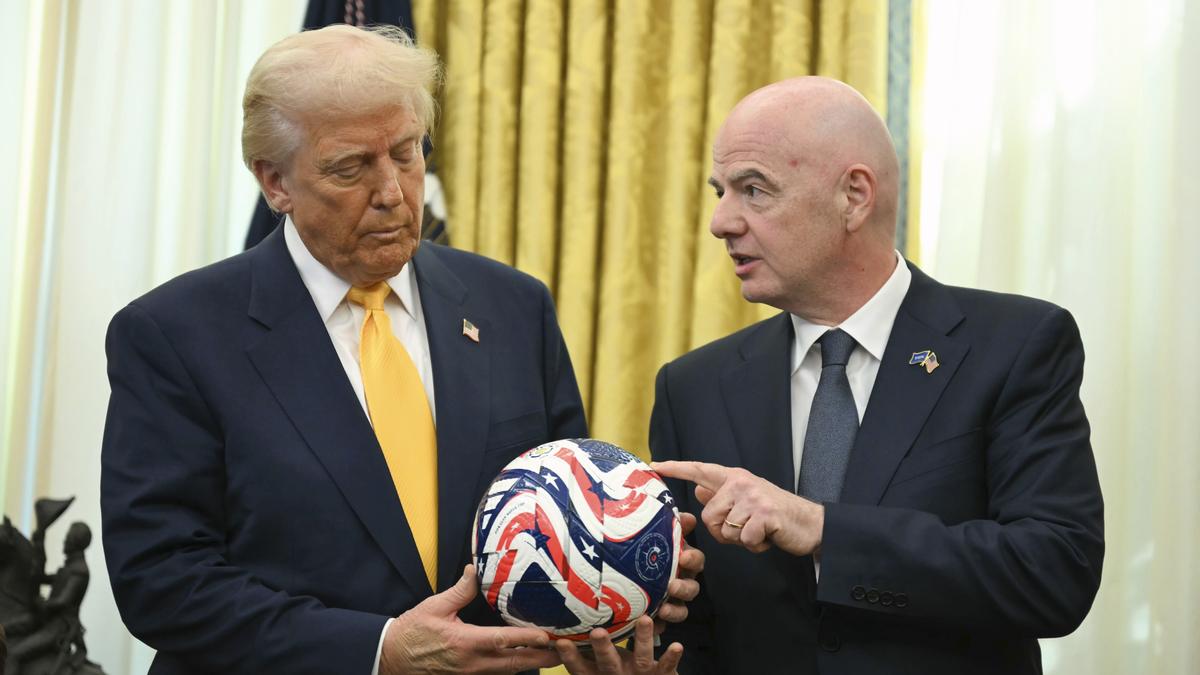
The decision attracted global attention after US President Donald Trump confirmed he had called FIFA President Gianni Infantino to request a review of the incident. UEFA accused FIFA of “crossing a red line,” arguing that the move undermined the credibility of the competition. CONMEBOL backed the original referee’s decision, while Belgium’s football federation said it was acting to defend “football in general, its integrity, its ethics.” Fifty members of the European Parliament have also urged FIFA to act on an existing ethics complaint concerning the relationship between Trump and Infantino.
The controversy has also renewed attention on the increasingly close relationship between the two leaders. Infantino attended Trump’s inauguration rally, FIFA awarded Trump its inaugural Peace Prize in 2025, the organisation has opened office space in Trump Tower, and Trump is scheduled to present the World Cup trophy on July 19.
FIFA has defended its handling of the case. Infantino said the organisation’s independent judicial bodies operate autonomously and that he merely informed Trump an ongoing legal process was underway. He added that he respects the decisions of those bodies regardless of whether he personally agrees with them.
The Balogun case has now become about more than one disciplinary decision. It has raised broader questions about how global sporting institutions maintain public confidence in their independence when political leaders publicly engage with ongoing cases. Whether or not established procedures were followed, the controversy illustrates how perceptions of political influence can shape trust in sporting governance.
Source: Firstpost