



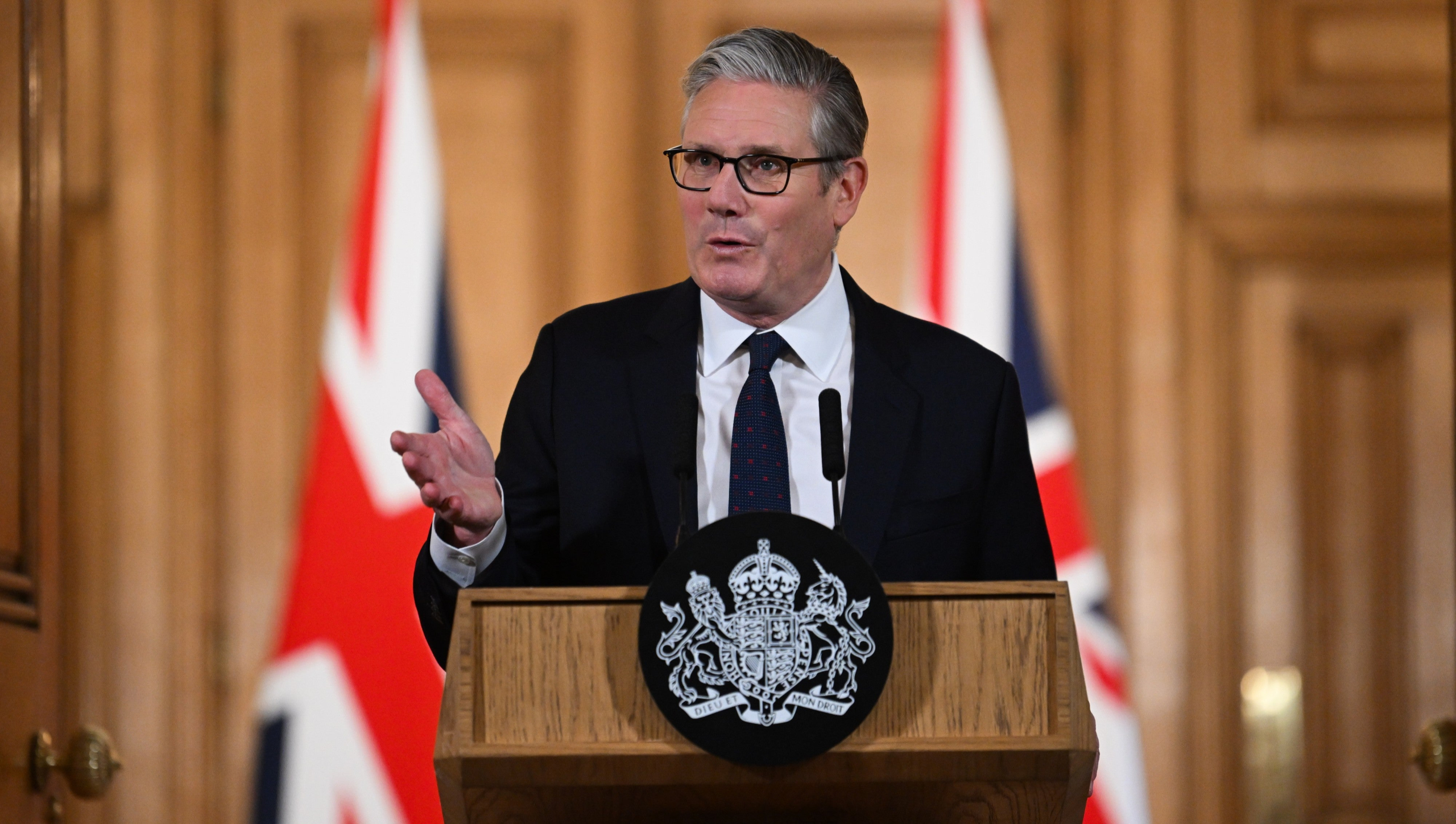
The UK government is planning one of the world’s strictest bans on social media for young people. Prime Minister Keir Starmer announced this week that the government aims to pass regulation before Christmas, with the ban coming into effect by spring 2027. Anyone under 16 will be prohibited from using major social media platforms.
The ban covers TikTok, Facebook, YouTube, Twitter/X, Snapchat, and Instagram. Gaming sites are also included in the restrictions. However, the ban does not apply to messaging services like WhatsApp and Telegram, which allow direct communication between individuals.
Starmer said the regulation is necessary to protect young people from the harms associated with social media use. The UK government has been responding to mounting evidence that platforms negatively affect children’s mental health, contribute to screen addiction, and expose them to online safety risks. Medical professionals and child safety organizations have long argued that heavy social media use among teenagers is linked to anxiety, depression, and disrupted sleep patterns.
The government’s approach places the burden on platforms themselves to verify users’ ages. Companies that fail to comply with the ban could face significant fines. However, the exact mechanisms for age verification have not yet been fully detailed. Platforms may need to use identity checks, credit card verification, or other methods to ensure compliance. These details are still being worked out by UK regulators.
This ban is more comprehensive than most existing youth protection measures globally. While several countries have considered similar restrictions or age limits on social media, none have implemented regulations at this scale. Some nations have introduced age minimums or parental consent requirements, but a complete ban for an entire age group is relatively uncommon.
The announcement has received support from child safety advocacy groups and parents who worry about their children’s wellbeing. Many believe the regulation is overdue given the documented impacts of social media on young mental health. Schools and mental health professionals have increasingly reported concerns about how platforms affect student behaviour and self-esteem.
Tech companies are expected to resist the ban. Major platforms have historically argued against age restrictions, contending that they can manage age verification through their community standards and reporting systems. They may challenge the regulation in court or lobby the government to delay or modify its scope. Industry groups have warned that such bans could drive young people to unregulated alternatives with even fewer safety protections.
Young people themselves hold varied views. Some teenagers support the idea of protecting younger children from platforms that may harm them. Others argue that teenagers should retain the right to choose whether to use social media and that such a ban is paternalistic. Privacy advocates have also raised concerns about age verification methods potentially compromising user data security.
The timeline is challenging. If parliament passes the regulation before Christmas as planned, platforms will have approximately 16 months to prepare for enforcement beginning in spring 2027. This period will require significant changes to how these companies operate in the UK market. They may need to develop new systems for age verification, implement stricter enforcement mechanisms, and potentially alter how their algorithms function for younger users.
Other governments are monitoring the UK’s approach closely. This ban could set a global precedent that influences how other nations regulate social media for minors. If successful, other countries may adopt similar measures. Conversely, if implementation proves problematic or if the ban faces significant legal challenges, it may discourage other nations from pursuing comparable restrictions.
The regulation reflects a broader shift in how governments view tech platforms’ responsibility toward young users. Rather than relying on platform self-regulation or parental controls, the UK is taking direct legislative action to restrict access entirely. This marks a significant moment in the debate over how democracies should balance protecting young people while respecting their autonomy.
Source: In Ign