




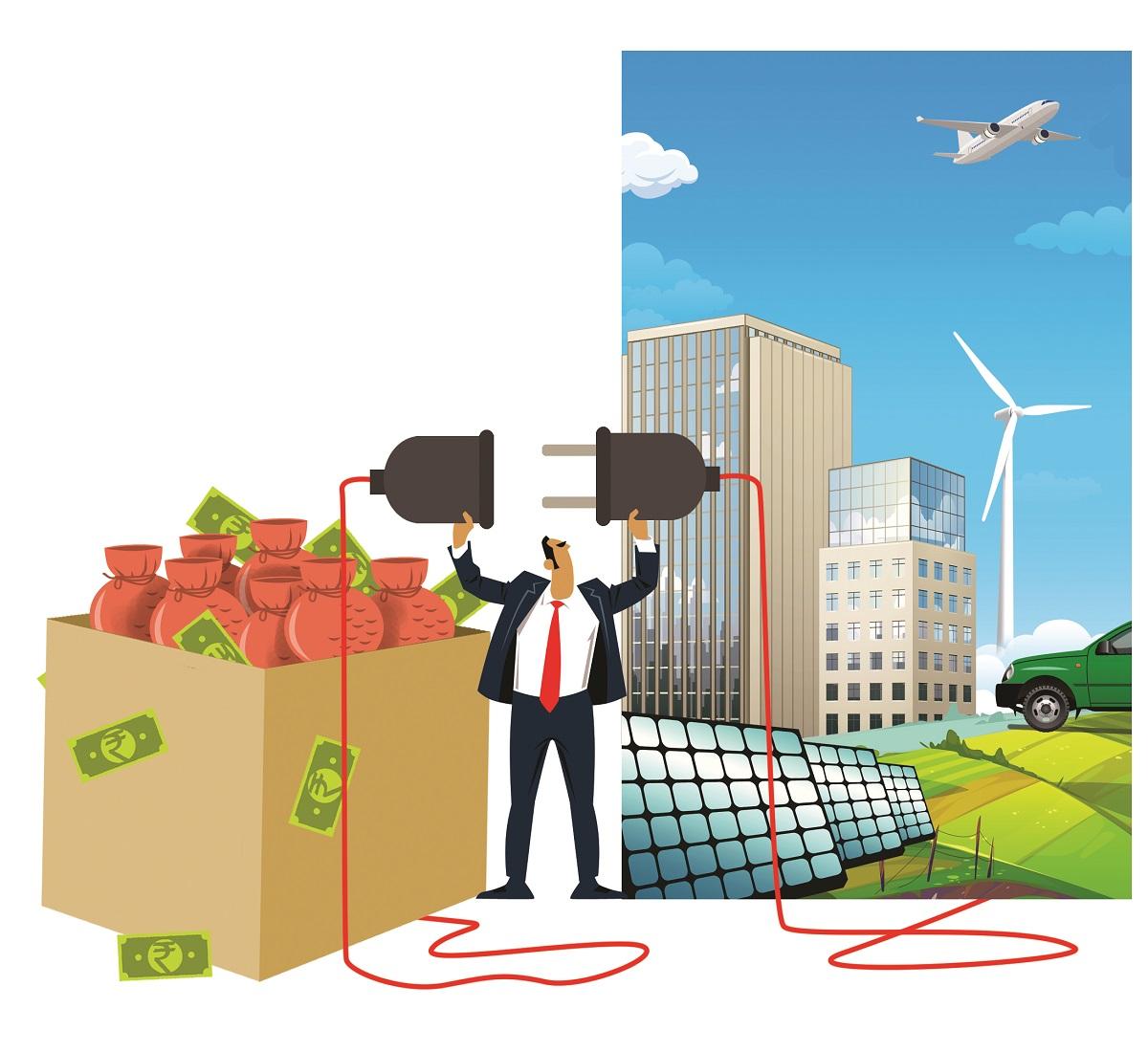
Indian banks are expanding their green lending portfolios as the government moves toward finalizing a climate finance taxonomy, a classification system designed to help lenders identify which projects genuinely support environmental goals. The taxonomy, still under development, represents an effort to standardize what counts as sustainable finance across India’s banking sector.
The move signals a shift in how major financial institutions allocate capital. Banks are offering preferential loan rates for renewable energy projects, electric vehicle purchases, energy-efficient buildings and solar installations. However, experts warn that while lending activity is increasing, the total capital available for climate projects remains small relative to India’s renewable energy ambitions and climate commitments.
A proper taxonomy serves a practical function: it gives banks clear rules on which projects qualify for green lending designation. Without it, financial institutions resort to inconsistent standards or, in some cases, relabel existing loans as green without changing actual lending practices. This is called greenwashing, and it obscures how much real climate finance is actually flowing through the system.
The taxonomy also addresses a transparency problem. Currently, banks publish limited information about their green lending. A standardized framework would require stronger public disclosure, meaning banks must report how much they lend for climate projects and what environmental impact those projects achieve. This accountability prevents false claims and helps regulators track whether the financial system is genuinely supporting India’s climate transition.
Regulatory bodies, environmental organizations and financial institutions have collaborated on drafting these rules for months. The framework sets clear boundaries: renewable energy qualifies, coal plants do not, even if marginally more efficient. This clarity is essential because vague definitions allow loopholes.
But the taxonomy alone cannot solve India’s climate finance gap. The country needs substantially more capital for renewable projects than currently flows through banks. Green bonds, government guarantees and concessional lending all play supporting roles, yet coordination between these mechanisms remains weak. The taxonomy addresses transparency and standardization, not the fundamental scarcity of available capital.
For ordinary Indians, green lending affects everyday financial decisions. Those buying electric vehicles or installing solar panels may access lower interest rates. But these benefits reach primarily people with formal banking access and awareness of such schemes, leaving gaps in rural or underbanked areas.
The taxonomy is expected to be finalized within months. Once rules are set and implemented, banks will have clearer targets and stricter reporting requirements. The real test comes after: whether regulators enforce standards consistently and whether the financial system mobilizes deeper capital pools for the climate transition India requires.