




India imported memory chips worth $6.79 billion in the financial year ending March 2026, representing a 53 percent increase from the previous year. This sharp surge reflects a global shift in chip markets driven by the artificial intelligence boom sweeping across technology companies worldwide.
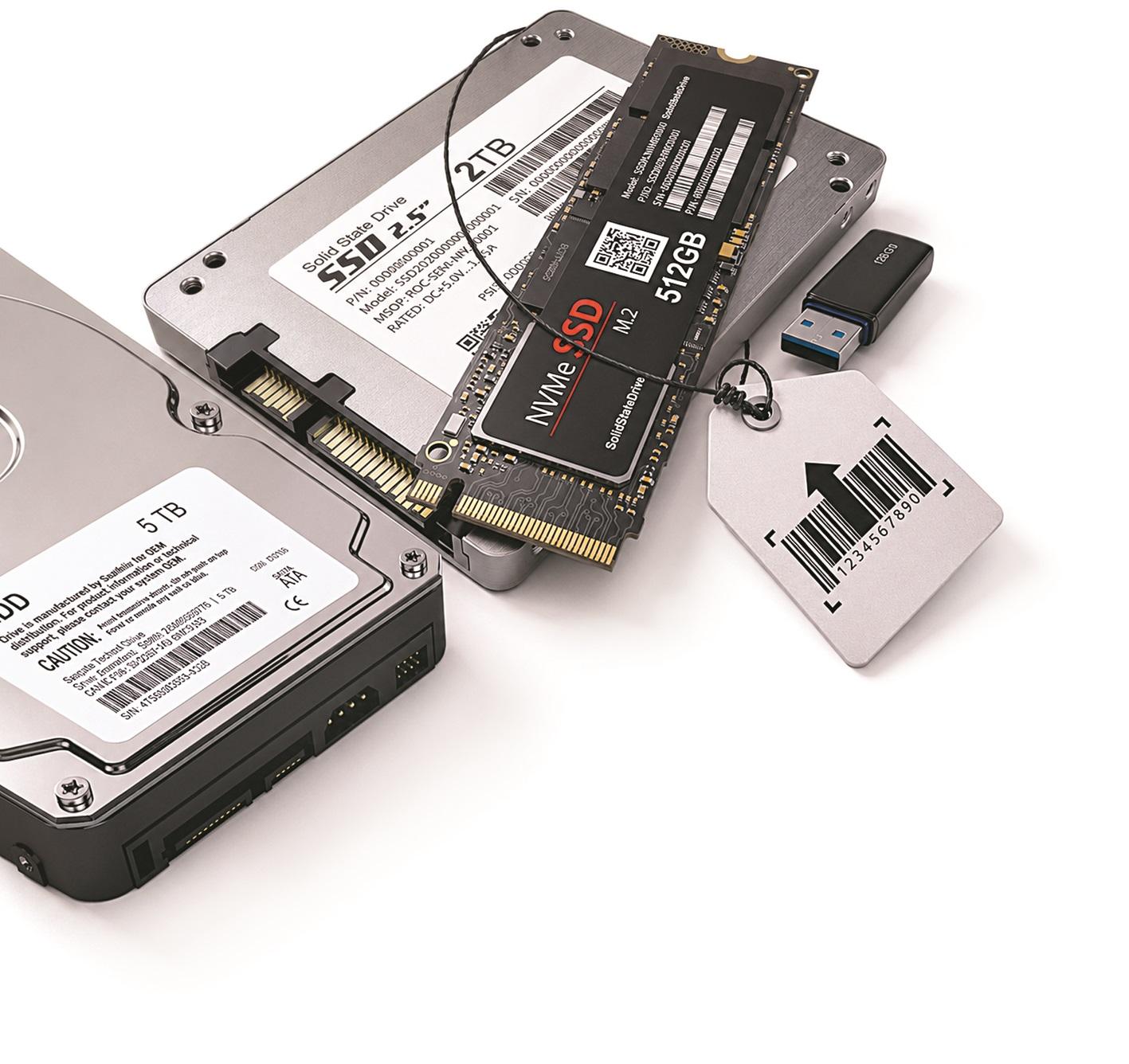
Memory chips are the physical components that store data and process information in computers, phones, servers, and all connected devices. They are manufactured by only a handful of companies, mostly based in South Korea, Taiwan, and the United States. As technology companies raced through 2025 and 2026 to build and deploy AI systems, demand for memory chips exploded. This competition for limited global supply pushed prices upward across the board.
India produces virtually no memory chips domestically and must import every single unit it needs. Electronics manufacturers in India—companies making smartphones, laptops, servers, tablets, and industrial equipment—depend entirely on these imports. The 53 percent jump in import costs means manufacturers are paying substantially more for identical components compared to a year earlier. This cost squeeze comes at a time when these companies are already managing supply chain uncertainties and market competition.
The impact flows directly to consumers. Electronics brands have begun raising retail prices on smartphones, laptops, and servers to account for higher component costs. Smaller Indian manufacturers face particular pressure because they lack the bargaining power of larger corporations and cannot absorb sudden cost increases without cutting margins or raising prices. Some companies have delayed expansion plans because they cannot justify the higher input costs against expected revenues.
This situation exposes a fundamental vulnerability in India’s technology infrastructure. The country relies entirely on imported semiconductors despite being a major consumer of electronics. Government schemes like the Semicon India initiative aim to develop domestic chip manufacturing capacity, but building fabrication plants requires years of development and billions in investment. Until local production scales significantly, India will remain exposed to global price movements it cannot control.
The AI-driven demand that caused this price surge shows no signs of slowing. Technology companies globally are investing heavily in AI infrastructure and computational capacity, which requires massive quantities of memory chips. Analysts expect sustained demand through 2026 and beyond, meaning the pressure on import costs will likely continue.
Indian electronics makers currently face a difficult choice: absorb higher costs and reduce profitability, or pass increases to consumers and risk losing market share. This predicament will persist until either global chip prices stabilize or India develops significant domestic production capacity.
Source: Business Standard