



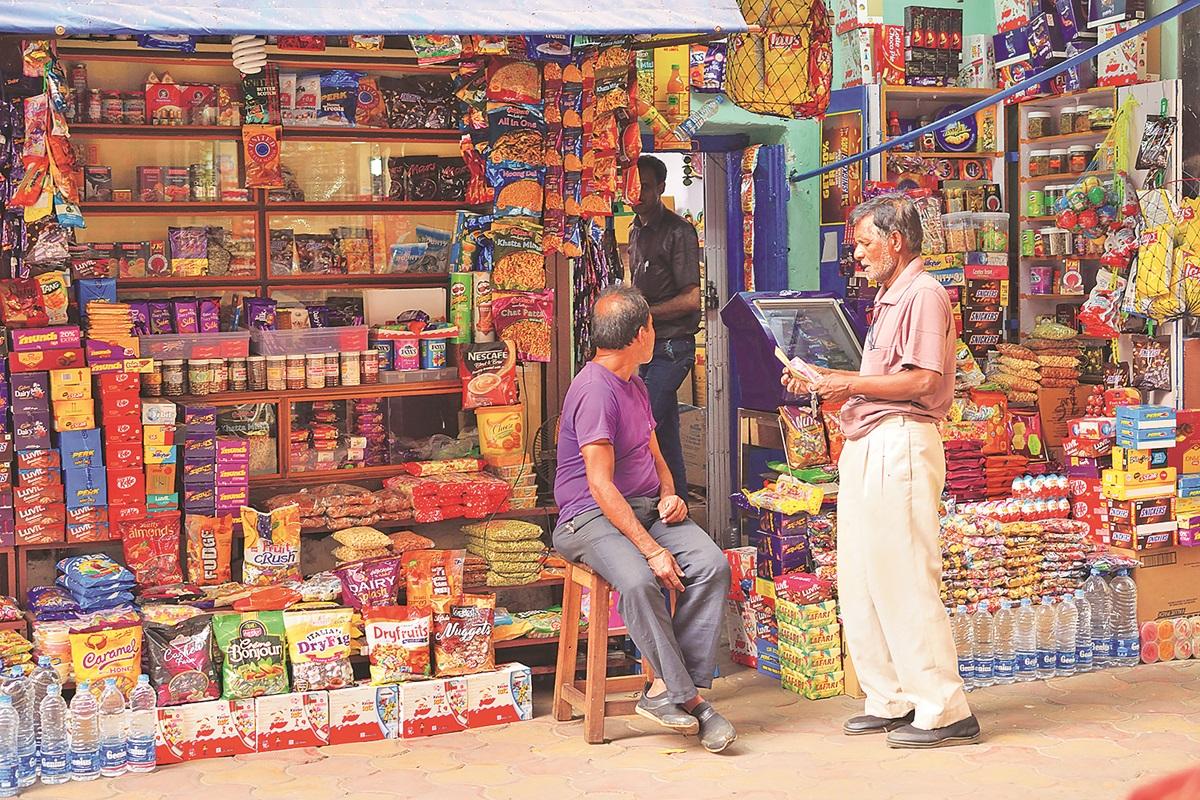
Quick commerce apps like Blinkit, Zepto, and Instamart have fundamentally altered how millions of Indians buy everyday groceries. These platforms promise delivery in 10 minutes or less, and urban consumers are embracing them at a pace that surprises even investors. For kirana stores that have operated for generations, the shift represents an existential challenge.
The growth happened rapidly. In major cities like Delhi, Mumbai, and Bangalore, quick commerce apps now handle thousands of orders daily. Young professionals, busy families, and time-strapped individuals are choosing app-based delivery over walking to their neighborhood store. What distinguishes this moment is that India adopted this model faster than Western markets did. The United States and Europe saw gradual shifts toward faster delivery over years. In India, the transition is happening in months.
Kirana store owners are experiencing measurable losses. Sales have dropped, particularly during hours when customers traditionally visited in person. The challenge is structural: quick commerce apps operate with massive investor funding, allowing them to sell at low prices and sustain losses on individual deliveries. A kirana owner operating on thin margins cannot match this strategy. Some apps deliberately operate below cost to capture market share and build user habits.
What makes this competition different from past retail battles is its speed and scope. When organized retail chains entered India, they took years to establish themselves. Quick commerce sidesteps physical infrastructure entirely. A customer downloading an app is immediately accessible. The traditional kirana store offered more than transactions, it was a neighborhood institution where owners extended credit, knew customers by name, and provided informal financial services. Apps cannot replicate this, but they do not need to. They only need faster, cheaper delivery.
Regulatory attention is growing. Some state governments have begun questioning whether quick commerce apps should face different rules around labor, licensing, or market practices. The working conditions of delivery executives have drawn scrutiny from labor groups concerned about safety and compensation. Investors remain confident the model will continue growing, despite current losses across the sector.
Kirana owners are adapting unevenly. Some have partnered with delivery apps or launched their own online services. Others focus on building community loyalty through stocking specialty items or providing services apps cannot. But the pace of change is outpacing many store owners’ ability to transform their businesses. The Indian retail landscape is shifting in real time, and the outcome for neighborhood stores remains uncertain.
Source: Business Standard