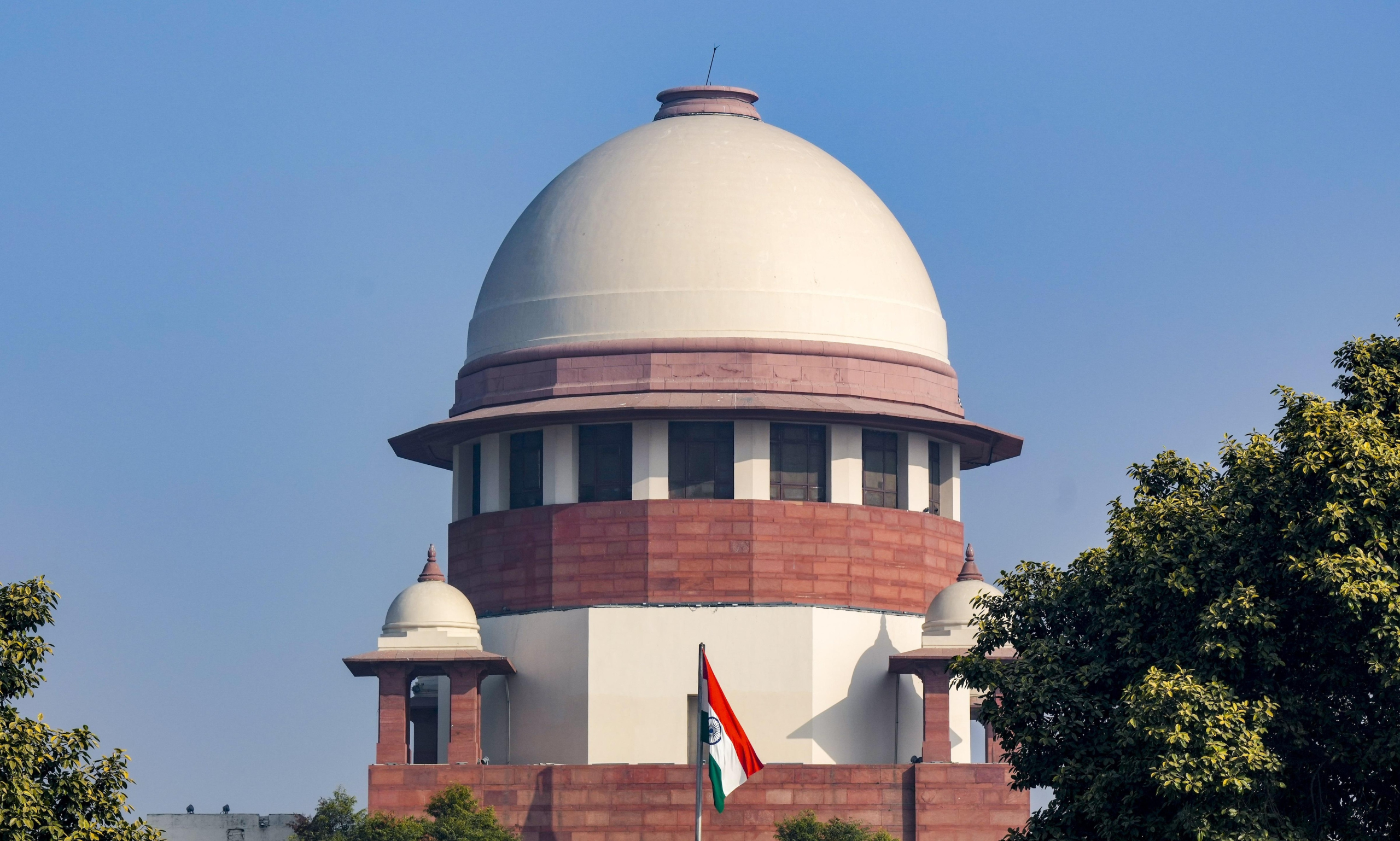




The US Supreme Court delivered a split decision on Monday in a dramatic day that saw President Donald Trump win one major victory while facing three significant legal defeats.
The court ruled that a president can fire and replace heads of government agencies more easily and without restriction. Previously, presidents had to show cause or specific reasons to remove these leaders. This expansion of presidential power means the executive branch gains more direct control over regulators who set rules on environmental protection, workplace safety, food standards, and consumer rights.
But the same session brought sharp setbacks for Trump. The justices rejected his claim of absolute immunity from criminal prosecution, establishing that no president stands above the law and can be charged and tried like any citizen. The court also cleared the way for individual states to remove candidates from ballots if they believe those candidates engaged in insurrection, without requiring a federal conviction. Additionally, the court refused to block charges related to Trump’s actions on January 6, 2021, when supporters stormed the Capitol building.
The presidential power ruling is consequential because it changes how federal agencies operate. Regulators who previously had job security now serve at the president’s discretion. This affects millions of Americans who depend on these agencies to enforce standards for water quality, air pollution, workplace conditions, financial markets, and food safety.
The immunity decision was the most striking rejection of Trump’s legal position. The court made clear that official immunity does not shield a president from criminal liability. While courts must consider how to handle cases involving official presidential duties, no blanket immunity exists. This keeps open the possibility of prosecution for crimes committed while in office.
The ballot access ruling allows states to enforce the 14th Amendment’s insurrection clause independently. This constitutional provision, added after the Civil War to prevent insurrectionists from holding office, can now be applied by state authorities without waiting for federal action or conviction. Legal analysts note this creates potential for inconsistent ballot access across different states.
These rulings reveal ideological divisions on the bench. Conservative justices supported the presidential power expansion, while on immunity and ballot access, even some conservative justices joined the majority in rejecting Trump’s broader claims. The decisions demonstrate how the Supreme Court navigates fundamental questions about presidential authority and constitutional limits on executive power. Together, they will shape American political and legal practice for years ahead, balancing executive strength against accountability mechanisms.
Source: BBC World News