




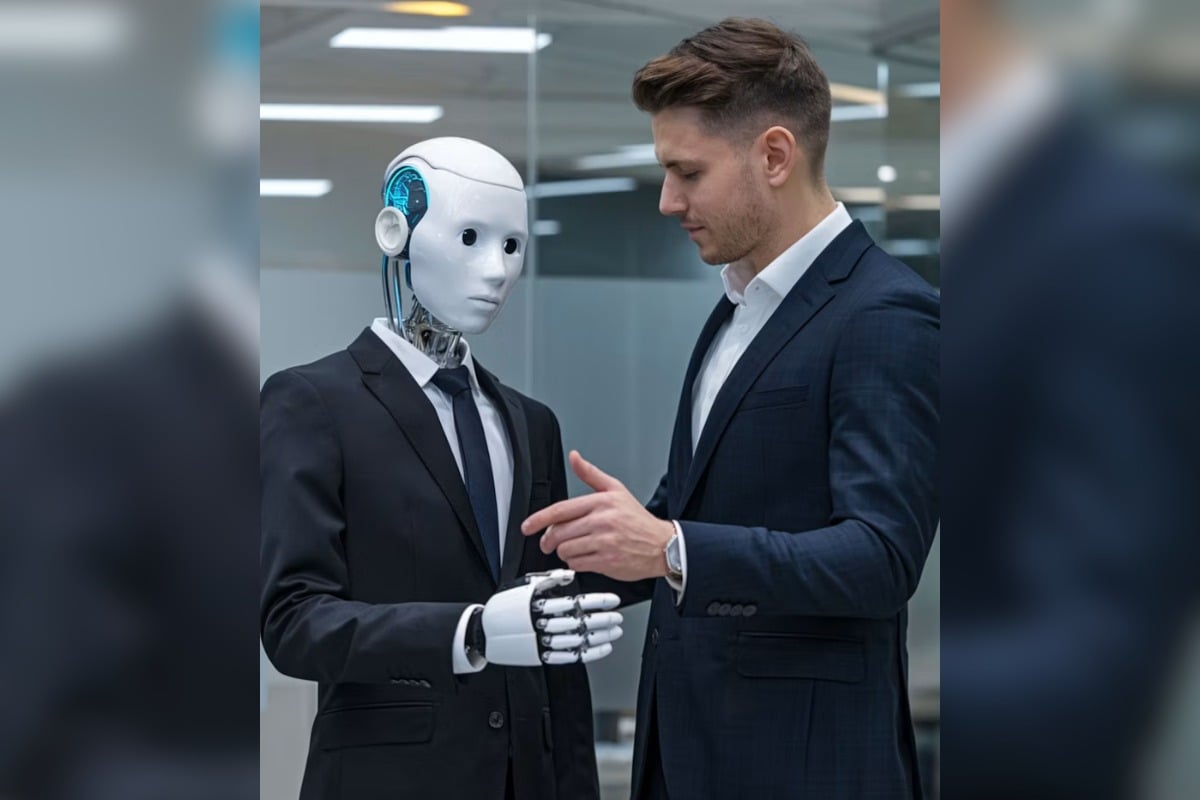
San Francisco tech companies are using artificial intelligence chatbots to conduct initial job interviews, screening candidates before any human recruiter speaks to them. The bots ask questions, evaluate answers, and decide which applicants move forward. Some firms say the system cuts hiring time from weeks to days.
The practice is spreading across tech, finance, and customer service roles in the city. Candidates often don’t know they’re being interviewed by a machine until after they’ve answered questions, according to research shared by job seekers and academics. The bots assess not just what people say, but how they say it: tone of voice, speed of speech, facial expressions captured on camera, and word choice.
This matters because job seekers spend time preparing for what they think will be a conversation with a human. They don’t get feedback on why they were rejected. And the algorithms making these decisions are not publicly tested or transparent. A candidate might be eliminated for reasons they’ll never understand or be able to challenge.
Researchers at universities including UC Berkeley have warned that AI screening bots can discriminate against people with accents, speech disabilities, or cultural communication styles different from the training data the algorithm learned from. One study found that a popular AI interviewer scored non-native English speakers lower even when their answers were identical to native speakers. Women reported being asked different questions than men in the same roles.
Candidates and worker advocates are now pushing for transparency rules. They want companies to tell job seekers upfront when an AI system is evaluating them, disclose how the algorithm works, and allow human review of automated rejections. Some are calling for independent audits to check whether these systems discriminate.
San Francisco employment lawyers have begun fielding complaints from rejected candidates who want to know what criteria eliminated them. The city has no specific law regulating AI hiring tools yet, though California passed a weak transparency rule in 2024 that requires companies to tell applicants when AI is involved in hiring decisions, without requiring detailed disclosure of how it works.
Tech companies argue that AI screening is necessary at scale. They receive thousands of applications for each job opening. Humans can’t review them all. The bots handle volume. But the speed comes with a cost: less human judgment, less nuance, and less chance for candidates to explain themselves.
The question facing San Francisco and other cities is whether faster hiring is worth the risk of systematic bias. Rejections by machines feel final and arbitrary to applicants who have no way to appeal or improve.