



The Indian government is likely to delay the proposed shift to E25 petrol – a blend of 75 per cent petrol and 25 per cent ethanol following widespread consumer backlash over the impact of higher ethanol content on vehicle performance and fuel economy. A senior-level government meeting last week acknowledged the need to address concerns before pushing the transition further.
No formal date had been announced for E25, but two government decisions over the last six weeks triggered alarm. First, a central excise duty exemption was granted for fuel blended with 22 to 30 per cent ethanol. Second, the Bureau of Indian Standards notified fuel standards for these higher blends. Both were widely read as signals that the next stage of ethanol adoption was already being prepared, and the response from automakers and consumers was immediate resistance.
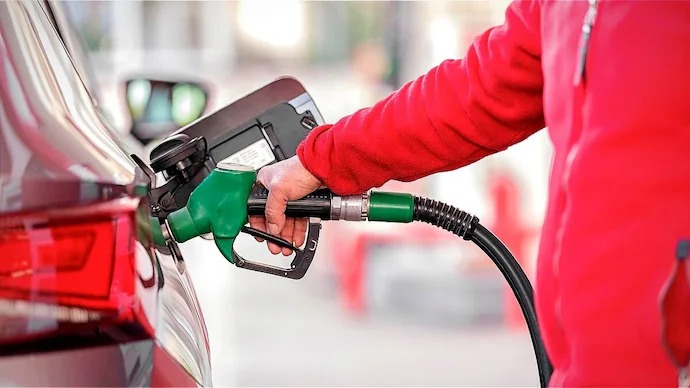
The backlash is rooted in the government’s own track record. India’s E20 fuel – the current standard nationwide was originally planned for 2030 but was rolled out five years ahead of schedule. The compressed timeline left consumers absorbing the cost of a transition they were not adequately warned about. Ethanol has a lower calorific value than petrol, which means a noticeable drop in mileage. Older vehicles and two-wheelers were hit hardest. Motorists reported difficulty starting engines on cold winter mornings because ethanol burns at a higher temperature. Auto companies flagged corrosion risks and parts damage in engines never designed for 20 per cent ethanol blends, given ethanol’s hygroscopic nature that promotes water uptake.
A senior government official told The Indian Express that the transition beyond E20 would need to be calibrated and graded for existing vehicles. Automakers have privately indicated they need time for engine recalibration, fuel-system durability testing, corrosion-resistance validation, and formal homologation – the process that certifies vehicles as compliant with safety and environmental regulations. Officials also acknowledged that some consumer complaints may be overblown, but conceded the political reality of the pushback.
Ethanol blending serves real policy goals – lower carbon emissions, reduced dependence on fuel imports, and a higher octane number that improves combustion efficiency. None of that is in dispute. What is in dispute is the sequencing. By compressing a decade-long E20 transition into three years without adequate consumer preparation, the government turned the people who absorbed the cost into the constituency now resisting E25. The speed of the first transition became the obstacle to the next one.
Source: The Indian Express