



India’s push towards ethanol-blended petrol is entering a new chapter, but not before the current one has sparked one of the biggest public debates around automotive fuel in recent years.
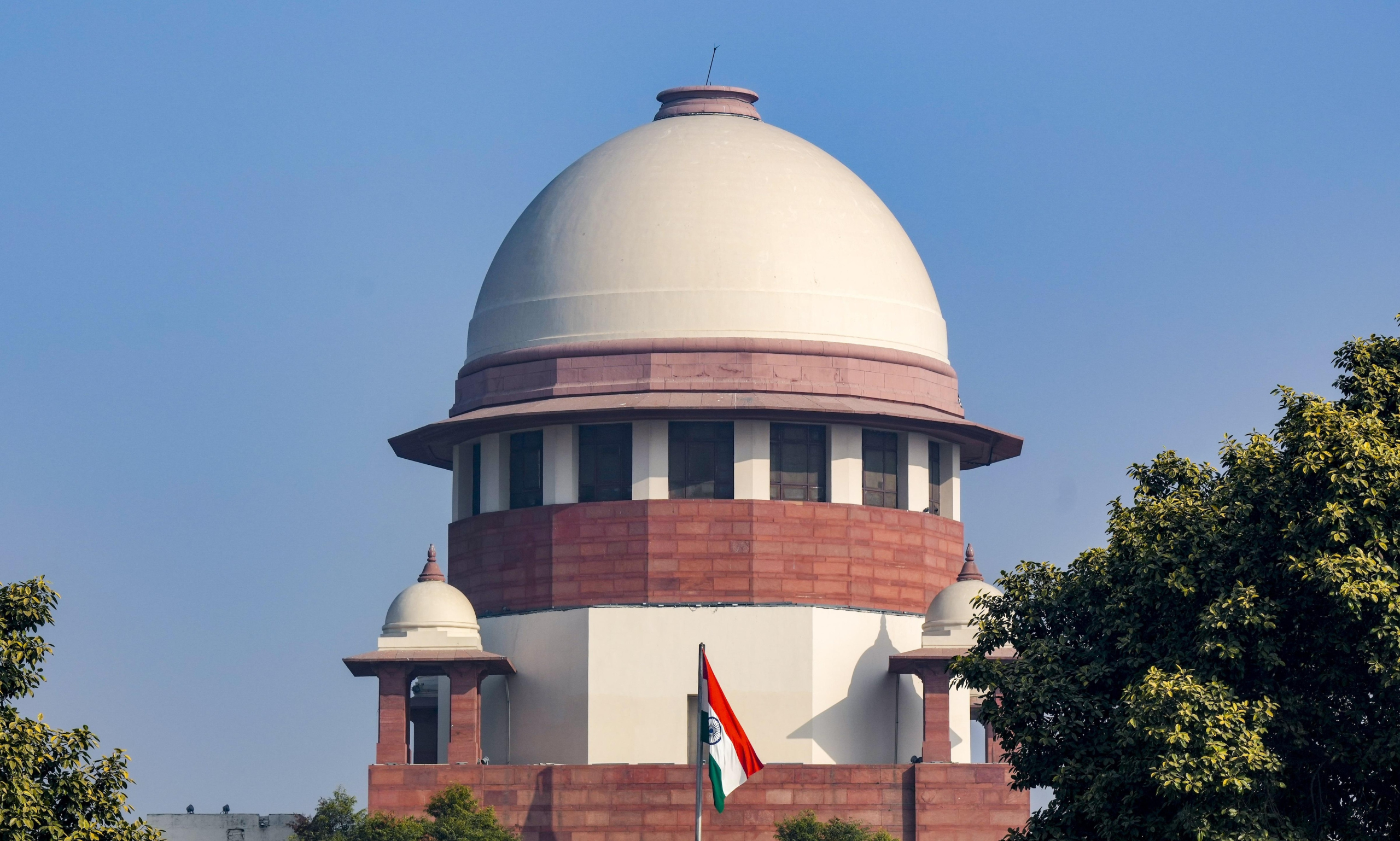
Over the past week, the country’s mandatory E20 petrol programme has faced growing criticism from motorists who claim the fuel has reduced mileage and affected vehicle performance. A fresh petition has reached the Supreme Court, opposition leaders have sought clarity from automakers about older vehicles, and social media has been flooded with questions over whether India’s rapid transition has outpaced consumer readiness. The government has rejected these concerns, insisting that E20 is safe, lowers crude oil imports, reduces emissions and benefits India’s ethanol economy.
Major automakers have largely stood behind the policy. Maruti Suzuki, Toyota Kirloskar Motor, Hero MotoCorp and Mahindra say years of testing and millions of serviced vehicles have shown no evidence of widespread engine damage caused by E20. They acknowledge that ethanol’s lower energy content can reduce fuel efficiency by around 3 to 4 percent but argue that viral claims of engine failures have not been supported by technical evidence.
It is against this backdrop that Mercedes-Benz India has entered the conversation.
Speaking to The Economic Times, Managing Director and CEO Santosh Iyer said Mercedes supports India’s ethanol blending programme but wants the next phase to be introduced gradually. The company’s latest petrol vehicles are already compatible with E20, while some models, including the S-Class Hybrid, are engineered for E25. However, Iyer said policymakers should provide a clear roadmap before moving to higher blends, giving manufacturers time to adapt and recognising that millions of older vehicles on Indian roads were never designed for higher ethanol content.
Mercedes has also suggested that fuel stations continue offering multiple grades of petrol during the transition so owners of older vehicles have a choice. The company has additionally pointed to fuel adulteration as a possible reason behind some consumer complaints, arguing that poor fuel quality may be fuelling anxiety around E20.
BMW India has taken a similar position. While confirming that its latest petrol vehicles are engineered for E25 and future regulations, the company has also backed a calibrated transition supported by testing and regulatory clarity. The government, for its part, says E25 will only be considered after long-distance trials and consultations with the industry.
The debate is no longer just about E20. It is becoming a test of how India manages the next stage of its clean fuel transition. The country has shown it can move policy quickly. The next challenge is ensuring that vehicles, infrastructure and public confidence keep pace.