



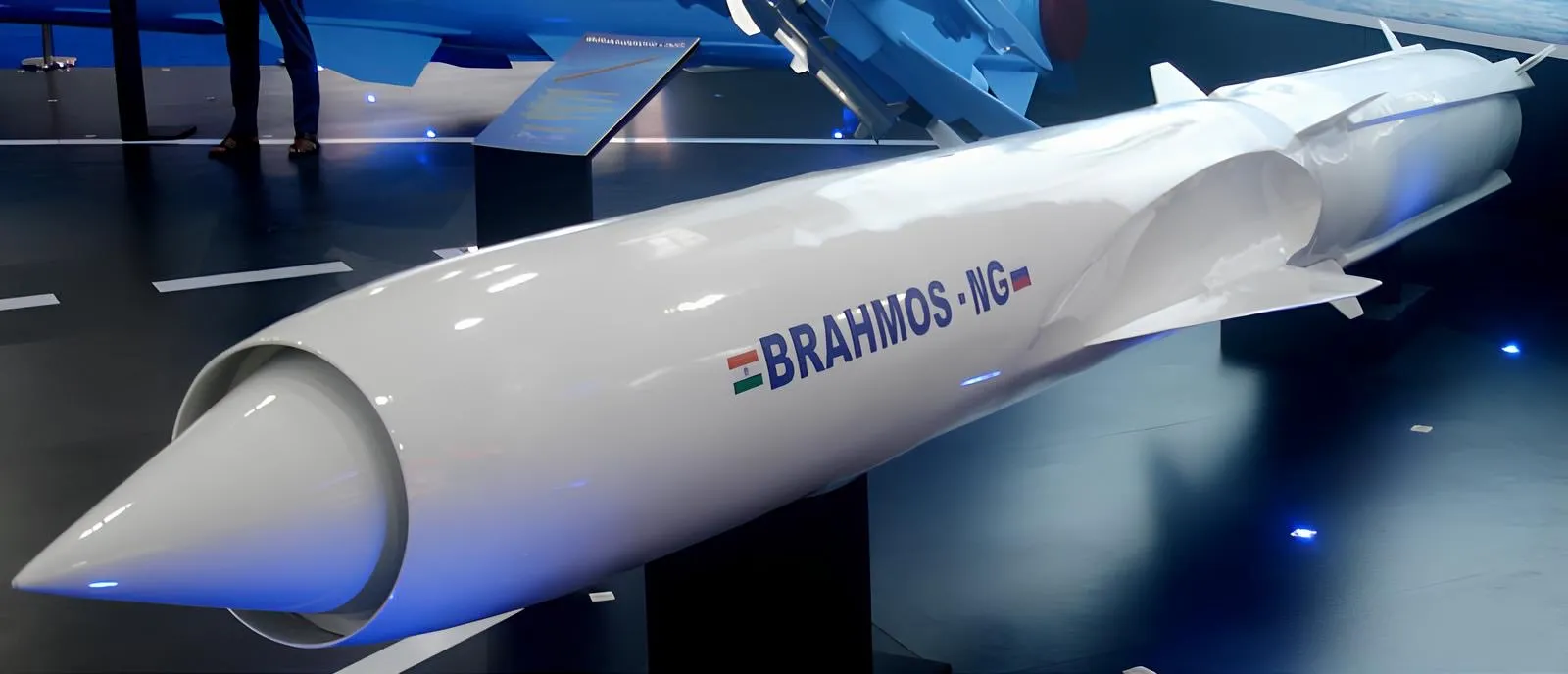
India has postponed its BrahMos-NG missile program by approximately one year, moving flight trials from 2026 to 2027. The decision stems from revised operational requirements that demand a more powerful and predominantly Indian-built supersonic cruise missile capable of matching China’s expanding naval capabilities in the region.
The BrahMos-NG represents an upgraded iteration of the existing BrahMos missile, originally developed through a joint India-Russia partnership beginning in the late 1990s. The current redesign focuses on replacing Russian propulsion systems with Indian technology, extending the missile’s operational range, improving its stealth characteristics, and enabling compatibility with multiple launch platforms including naval vessels, aircraft, and ground-based systems. These technical enhancements require additional development time and comprehensive testing across multiple Indian defence organizations and research institutions.
India’s shift toward indigenous weapons development reflects a strategic priority to reduce dependence on imported defence systems while building domestic capabilities. China’s significant expansion of its naval fleet over the past decade has intensified India’s focus on developing advanced anti-ship and naval defence systems. A more capable indigenous missile strengthens India’s deterrent posture in the Indian Ocean, a region critical to Indian trade and security interests. The delay, while extending the program timeline, allows engineers sufficient time to ensure the integrated system meets operational standards before deployment.
Weapon development programs routinely experience schedule adjustments when technical requirements escalate or new engineering challenges emerge. In this case, substituting Russian components with Indian alternatives demands substantial research, prototyping, and validation work. The current BrahMos missile already serves operationally with the Indian Navy, so the delay does not create an immediate capability gap. Existing systems continue to receive incremental upgrades while the next-generation variant undergoes development.
Defence analysts view the extended timeline positively, noting that investing adequate time in design validation prevents costly failures during operational deployment. The 2027 target provides a realistic window for completing system integration and conducting necessary flight trials. Once operational, the BrahMos-NG will offer enhanced capabilities for India’s naval defence architecture, particularly in anti-ship warfare scenarios. The program exemplifies India’s commitment to self-reliance in critical defence technologies while addressing emerging regional security challenges.
Source: Indiandefensenews