




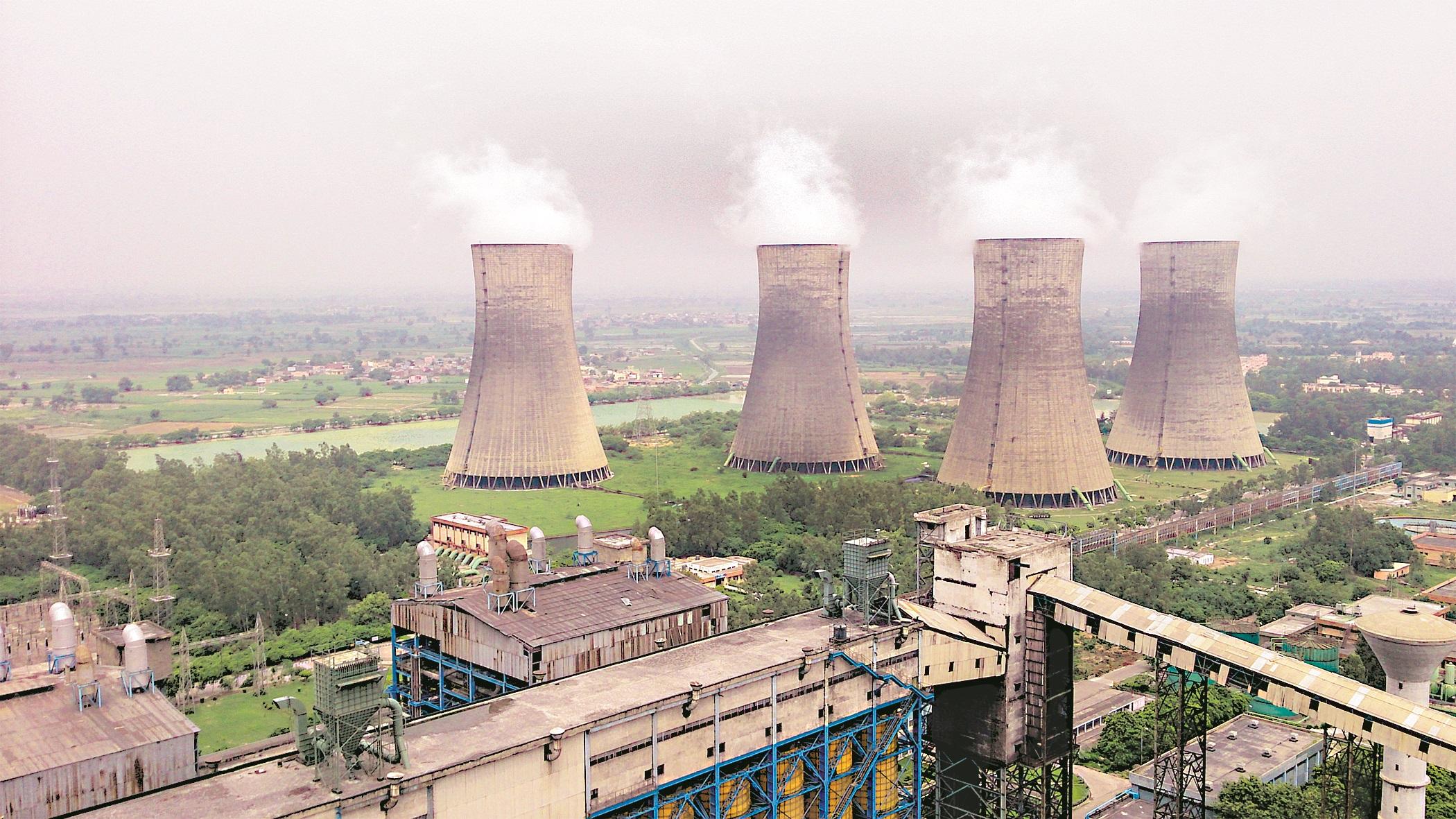
Coal-fired power plants operating near Delhi and neighbouring areas are responsible for 81% of sulphur dioxide emissions in the region, according to new analysis by CREA (Council on Energy, Environment and Water). Most of these plants are exempt from installing FGD systems, equipment designed to remove sulphur dioxide before it enters the atmosphere. The finding reveals how a temporary regulatory accommodation has evolved into a significant air quality problem affecting tens of millions of people.
Sulphur dioxide is a poisonous gas that damages the lungs and contributes to smog formation. When inhaled, it irritates airways and reduces lung capacity, particularly in children and elderly people. The exemption allowing older power plants to operate without FGD systems was originally granted on the assumption these facilities would shut down within a specific timeframe. That assumption proved wrong. Many plants continued operating well beyond their intended closure dates, continuing to emit harmful gases directly into the air.
The consequences are measurable and serious. Children living downwind of these uncontrolled power plants show lower lung function than children in regions with cleaner air. During winter months, when cold air traps pollution close to the ground, respiratory disease rates spike in Delhi-NCR. The region’s winter air quality crisis, which draws international attention each year, worsens partly due to these emissions from power plants that should have been modernised or decommissioned years ago.
Power generation is a significant contributor to regional air pollution during winter months, according to government data. Yet the regulatory system has allowed older facilities to escape modernisation costs by maintaining decades-old exemptions. Installation of FGD systems requires substantial upfront investment, and power plant operators have resisted the requirement. However, the costs of not installing these systems fall on ordinary people through health damage, medical expenses and reduced work productivity.
Several other Indian states have already implemented stricter rules, forcing older coal plants either to install pollution control equipment or cease operations. The question for Delhi-NCR, home to over 40 million people, is whether regulatory enforcement will catch up to the scale of the problem. CREA is urging the government to either mandate FGD installation at exempted plants or compel their closure. Until one of these outcomes occurs, plants without pollution controls will continue releasing sulphur dioxide at rates that contribute significantly to the region’s air quality crisis.