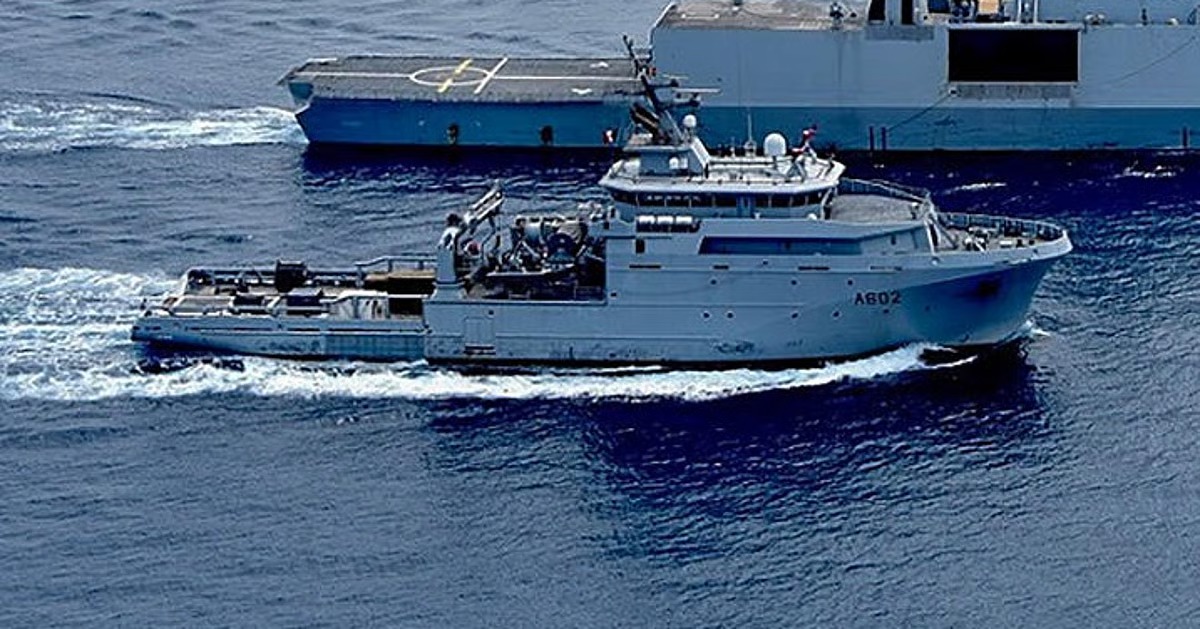




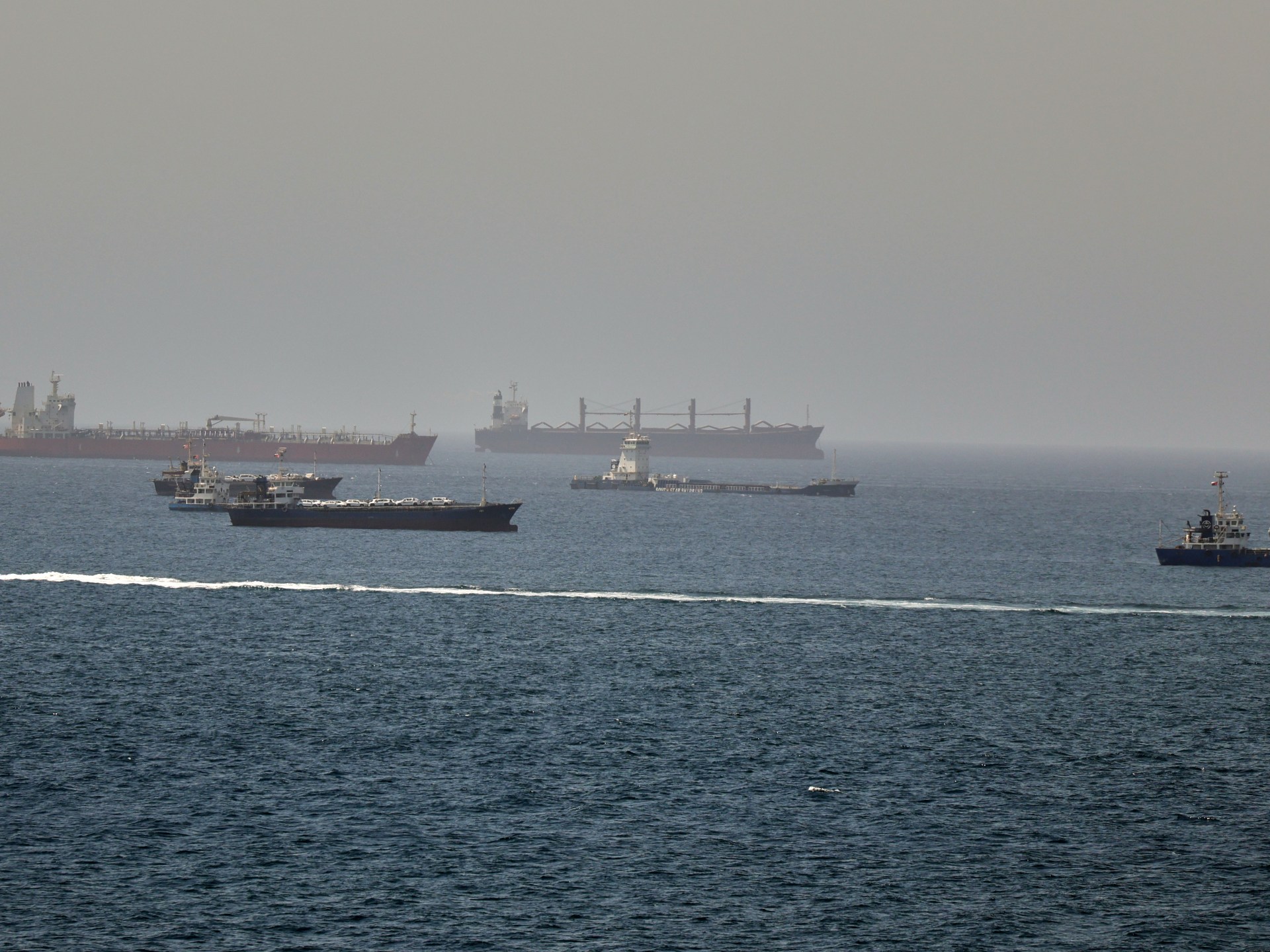
Oil prices have reached their highest level in a month as military tensions between the United States and Iran intensify, pushing Brent crude near $85 per barrel. The price spike reflects trader concerns about disruption to the Strait of Hormuz, a narrow waterway between Iran and Oman that handles roughly one-third of all seaborne oil globally. No actual disruption has occurred yet, but the possibility alone has moved markets sharply upward.
The Strait of Hormuz is essential to global energy security because it is the main exit point for oil leaving the Persian Gulf, one of the world’s largest oil-producing regions. Any sustained closure or interference with shipping there would immediately constrain global oil supply. When traders assess the risk of such disruption as higher, they bid up prices preemptively, before any real shortage materializes. This forward-looking pricing explains why oil markets have already reacted to diplomatic and military tensions rather than to any confirmed supply loss.
For India, the consequences are immediate and material. India imports nearly 85% of the oil it consumes, making the country directly exposed to global price movements driven by Middle East geopolitics. When Brent crude rises by $1 per barrel, petrol prices in India typically increase by approximately 80 paise per litre within two to three weeks. Higher fuel costs then cascade through the economy: transport operators raise freight charges, airlines adjust ticket prices, and retailers pass increased logistics costs onto consumers through higher food and goods prices.
This pattern has repeated multiple times in recent years. In January 2024, renewed US-Iran military action pushed Brent crude above $90 per barrel. In 2019, attacks on Saudi Arabian oil facilities caused even sharper spikes. Each time, Indian households and businesses absorbed the impact through higher petrol costs and downstream inflation. The current escalation follows the same script: tensions rise, traders price in disruption risk, global oil prices climb, and Indian consumers feel it at the pump and in their grocery bills.
The critical distinction is that current hostilities remain military and diplomatic rather than direct attacks on oil infrastructure. However, traders are factoring in the risk that escalation could disable production from Iran, the world’s fourth-largest oil producer. If military action targets oil facilities or if Iran blocks the Strait of Hormuz to retaliate, global supplies would tighten sharply. Such action would be unprecedented in its economic impact.
The path forward depends entirely on whether tensions ease or intensify. Diplomatic negotiations could lower prices back below $80 per barrel. Conversely, military escalation could send prices significantly higher. For now, the trajectory remains uncertain, and Indian households should expect petrol prices to reflect this global volatility.
Source: Al Jazeera