




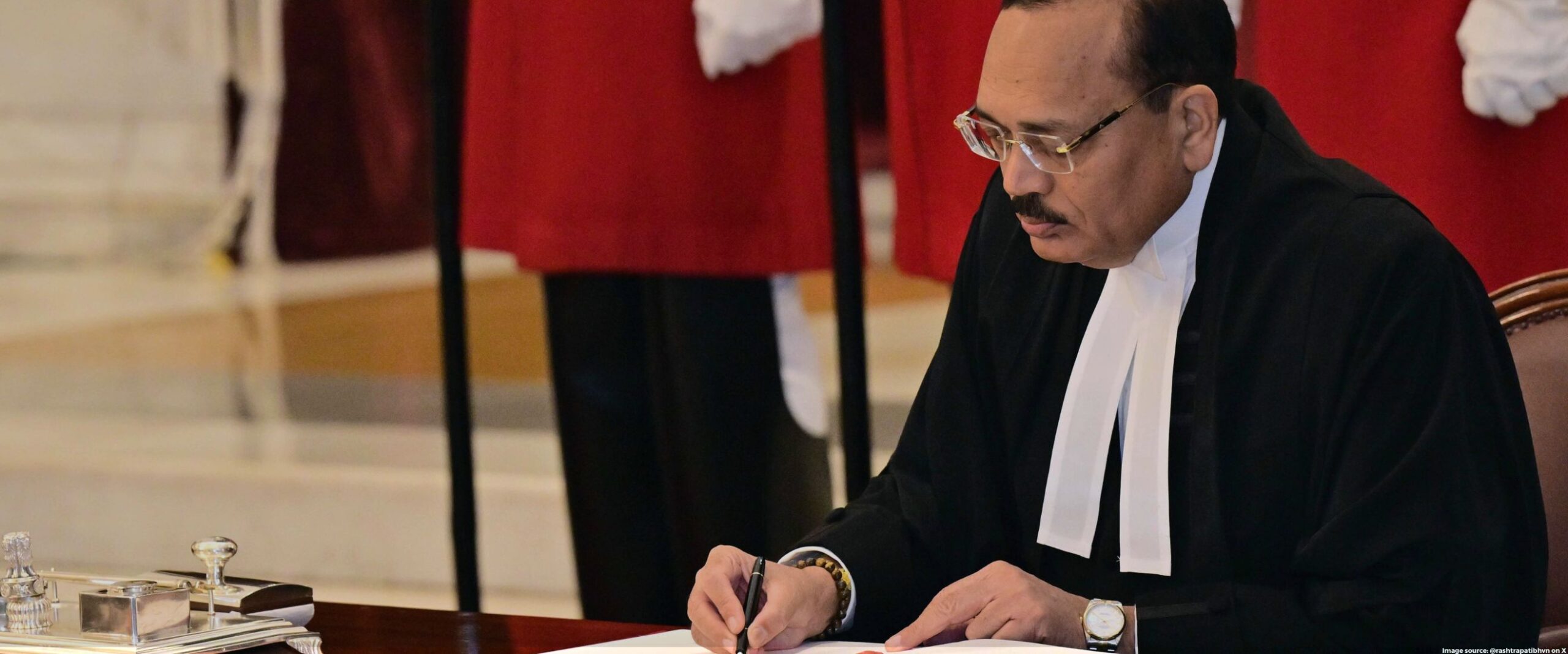
The Supreme Court has overturned 27 citizenship decisions made by the Guwahati High Court, saying the process used to reach those judgments was fundamentally flawed. According to The Hindu, the court found that the decisions were made in a mechanical way, were one-sided, and showed no evidence that judges had actually thought carefully about each case. The court has now ordered that all 27 cases be heard again from the beginning by tribunals, this time with proper procedure.
Why does this matter? Citizenship decisions are among the most consequential rulings made in any legal system. When someone is declared a foreigner, they can lose the right to live in India, work, vote, own property, or access government services. If such a critical decision is made without fair process, innocent people can have their lives destroyed. The Supreme Court’s ruling acknowledges this: declarations about citizenship cannot be sustained if the procedure used is careless or one-sided.
The case reveals a larger problem in India’s immigration courts. Many tribunals deciding foreigners’ status have been accused of working too quickly, not giving people proper chance to defend themselves, and not properly examining evidence. Cases are sometimes decided without the person even getting a full hearing. The Supreme Court has now said this practice must stop. Every person facing such a decision deserves a fair process where both sides are heard, evidence is examined thoroughly, and judges show that they have actually considered the specific facts of the case.
This ruling sets a new standard. Lower courts and tribunals will now know that the Supreme Court will not accept lazy or rushed decisions about citizenship. Procedure is not a formality to rush through. How decisions are made matters just as much as what the decision is. Fair process protects both innocent people and the integrity of the system itself. The court’s message is clear: citizenship matters too much for mechanical handling. Each case needs real thinking, proper evidence, and genuine consideration before a verdict is reached.