



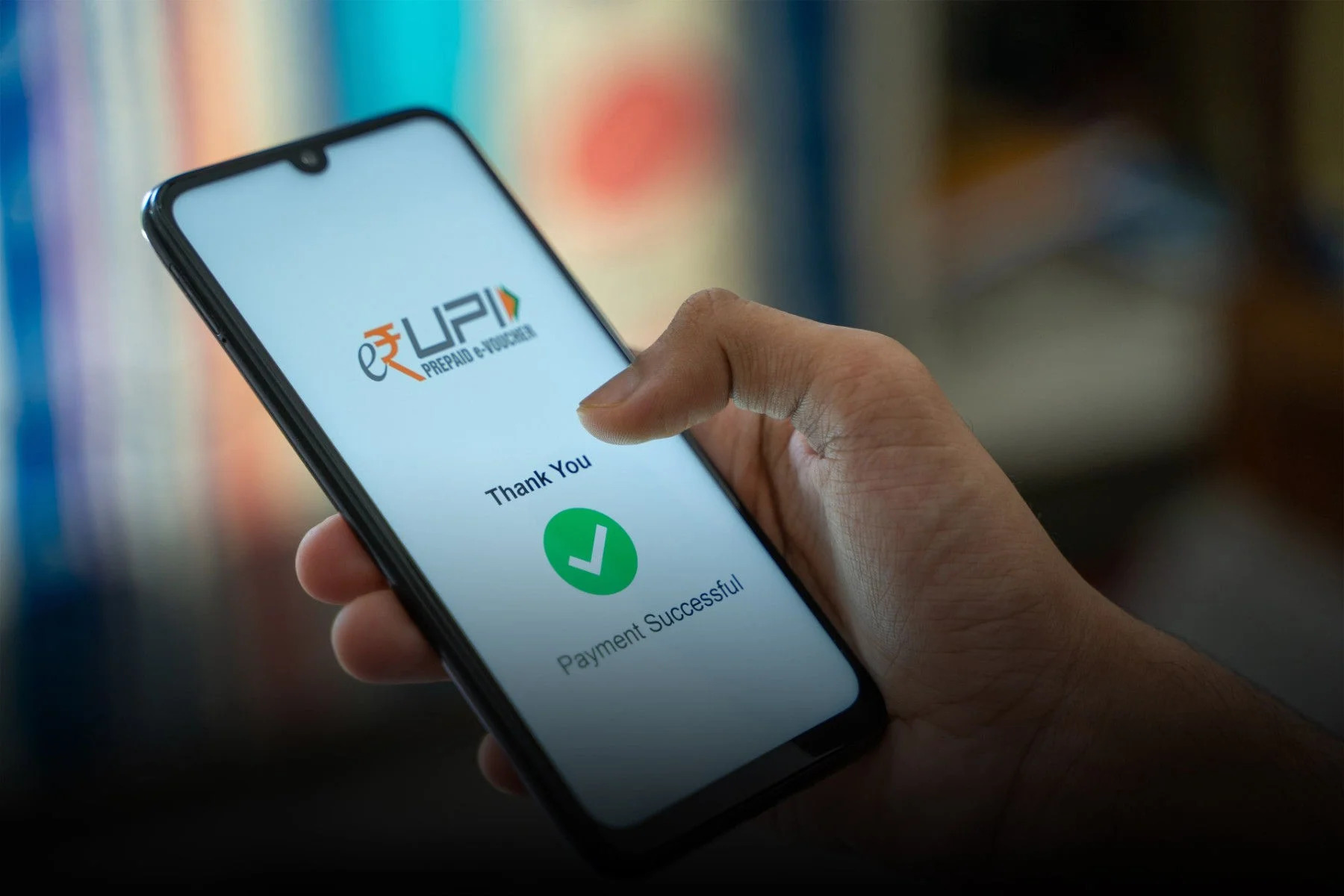
The government has proposed a legislative amendment that could pave the way for merchant discount rates (MDR) on UPI payments exceeding Rs 2,000 when they are made to businesses. Person to person transfers are expected to remain outside the scope of the proposal.
The change comes through the Taxation and Other Laws (Amendment) Bill introduced by Finance Minister Nirmala Sitharaman. The amendment removes the legal restriction that currently prevents banks and payment service providers from charging MDR on notified electronic payment modes, creating the framework for fees to be introduced in the future.
Government officials clarified that no decision has yet been taken on when the proposal would come into effect. If implemented, the expected MDR is likely to range between 0.25% and 0.4%.
According to official estimates, only around 5% of UPI transactions would attract the charge because of the Rs 2,000 threshold. However, those transactions represent nearly 65% of the total value processed through UPI, reflecting the concentration of high value payments on the platform.
Officials also said that routine consumer spending, including purchases of groceries, vegetables, milk, taxi rides and similar low value transactions, is unlikely to be affected.
Industry representatives believe the government may also introduce a ceiling on the maximum fee payable. They argue that UPI transactions do not involve the funding costs associated with credit cards, making a capped fee structure more appropriate.
At present, merchants already pay MDR on credit and debit card transactions, although many businesses absorb the cost instead of passing it on to customers. Credit card MDR can be as high as 3%, while debit card charges are subject to regulatory caps.
If the proposal is eventually implemented, its impact on consumers will depend largely on whether businesses choose to absorb the additional cost or recover it through pricing. The amendment does not itself impose charges but removes the legal barrier that has prevented them from being levied on eligible UPI transactions.