




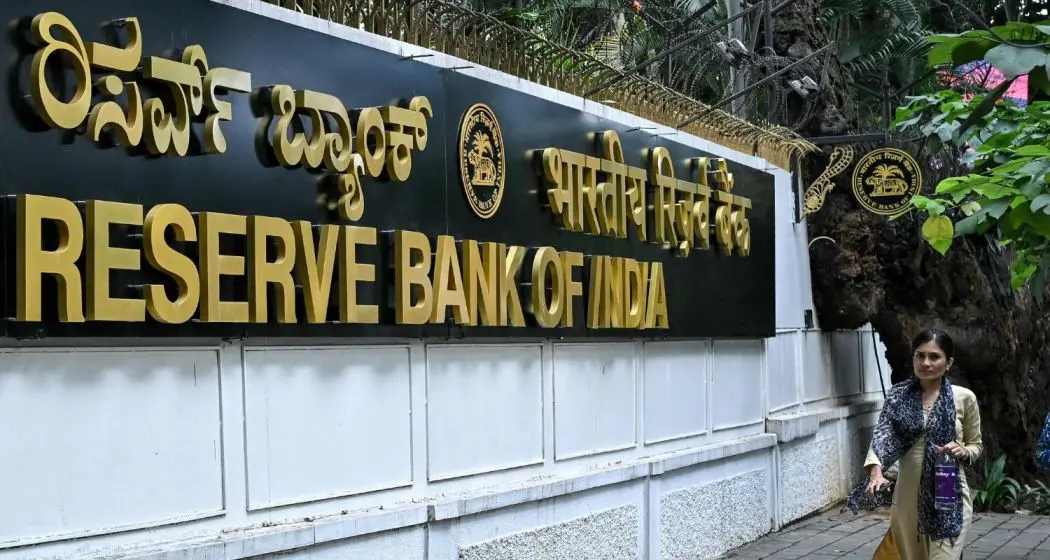
The Reserve Bank of India, led by Governor Sanjay Malhotra, has reduced its inflation forecast for the financial year 2026-27 to 5 percent. This revision comes as global crude oil prices have fallen from earlier highs, reducing pressure on fuel and transportation costs across the economy. The RBI’s forecasting team bases monetary policy decisions on inflation projections, so this downward revision signals changing economic conditions that could affect interest rates and borrowing costs for ordinary Indians.
Inflation measures how fast prices rise for goods and services. When inflation runs high, your salary buys less at the shops. The RBI tracks it closely because controlling inflation is part of its core mandate. Earlier forecasts for FY27 were pitched higher, but the drop in global oil prices has improved the outlook. Oil price movements matter because they ripple through the entire economy. Crude affects petrol and diesel at pumps, which in turn affects bus fares, auto-rickshaw rides and delivery charges. Companies also use oil-derived products in manufacturing, so when crude is expensive, production costs rise and prices climb for consumers. The revised 5 percent target sits comfortably within the RBI’s acceptable range, typically between 4 to 6 percent. This suggests the central bank sees inflation becoming more manageable without requiring aggressive interest rate hikes that would squeeze borrowers. For Indians with home loans, car loans or savings accounts, a stable inflation outlook could mean lower or steady borrowing rates in the months ahead.
However, several risks remain on the horizon. Global geopolitical tensions could spike oil prices again without warning. Food prices, which account for a large portion of household spending in India, depend heavily on monsoon rainfall and crop yields, making them unpredictable. Domestic wage growth and consumer demand could also push prices upward. The RBI will continue monitoring actual inflation numbers as they arrive. If prices rise faster than this new forecast, the central bank may need to raise interest rates again. If inflation stays below 5 percent, there may be room to cut rates, which would ease monthly EMIs for loan holders. The coming months will test whether falling oil prices genuinely deliver relief to Indian households or whether other factors override this benefit. Source: ET Economy