



India’s recent T20I struggles against Associate opposition have exposed a weakness that becomes difficult to ignore when conditions take batting out of the equation.
Against the USA in the 2026 T20 World Cup, India was pushed into a major scare after collapsing to 113/5 before Suryakumar Yadav’s unbeaten 70 helped them reach 161/9. The USA eventually finished on 132/8. Even in a match India won, their batting was rescued by an individual performance rather than a convincing collective response.
The Ireland series was more concerning. India lost 0-2, struggling to impose themselves against an Associate side when the pitches offered assistance to the bowlers. There was little of the overwhelming batting dominance that has often defined India’s T20 cricket.
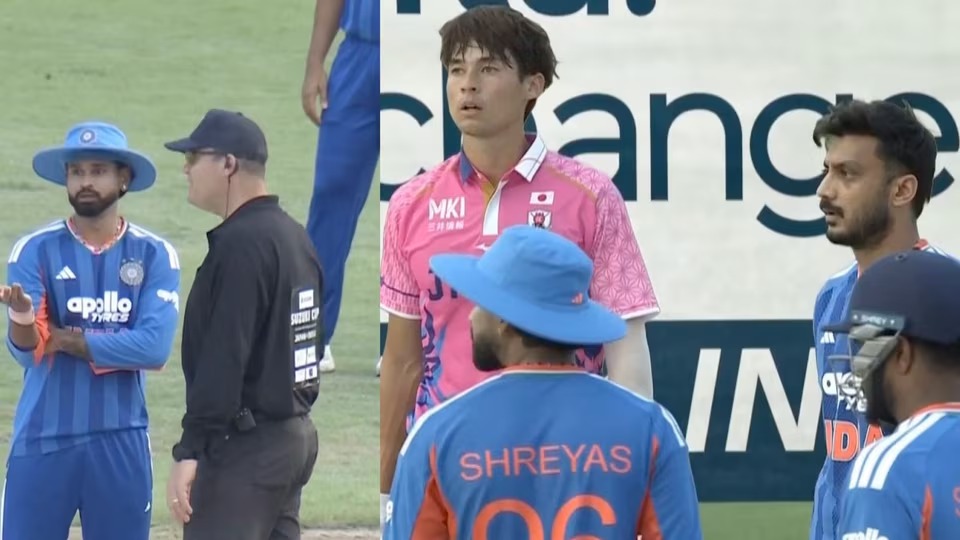
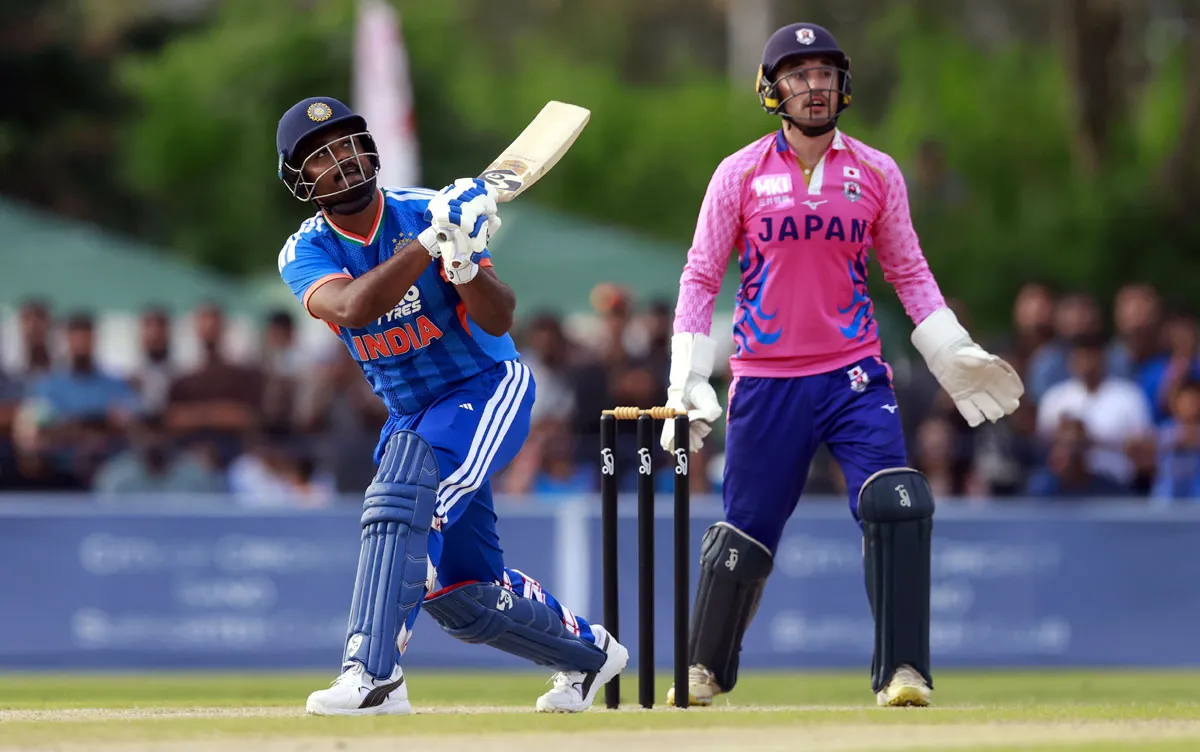
Then came Japan. India was expected to have complete control against a side playing only its second men’s T20I against a Full Member. Instead, Japan restricted India to 32/4 in a rain-shortened five-over innings and came within two runs of completing one of the biggest upsets in the format.
The common thread is conditions.
When pitches are flat and stroke-making comes easily, India’s depth of power is obvious. The problems become more visible when the ball grips, moves or simply refuses to come onto the bat. Shot-making becomes harder, risk increases and India’s batting can suddenly look far less imposing.
That concern also extends beyond Associate opposition. South Africa came close to eliminating India from the 2026 T20 World Cup before conditions in the latter stages of the tournament provided more favourable batting surfaces. The contrast raises a larger question about how India’s batting unit responds when the pitch does not allow its preferred high-tempo game.
This does not mean India cannot win on difficult surfaces. Their bowlers have repeatedly shown that they can defend modest totals. The issue is that the batting side has too often needed one player to produce something extraordinary when conditions become challenging.
Against Japan, the final-over drama ultimately saved India from an embarrassing defeat. Against the USA, Suryakumar provided the rescue act. Against Ireland, there was no escape.
For a team with India’s resources and experience, these matches offer a useful warning. T20 cricket is increasingly being played on surfaces where batting plans can be disrupted, and India’s success cannot depend entirely on conditions being favourable to their strengths. The bigger challenge is developing a batting approach that remains effective when the pitch refuses to cooperate.