




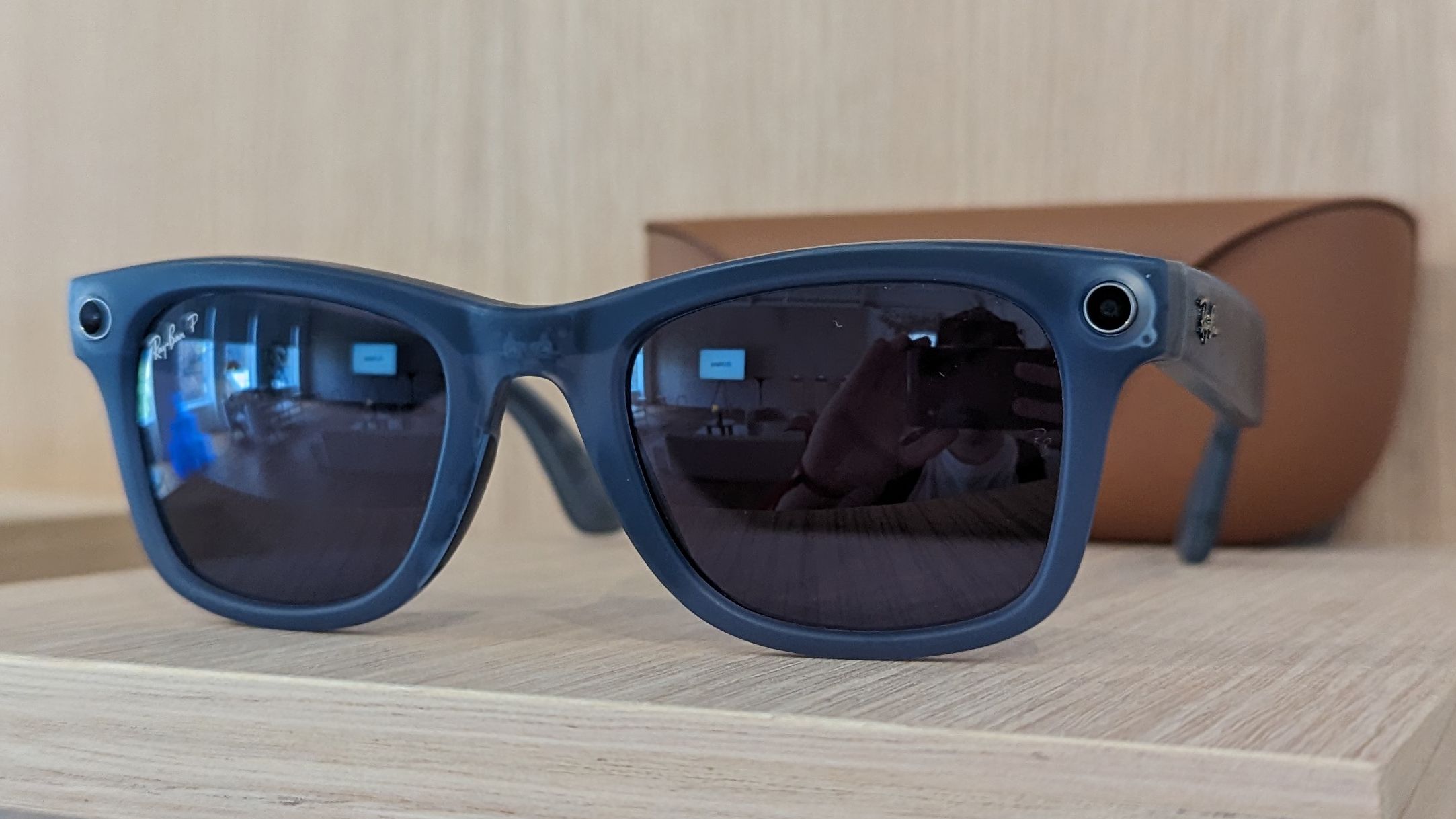
Meta’s Ray-Ban Display glasses arrived in Paris with the kind of promise that tech companies love to make: artificial intelligence that helps you see the world differently. For $799, you get smart glasses that translate languages in real time, identify landmarks as you walk past them, and answer questions about what you’re looking at. The marketing videos show someone effortlessly navigating a foreign city, glasses doing the thinking while they do the exploring.
A BBC Travel writer decided to test this vision against reality. She took the glasses on an actual holiday to Paris—not a controlled lab environment, not a rehearsed product demonstration, but real streets, real crowds, real sunlight, and real tourist confusion. What she found tells you something important about where AI technology actually stands today.
The glasses worked. Sometimes brilliantly. The camera could identify famous buildings instantly. The translation feature did translate. When conditions were perfect—good lighting, clear subjects, patient users—the device delivered on its core promises. But “sometimes works” and “replaces your phone” are not the same thing.
The real problem emerged during normal use. The BBC writer found herself constantly waiting. Waiting for the glasses to process what she was pointing at. Waiting for answers that came slower than opening Google. Waiting for the device to understand what she actually needed. When the glasses misidentified something or struggled to understand her question, she still reached for her phone to verify the answer. When the translation feature took too long, she switched to Google Translate. When she wanted to share a moment with friends, the glasses made it harder, not easier.
This reveals the core gap between Meta’s marketing and the product’s reality. The glasses were supposed to reduce your dependence on your phone. Instead, they created a new workflow: check the glasses first, verify on the phone second. For most tasks, that’s just making life more complicated, not simpler.
The test also exposed something that product videos never mention: the social friction of wearing a device with a built-in camera. Tourists and locals in Paris noticed the glasses. Some were curious. Some were uncomfortable being recorded by someone wearing what clearly looked like recording technology. That’s a human reality that doesn’t fit into marketing narratives about seamless, natural interaction with technology.
There’s another layer here that matters. Meta is selling these glasses now. But they’re not finished. The company is still developing the software, still optimizing the AI, still working on speed and accuracy. The BBC’s test showed that optimization period is ongoing and visible to anyone who actually uses the product. You’re buying a device that sometimes feels like it’s still being built.
This isn’t to say Meta’s technology is broken or that the glasses are worthless. The camera quality is good. The processing power is real. The translation and identification features work. But there’s a massive difference between “this technology works in ideal conditions” and “this technology makes my actual life easier.” A tourist in Paris needs something that works instantly, in bright sunlight, while walking and thinking about a dozen other things. The Ray-Ban Display glasses need good lighting, clear subjects, a patient user, and quiet moments. They’re not built for the messy reality of actual travel.
The test also revealed a fundamental mismatch in expectations. Tech companies show us futures where AI integrates seamlessly into our lives. Reality shows us devices that work well in narrow situations and require backup plans for everything else. That’s not AI’s fault. That’s just where the technology actually is.
What makes this test valuable is that it strips away marketing language and shows what $799 actually buys you today. Not a finished product that works like the advertisements. Not a replacement for your smartphone. Not a device that transforms how you see the world. It buys you a promising piece of hardware that works some of the time, in some conditions, for some tasks. It buys you access to AI that’s still learning, still developing, still not quite ready for the world Meta is marketing it to.
Meta will improve these glasses. The next version will be faster, smarter, more reliable. But right now, the real story isn’t about a failed product or disappointing technology. It’s about the persistent gap between what tech companies promise and what they deliver on day one. The BBC writer’s Paris test simply made that gap visible to anyone paying attention.
Source: https://easternherald.com/2026/06/14/meta-ai-glasses-paris-test-bbc-travel-ray-ban-display