



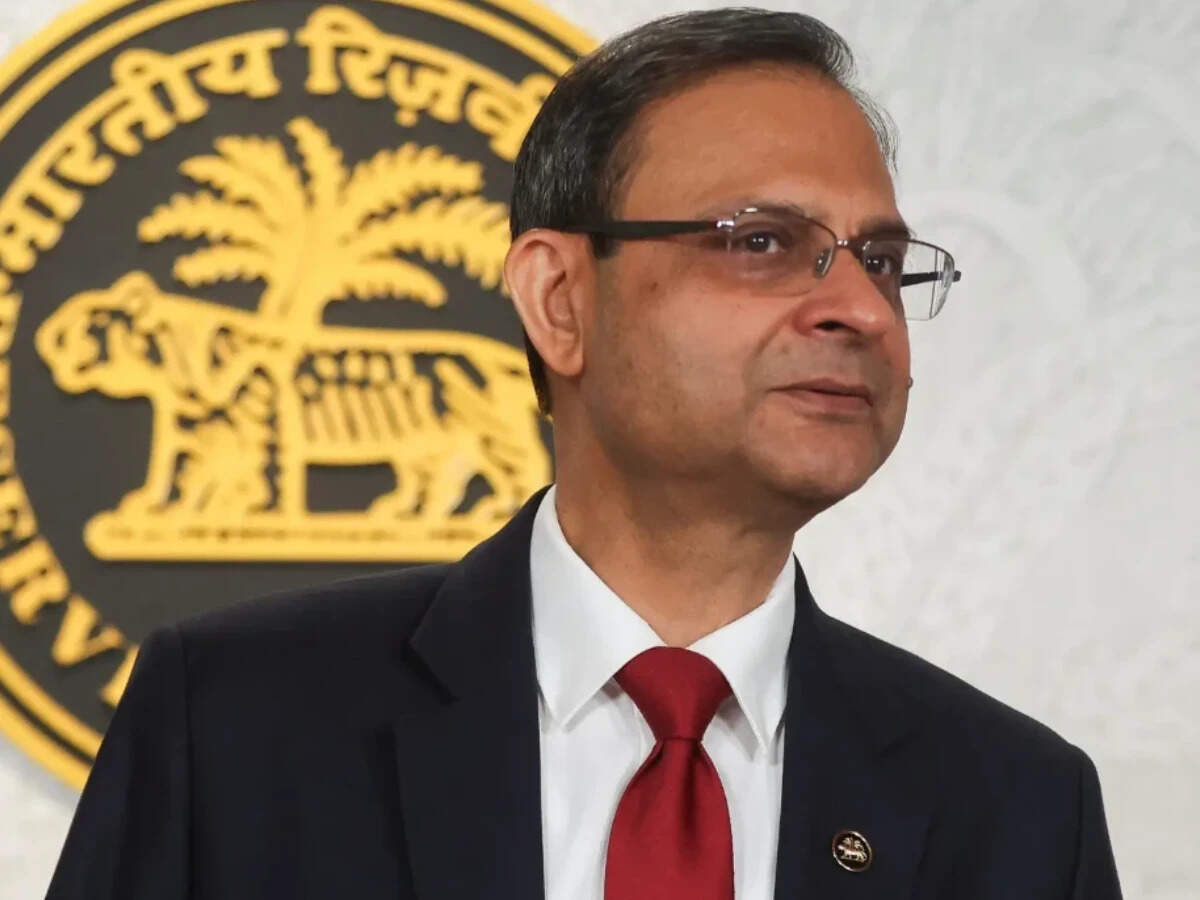
India’s Reserve Bank has decided to keep its main interest rate at 5.25 per cent, marking a pause in monetary policy adjustments as global tensions create uncertainty. Governor Sanjay Malhotra and the RBI’s Monetary Policy Committee made this decision at their regular meeting, choosing not to raise or lower borrowing costs for Indian banks and consumers.
The decision signals caution. Rising tensions involving Iran in the Middle East threaten to disrupt global oil supplies and push crude prices higher. Since India imports roughly 80 per cent of the oil it consumes, any spike in global crude affects everyday prices for Indians. From petrol at the pump to vegetables at the market, oil price increases ripple through the economy and eventually show up in inflation.
When the RBI holds interest rates steady, it keeps the cost of borrowing unchanged. Home loan EMIs, car loan installments, and business borrowing costs remain where they are. This stability gives households and companies predictability in their financial planning. However, it also suggests the RBI believes current conditions do not demand immediate action either way.
The committee’s approach is essentially a wait-and-see position. By holding rates, the RBI avoids tightening conditions further, which could slow down India’s economic growth just as it shows signs of momentum. At the same time, it preserves room to act if global oil prices or inflation pressures worsen. This balancing act is central to the RBI’s role: maintain price stability without unnecessarily restricting economic activity.
Geopolitical risks have become a key concern for central banks worldwide. When tensions flare in oil-producing regions, financial markets become volatile. Investors pull money out of emerging markets like India, and currency values shift. The RBI watches these developments closely because they can transmit shocks into India’s economy within weeks.
The coming weeks matter. If Iran tensions escalate further and oil prices jump significantly, the RBI may need to respond in its next meeting. Higher oil prices would eventually push inflation up, forcing the central bank to raise rates to protect the value of money. Conversely, if tensions ease and global growth concerns mount, the RBI might eventually cut rates to support economic activity. For now, the central bank has chosen to stay still and observe.