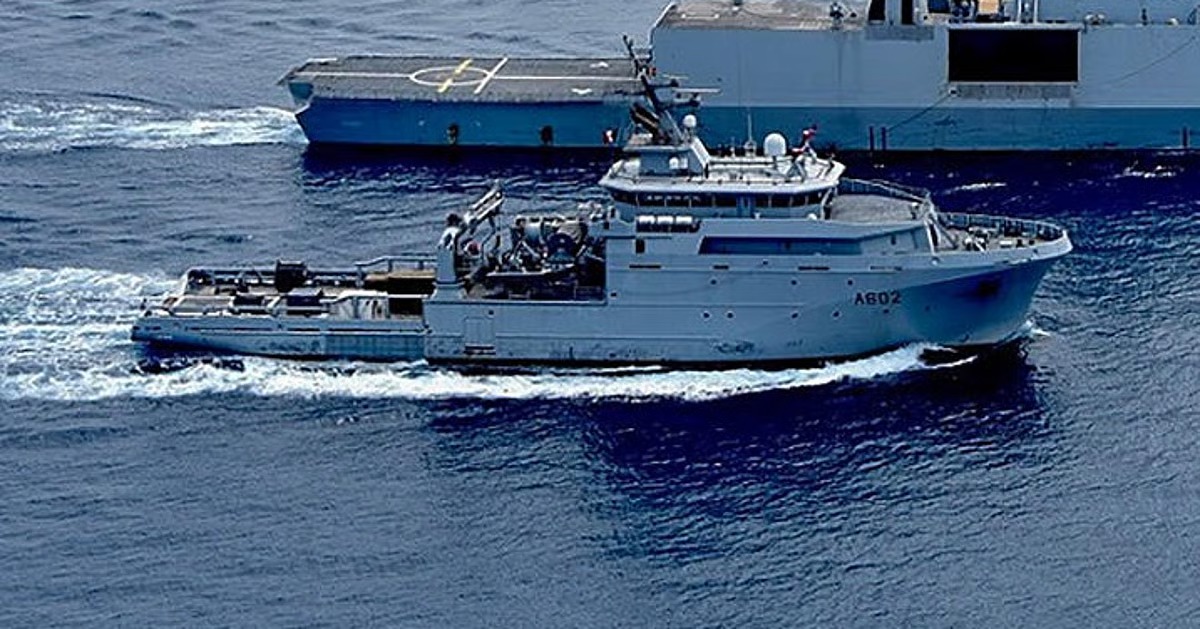




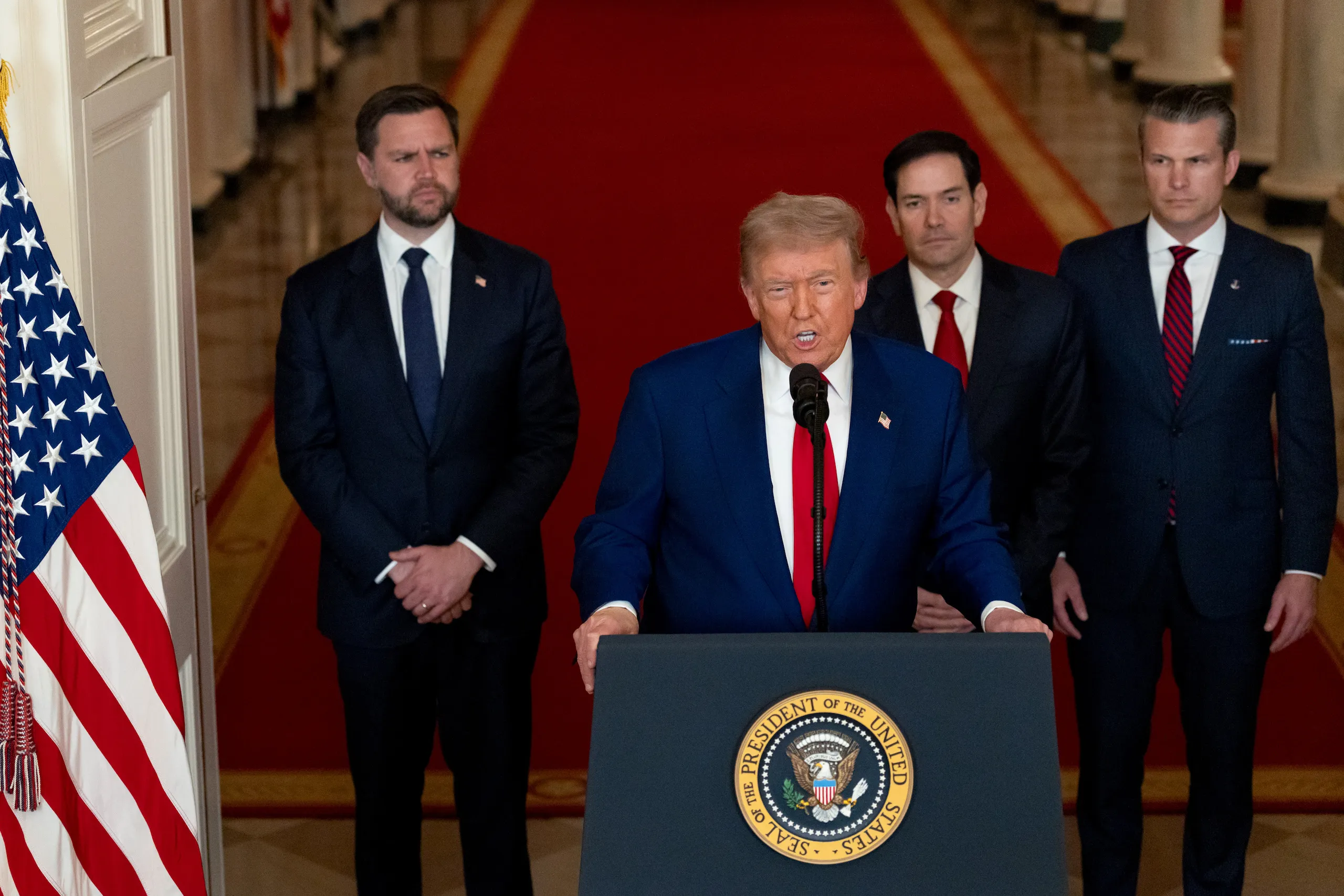
US President Donald Trump has formally notified Congress that the United States is at war with Iran, triggering a 60-day window for military operations without needing new congressional approval. The notification follows renewed clashes between US and Iranian forces over the Strait of Hormuz, according to Mint.
The formal war notice activates a legal framework that lets the US president direct military action for two months independently. After 60 days, the administration must either seek explicit congressional authorization to continue or scale down operations. This provision was originally designed to give military commanders flexibility during emergencies while keeping lawmakers informed of developments.
The Strait of Hormuz is a narrow sea passage between Iran and Oman through which roughly one-third of the world’s oil tanker traffic moves. Control and access to this corridor has been a persistent flashpoint between the US and Iran for decades. Recent clashes suggest tensions have escalated enough to cross the threshold for formal conflict notification.
For India, this development carries direct economic consequences. Oil prices are closely tied to stability in the Middle East. If military conflict intensifies in the Persian Gulf region, crude oil prices typically spike. India imports roughly 80 percent of its oil, making the country vulnerable to price shocks. Higher crude costs translate to increased petrol and diesel prices at Indian pumps, which then ripple through transportation costs and inflation across the economy.
The 60-day window is significant because it shifts decision-making power toward the executive branch. Critics argue this mechanism, while legally permissible, can allow military action to expand without the full democratic scrutiny that congressional debate and voting would normally provide. Supporters counter that it provides necessary speed in genuine security emergencies.
Tensions between the US and Iran have cycled through periods of escalation and restraint over several years. The two countries have engaged in economic sanctions, military posturing, and occasional direct naval confrontation in the Persian Gulf. Both sides have maintained military presence in the region, creating conditions where incidents can escalate quickly.
The coming 60 days will determine whether further military clashes occur or whether diplomatic channels can reduce tension. The authorization window creates space for negotiation but also permits rapid military action if incidents continue. Regional observers are watching whether other parties, including US allies in the Gulf and international shipping companies, respond to the formal war notification.