




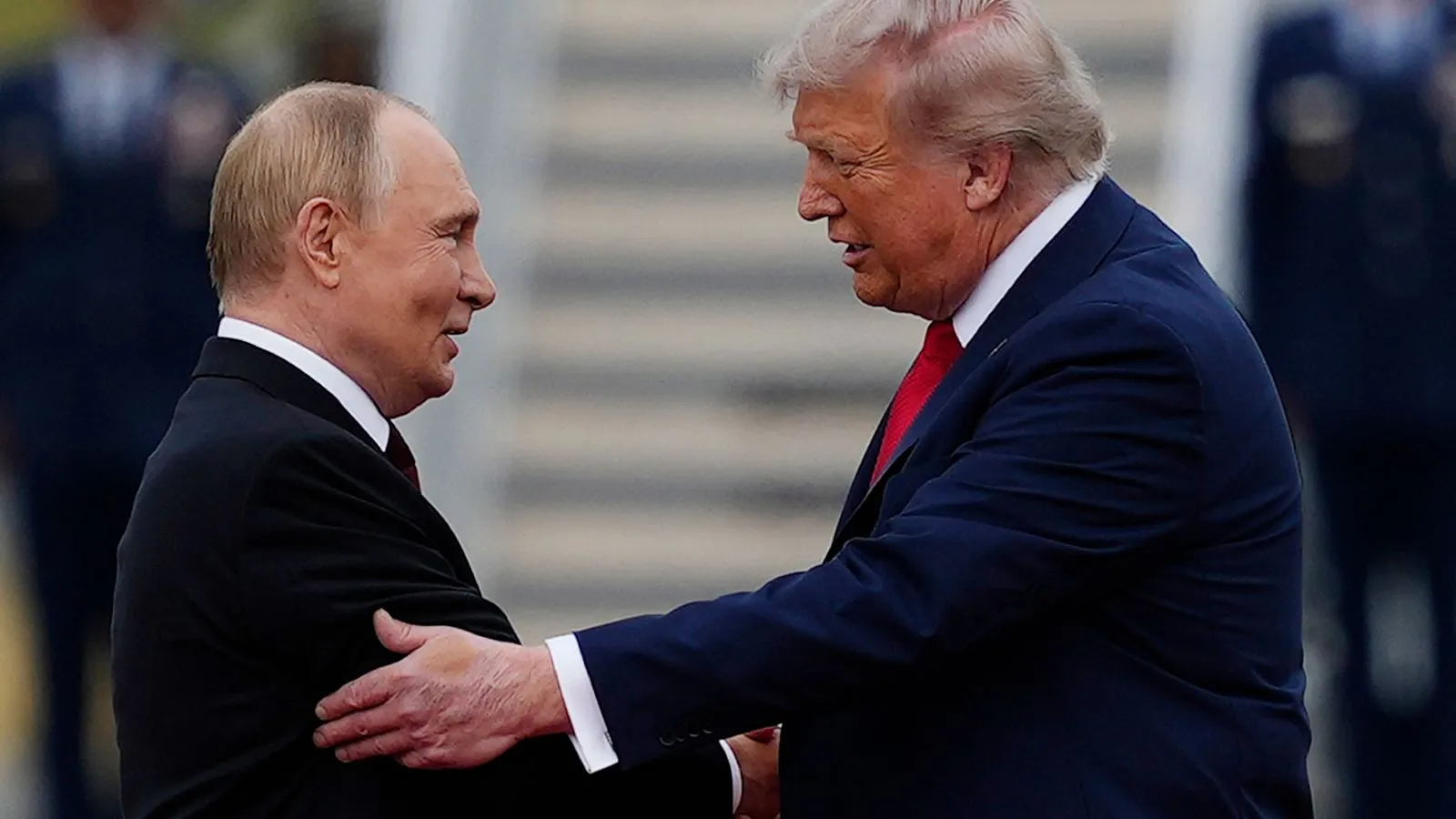
A revised US sanctions bill has lowered the maximum proposed tariff on major buyers of Russian oil and natural gas from 500% to 100%, significantly reducing the scale of a trade threat that could directly affect India and China.
The bipartisan legislation is designed to increase economic pressure on Moscow by targeting countries that continue to purchase large volumes of Russian energy. India and China are among the five largest buyers of Russian crude, alongside Slovakia, Hungary and Azerbaijan.
An earlier version of the bill proposed a blanket tariff of up to 500% on countries buying Russian oil, gas and uranium. The revised proposal instead caps tariffs at 100% and focuses the measure on the five largest purchasers of Russian oil and natural gas.
The change substantially dilutes one of the bill’s most aggressive provisions. However, India remains directly exposed to the proposed measure because of its position as a major buyer of discounted Russian crude.
Russian oil became an increasingly important part of India’s energy imports after Western sanctions and restrictions reshaped global crude trade following the invasion of Ukraine. Indian refiners increased purchases as Russian barrels were offered at discounts, helping India manage import costs while Moscow redirected energy exports away from traditional European markets.
The revised legislation also introduces an exemption for countries importing less than 15% of Russia’s natural gas exports if they are taking substantial steps to reduce their dependence. The provision could benefit countries including Japan, France, Hungary and Belgium.
Beyond tariffs, the bill targets Russia’s so-called “shadow fleet” of oil tankers operating outside Western maritime services. It also proposes measures against Russian financial institutions, including the country’s central bank, and major state-backed energy projects such as Yamal LNG and Arctic LNG 1, 2 and 3.
The legislation gives US President Donald Trump the authority to waive sanctions if he determines that doing so is in the country’s national interest, adding executive flexibility to how the measures could eventually be applied.
The bill was first introduced in April 2025 and has bipartisan backing in the US Senate. Senate aides said the revised legislation currently has 26 co-sponsors, with further support expected.
For India, the reduction from 500% to 100% removes the most extreme version of the tariff threat but does not eliminate the pressure surrounding Russian oil purchases. If passed and enforced, the revised measure could still place energy security and trade with the US in direct tension.
Source: Reuters, The Indian Express