




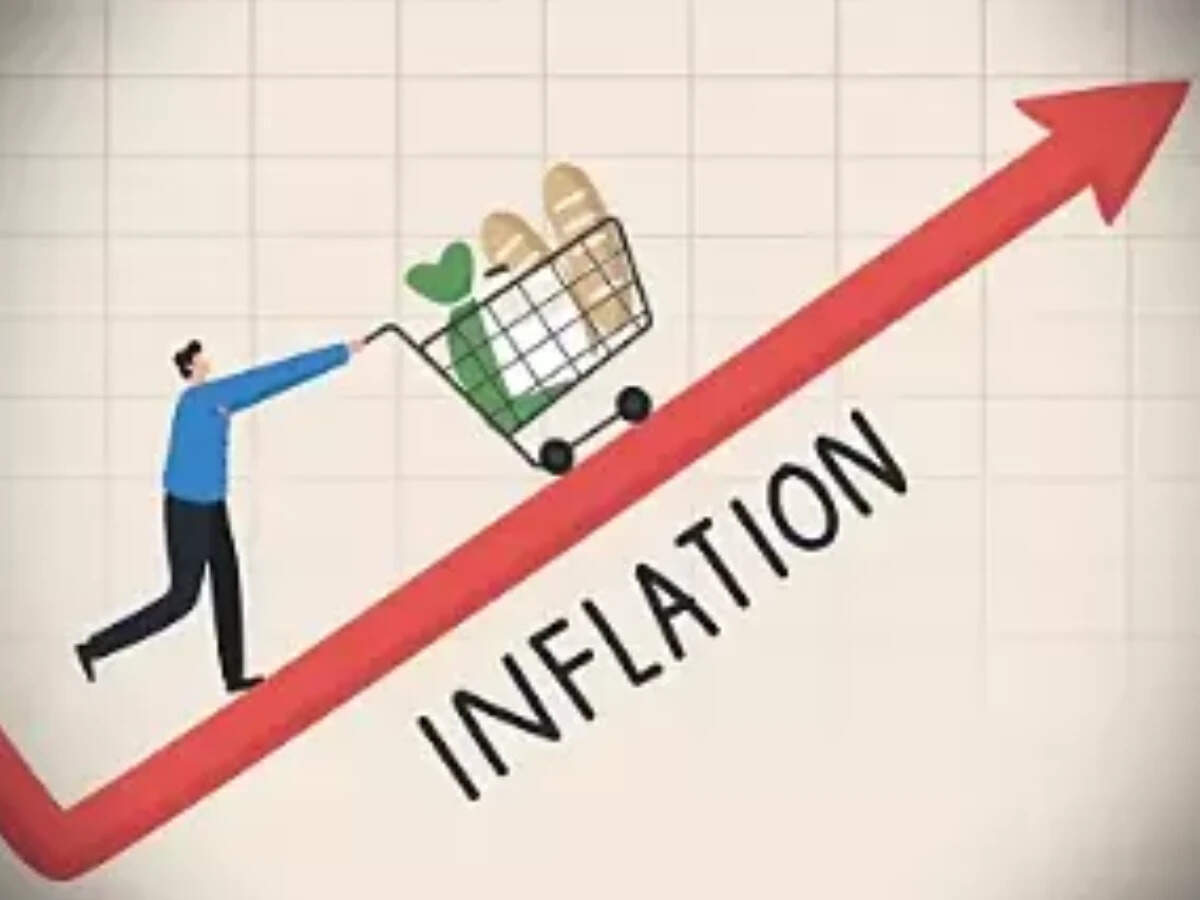
Retail inflation in India has climbed to 4.4 percent in December, driven primarily by rising costs of food and transport, according to data released this week. This marks a significant jump from the previous month’s reading and pushes inflation closer to the upper limit of the Reserve Bank of India’s comfort zone. The RBI typically aims to keep retail inflation between 2 and 6 percent, but levels approaching the upper end signal tightening conditions for household budgets across the country.
Food prices have been the main culprit behind the increase. Vegetables, cereals, and protein sources like meat and fish have all become more expensive in recent weeks. Transport costs have similarly surged, with fuel prices rising sharply and affecting not just private vehicle owners but also the price of goods transported across the country. These two categories together account for a substantial portion of what ordinary Indians spend money on each month, making the inflation spike directly felt by households managing grocery bills and commute costs.
What makes this number significant is the pattern it reveals. Inflation had been cooling earlier in the year, giving the RBI room to cut interest rates and make borrowing cheaper for banks and consumers. But rising food and transport costs suggest that cooling may not be as stable as hoped. Food inflation in particular tends to be driven by factors outside the RBI’s control, like weather patterns affecting crops and global crude oil prices affecting fuel. When these push up overall inflation, the central bank faces a difficult choice between supporting economic growth through lower rates or fighting inflation through higher ones.
For ordinary Indians, higher retail inflation means money in the wallet buys less than before. A family’s monthly grocery budget stretches thinner. Auto-rickshaw and bus fares edge up. Restaurants and food delivery services increase prices. Salaried workers whose pay doesn’t rise in line with inflation see their purchasing power decline. For those without fixed incomes, the pressure is even sharper. The RBI will be watching these numbers closely in coming months to decide its next policy move, but for now, households are already adjusting to thinner margins.