



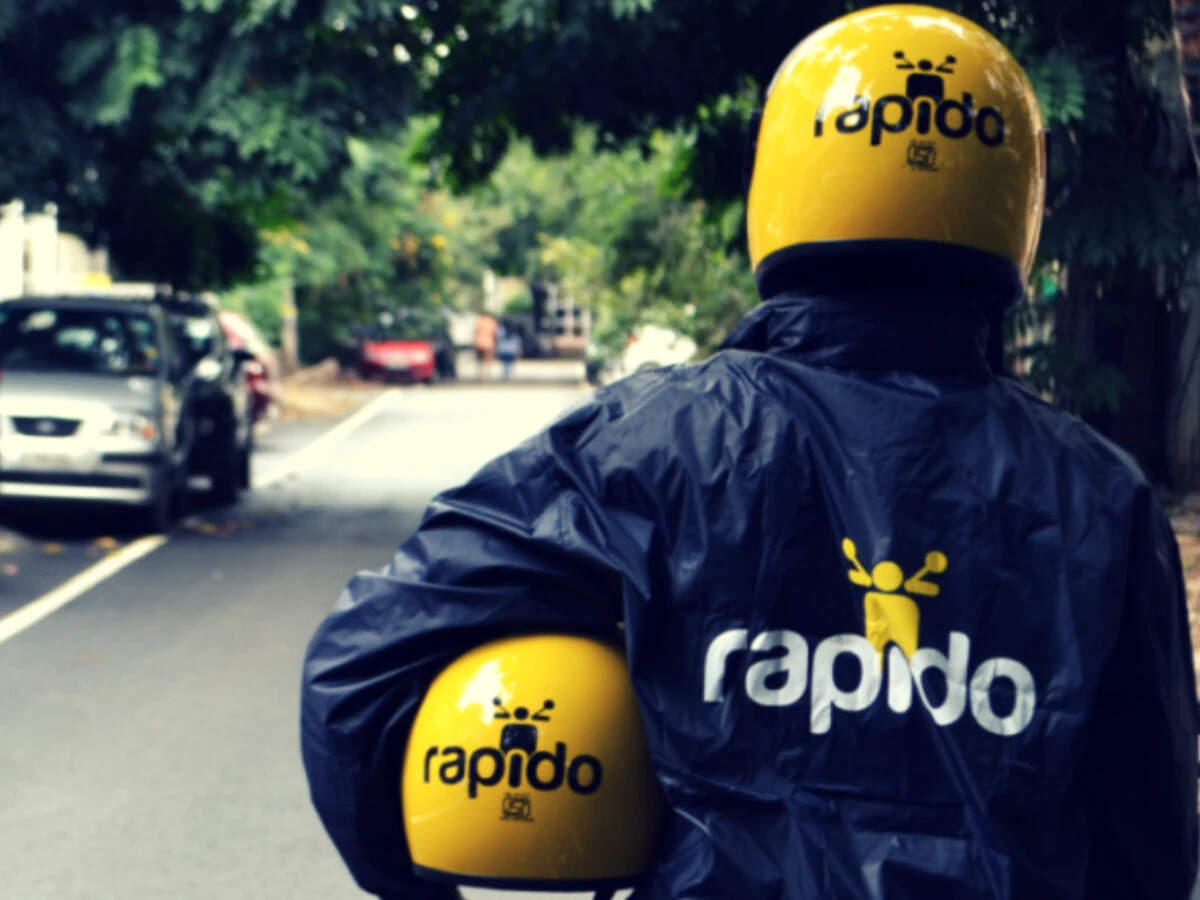
The government is considering applying GST, or Goods and Services Tax, to subscription-based ride-hailing platforms like Rapido and Bharat Taxi. This could reduce what drivers earn from each ride, according to a report in ET Economy.
Currently, these platforms operate differently from Uber and Ola. Riders pay a monthly subscription fee to access the service, and then pay a smaller amount per ride. The GST question is whether the tax should apply to the subscription itself, the per-ride charges, or both. If GST is added, it will increase the total cost to riders, which platforms might offset by paying drivers less per ride, or it could mean riders pay more while drivers see no change in earnings.
Why this matters: India has around 3 million ride-hailing drivers, with a growing number now working for subscription-based platforms. These drivers often work multiple platforms to earn a living, with thin margins already. A GST increase could directly cut their daily income. For riders, especially regular commuters in cities like Bangalore and Hyderabad where these platforms operate, monthly costs could rise by 5 to 18 percent depending on how GST is applied.
The uncertainty itself is a problem. Tax rules in India’s gig economy remain unclear. Uber and Ola were assessed GST differently across states for years before clarity emerged. Rapido and Bharat Taxi now face the same confusion. Until the tax authority issues clear guidelines, these platforms cannot adjust pricing or commission structures with certainty, leaving drivers in limbo about future earnings.
This reveals a broader issue: India’s GST system was designed for traditional businesses with fixed locations and inventory. Gig platforms, where work is flexible and income fluctuates, fit poorly into this framework. Other countries have debated similar questions and arrived at different answers. Some tax the platform, others tax the driver as an independent worker. India is still deciding.
The government has not yet announced a final decision. Industry bodies representing drivers and platforms are likely to push back, citing already-thin margins. The Finance Ministry and GST Council will need to balance tax revenue against driver livelihoods and platform growth in a sector that now employs hundreds of thousands.