




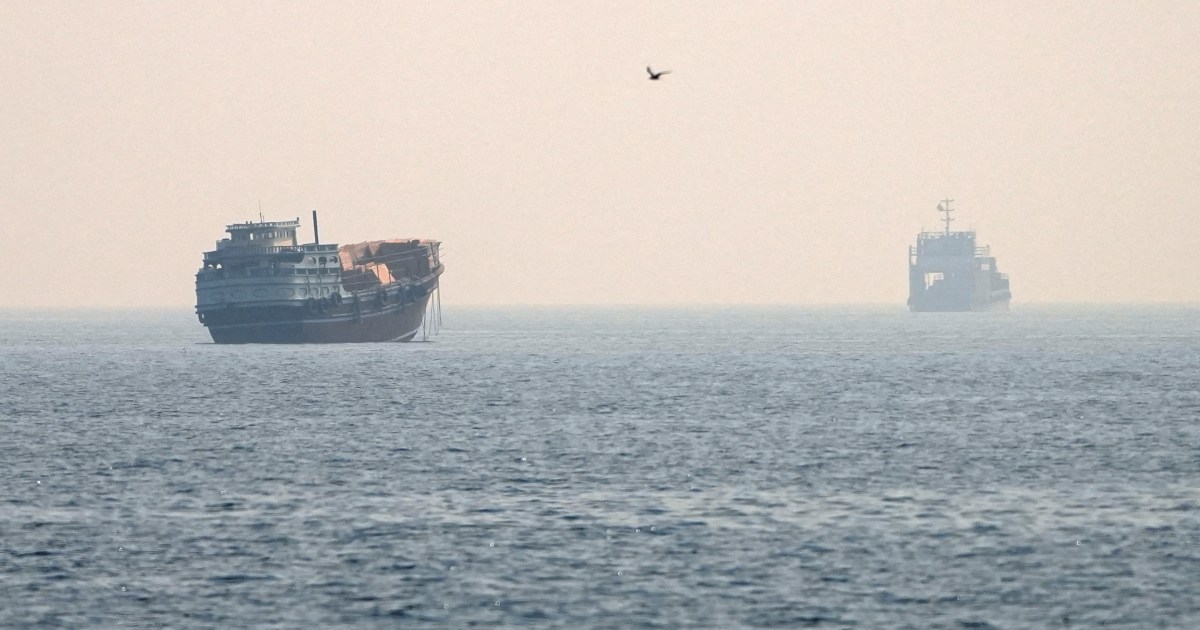
Traffic through the Strait of Hormuz, one of the world’s most critical shipping routes, has dropped sharply as tensions between the United States and Iran escalate. The waterway, which sits between Iran and Oman, handles roughly one-third of all seaborne oil traded globally. According to shipping data, the number of vessels passing through the strait has fallen significantly in recent weeks as fighting between the two countries intensifies.
Despite this dramatic fall in traffic, the price of Brent crude oil, the global benchmark, has remained relatively stable. This apparent disconnect reveals something important about how global oil markets now work. When the Strait of Hormuz faced previous crises, any disruption to traffic immediately pushed oil prices higher because markets feared shortages. This time, traders seem to believe that supplies will hold steady despite fewer ships moving through the waterway.
The decline in traffic tells two separate stories. First, shipping companies are actively avoiding the strait out of safety concerns. Vessels carrying goods worth billions now take longer, costlier alternate routes rather than risk confrontation. Second, countries that depend on Middle Eastern oil have begun drawing from their strategic reserves and shifting to other suppliers, reducing immediate demand for shipments through the strait.
For India and other Asian economies heavily dependent on Middle Eastern oil, this situation creates mixed outcomes. Lower oil prices help their import bills, but the uncertainty around shipping routes adds unpredictability to energy costs. Indian refineries, which process significant volumes of crude from the region, now face questions about supply reliability and route safety.
The stability in oil prices masks a deeper fragility in global energy markets. The system is absorbing the Strait of Hormuz disruption through a combination of reserve releases, route changes, and demand shifts rather than price spikes. However, this cushion has limits. If fighting intensifies further and blocks the strait entirely, or if reserves deplete faster than expected, prices could swing sharply upward. Energy analysts are watching whether this calm pricing reflects genuine confidence in supply resilience or simply a lag before market realities catch up.
What comes next depends on how long the US-Iran conflict persists and whether it directly blocks the waterway. For now, the shipping data shows a market adapting to crisis through detours and stockpile use rather than panic.