




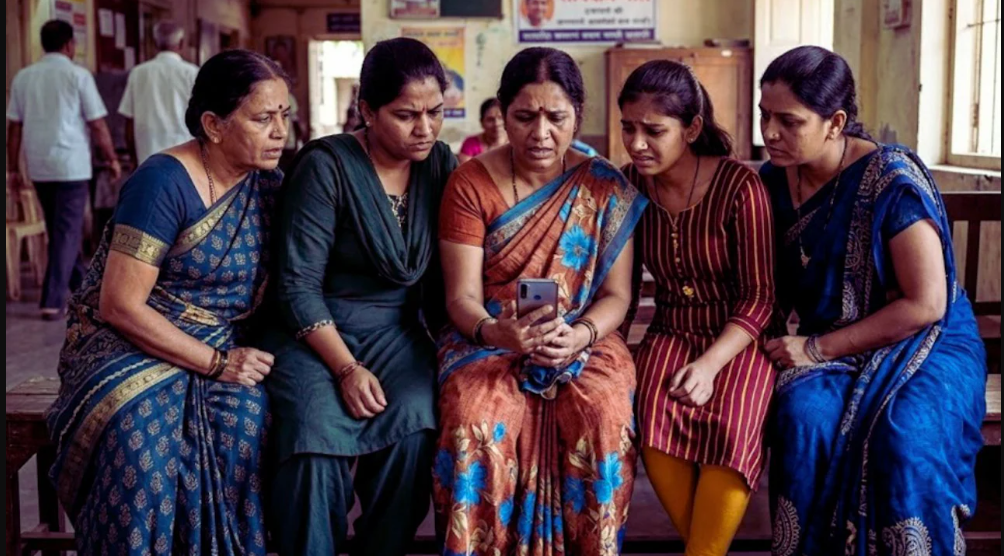
Maharashtra’s Ladki Bahin Yojana, a welfare scheme providing monthly cash to women, has removed 92 lakh beneficiaries from its list due to irregularities found during enrollment verification, according to official sources on Monday. The scheme, introduced by Chief Minister Devendra Fadnavis, targets women aged 21 to 60 from families meeting income criteria.
The removal of such a large number of beneficiaries raises immediate questions about how the scheme was initially implemented. When nearly a quarter of enrolled women are dropped after verification, it suggests either insufficient checks during the original enrollment or unclear communication about eligibility requirements. The government has not yet provided a detailed breakdown of which irregularities led to the removals or how many women have challenged their exclusion.
Welfare schemes depend heavily on beneficiary trust. Women who believed they met the criteria and submitted applications now find themselves removed without transparent explanation of what went wrong. Some may have made genuine mistakes in filling forms, while others may have been incorrectly rejected due to errors in the government’s verification process. Without clarity on these distinctions, affected women cannot determine whether to appeal or reapply.
The large-scale removal also reveals gaps in how the scheme was rolled out. Before launching a major welfare program, government agencies should conduct pilot testing and establish clear, documented eligibility criteria. They should also train staff on how to guide applicants and verify information consistently. The scale of removals suggests these groundwork steps may have been insufficient. When a scheme drops 92 lakh beneficiaries after initial enrollment, it points to fundamental problems in design or implementation.
Maharashtra’s government will need to provide affected women with a transparent appeals process. This requires publishing the specific irregularities that led to each removal, allowing women to understand what happened and challenge decisions if they believe they were wrongly excluded. Without this transparency, the scheme risks losing credibility among its target population. Future welfare schemes in the state should incorporate these lessons, ensuring robust verification happens before enrollment rather than after, and establishing clear redressal mechanisms from the start.