



For years, cricket has been the centrepiece of sports marketing in India. It offered unmatched reach, loyal audiences and some of the country’s biggest advertising opportunities.
That remains true today.
But brands are no longer putting all their eggs in one basket.
From FIFA’s global appeal and Wimbledon’s growing popularity among younger Indian audiences to the NBA’s fan experiences and pickleball’s rapid rise, marketers are finding new ways to connect with consumers beyond cricket. What was once seen as niche is steadily becoming an important part of India’s evolving sports economy.
Industry estimates suggest football now commands an audience of nearly 300 million in India, second only to cricket. Wimbledon, meanwhile, attracts more than 82 million Indian viewers annually, making South Asia its largest market by reach. Those numbers are encouraging brands to rethink how they approach sports partnerships.
Moving beyond visibility
The FIFA World Cup offers one of the clearest examples of this shift.
Electronics brand Hisense has treated India as a priority market since becoming an official FIFA partner in 2017. According to Pankaj Rana, CEO of Hisense India, the 2022 World Cup reached more than 110 million viewers across Indian platforms, while the 2026 edition is expected to cross 150 million.
For the company, those audiences have translated into business results.
Hisense reported a 40–50% increase in sales of larger-screen televisions during the tournament, with demand expected to rise further as the competition progresses. The strongest response has come from football strongholds such as West Bengal, Kerala, Odisha and the North East, alongside major metropolitan markets.
Instead of relying solely on television advertising, the company has combined regional outdoor campaigns, radio activations, retail promotions and social media initiatives tailored to football fans.
Diageo has approached the tournament differently but with a similar objective.
Rather than focusing on product sales alone, the company views global sporting events as cultural moments that strengthen emotional connections with consumers. For its Black & White non-alcoholic beverage range, football has become a platform to celebrate togetherness rather than simply generate impressions.
Despite their different strategies, both brands share a common approach: success is measured not only by reach but also by long-term consumer engagement and brand recall.
Sports are becoming year-round communities
Global leagues are also changing how brands think about fan engagement.
The NBA, for instance, is investing in experiences that extend beyond live broadcasts. Its BUDX NBA House in New Delhi brought together NBA legends, celebrities and fans through interactive events, basketball games and entertainment, creating an experience that blended sport with lifestyle.
According to NBA India Country Head Sunny Malik, India is entering a genuine multi-sport era, where brands are looking beyond traditional cricket partnerships and building relationships with fans through year-round communities rather than short-term campaigns.
That strategy reflects a broader trend.
Brands increasingly want to become part of the sporting experience instead of simply advertising around it.
Pickleball is creating a new marketing opportunity
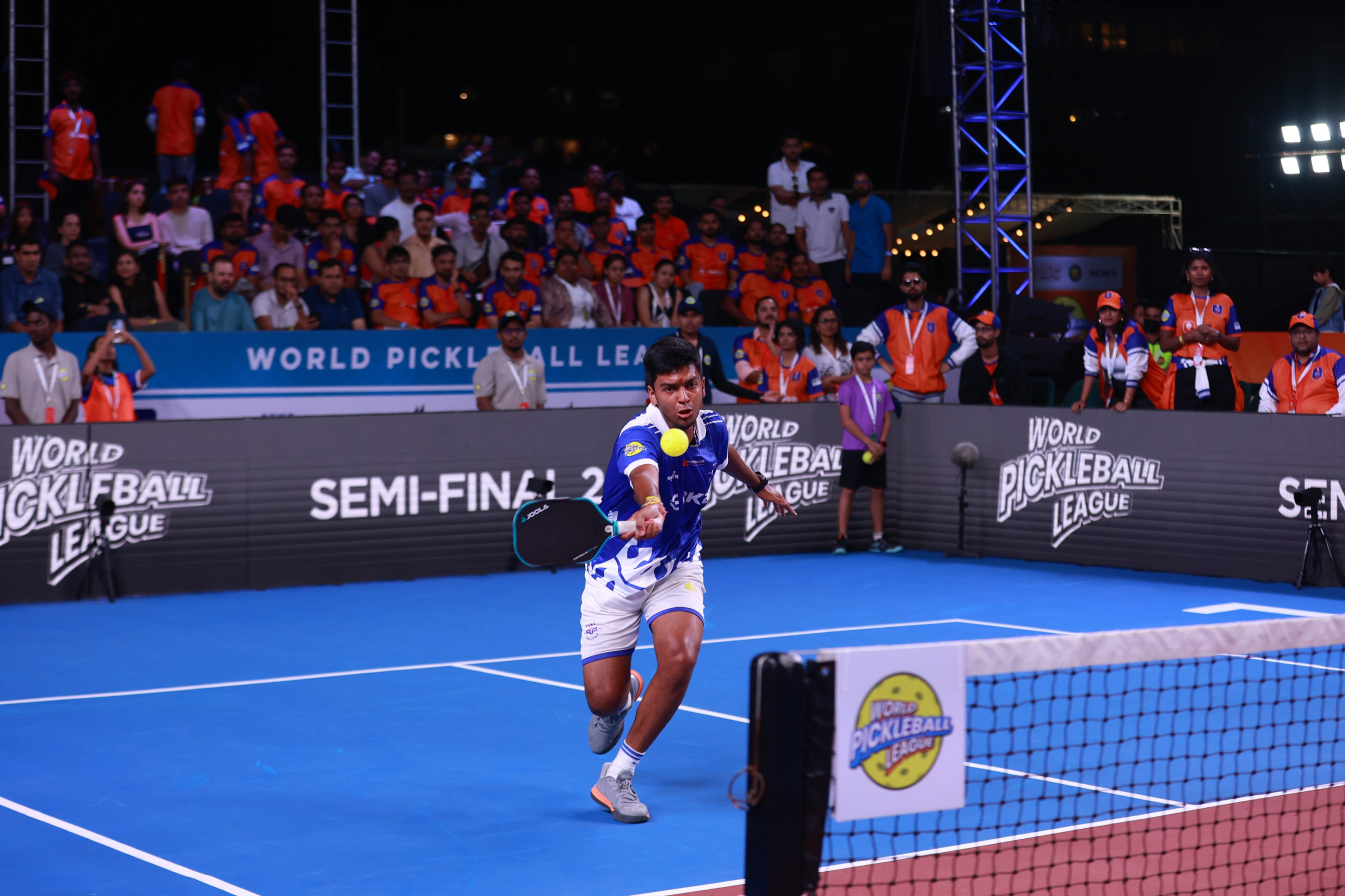
While FIFA, Wimbledon and the NBA represent established global sporting properties, pickleball is creating something different.
Its rapid growth in India is being driven by local leagues, celebrity investors and growing participation rather than television audiences alone.
Figures such as Karan Johar, Samantha Ruth Prabhu and Sania Mirza have helped bring visibility to the sport, while hotels, residential communities and sports clubs have begun adding pickleball courts to meet growing demand.
For companies like Picklebay, the objective is not to sponsor someone else’s event but to build original sporting properties through tournaments and community-led competitions.
Founder Siddhant Jatia believes the biggest opportunity lies in attracting young, affluent and digitally engaged consumers- the same audience that follows sports such as the NBA and Wimbledon.
For marketers, that represents a different kind of investment: building long-term communities instead of chasing one-off spikes in visibility.
A broader sports marketing strategy
None of this suggests cricket is losing its position at the top of India’s sporting landscape.
Its scale remains unmatched.
What has changed is the range of opportunities available to brands.
Football is helping sell premium televisions. Wimbledon is inspiring collaborations that connect global sport with local culture. The NBA is building lifestyle communities around basketball. Pickleball is creating entirely new commercial ecosystems through participation.
Instead of replacing cricket, these sports are expanding the marketing playbook.
For brands, the future is unlikely to revolve around choosing one sport over another. It will depend on building a balanced portfolio- using cricket for scale while turning to other sports for deeper engagement, stronger communities and year-round consumer connections.