



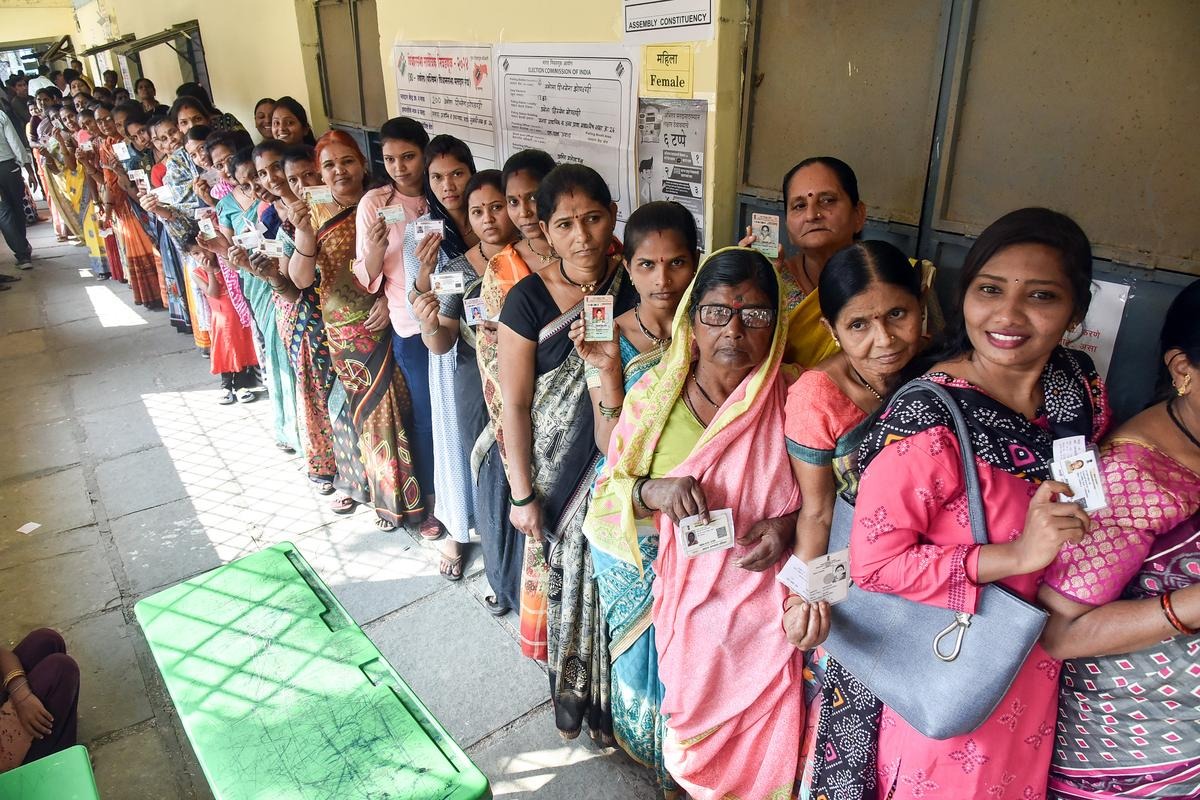
Women’s cash transfer schemes have become one of the defining features of state elections over the past four years. Since 2022, the number of states offering monthly financial assistance to women has grown from two to 14, with a combined annual outlay of ₹1.68 trillion, or around 0.5 per cent of India’s GDP.
Many of these programmes were introduced ahead of elections and proved politically successful. Maharashtra’s Majhi Ladki Bahin scheme was widely credited with helping the Mahayuti alliance return to power. West Bengal expanded Lakshmir Bhandar, while states including Jharkhand, Delhi, Haryana and Madhya Pradesh also increased financial support for women.
Unlike one-time welfare announcements, monthly cash transfers become recurring commitments. Every year’s budget has to account for them, making them increasingly difficult to scale back once millions of beneficiaries depend on the payments.
That pressure is beginning to show.
Maharashtra has reduced the allocation for Majhi Ladki Bahin and narrowed its list of beneficiaries following verification. Karnataka continues to fund Gruha Lakshmi, but the Comptroller and Auditor General has linked the state’s welfare commitments to lower infrastructure spending. Other states have expanded payouts despite growing revenue deficits and rising debt.
The debate is no longer limited to whether cash transfers improve lives. Studies suggest they can increase household spending, encourage savings and recognise unpaid domestic work. Economists also argue that direct transfers are often more effective than multiple overlapping subsidies when they are well targeted.
The challenge for governments is finding room for these programmes year after year without putting additional pressure on state finances. Every increase in welfare spending leaves less flexibility elsewhere in the budget, forcing governments to decide how much they can spend on infrastructure, social services and other priorities.
As more states head towards elections, cash transfer schemes are likely to remain politically attractive. The bigger test will come after the votes are counted, when governments have to fund promises that have become permanent features of their budgets.
Source: Business Standard