



India’s 125-run defeat to England at Trent Bridge exposed a problem that has been quietly growing in overseas conditions. The batting collapse was not an isolated failure but another reminder of a recurring weakness against high-quality pace and bounce.
Being bowled out for just 76, India’s second-lowest total in T20Is, was alarming. But the bigger concern is how the collapse unfolded. England’s fast bowlers repeatedly targeted the hard-length area (6-10 metres), forcing India’s batters into uncomfortable positions and exposing a weakness that has resurfaced away from home.
The numbers tell the story.
During India’s victorious T20 World Cup campaign earlier this year, the batters averaged 47.70 against hard-length deliveries while scoring at a strike rate of 165.63. Since then, the returns overseas have dipped sharply. During the Ireland tour, that average dropped to 17.17, and it has fallen even further to 14.29 in the ongoing England series, with the strike rate slipping to 105.26.
England executed the plan almost perfectly.
Instead of searching for extravagant swing, Jofra Archer and Josh Tongue consistently hit the deck at high pace. Of the 42 balls bowled by England’s seamers, 20 landed in the back-of-a-length zone (8-10 metres). Those deliveries produced five wickets while conceding only 22 runs, making it the most productive length of the innings.
Archer’s pace hurried India’s top order, while Tongue finished with career-best T20 figures of 4 for 28. Together, the pair shared seven wickets as India crumbled inside 11 overs.
The issue is no longer limited to one innings either.
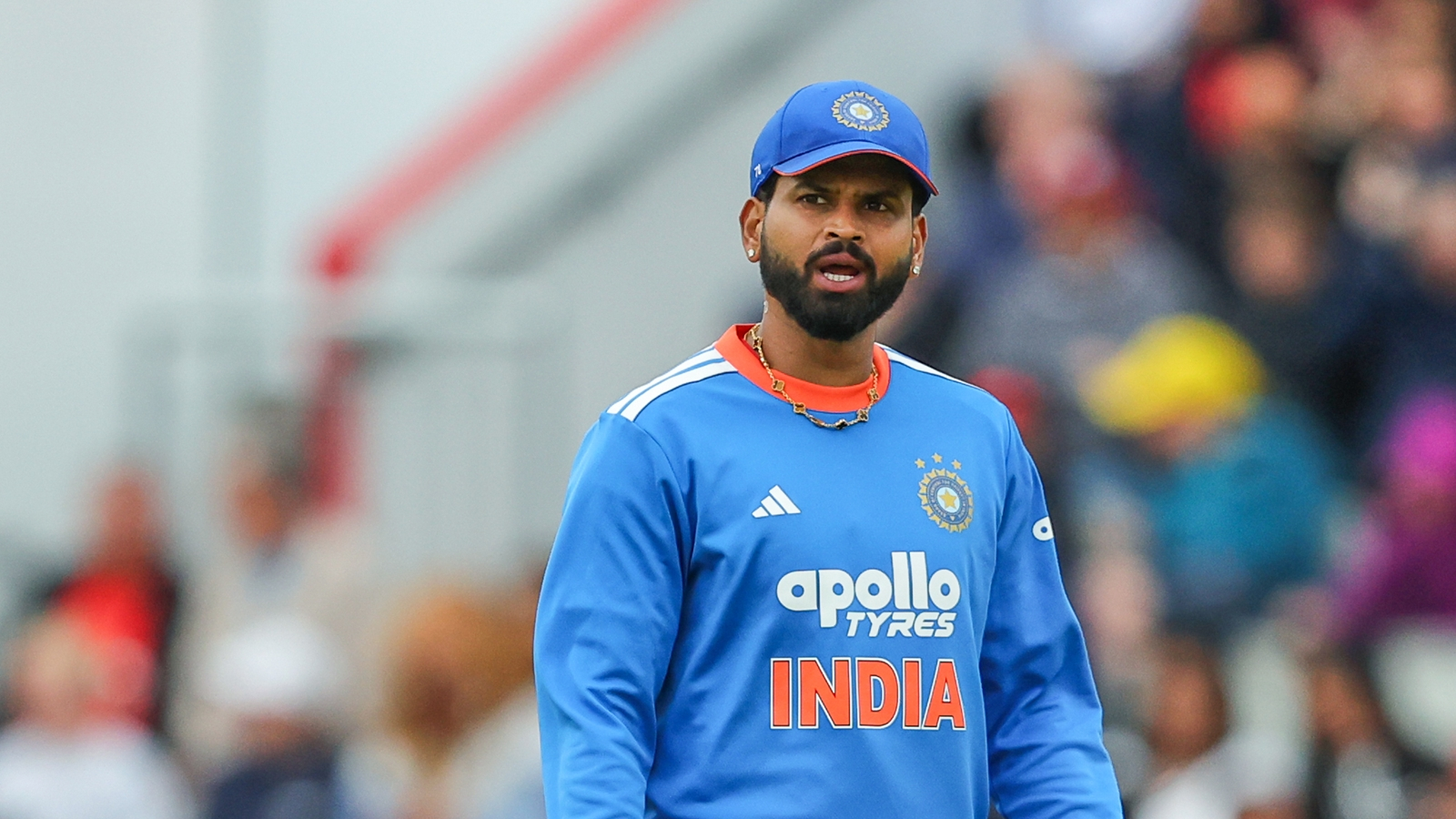
Among India’s batters, only Tilak Varma has consistently handled hard-length bowling on overseas tours since 2025, averaging 49 against such deliveries. Abhishek Sharma has managed 123 runs but at an average of only 17.57 after being dismissed seven times. Captain Shreyas Iyer is yet to be dismissed by deliveries in that zone, but has managed only 21 runs off 19 balls, striking at just 110.52.
Shivam Dube has struggled even more, managing 15 runs from 16 balls while being dismissed three times, averaging 5.00. Sanju Samson has struggled even more, scoring 20 runs from 27 balls while being dismissed five times, averaging just 4.00. Ishan Kishan has also found scoring difficult, managing 27 runs from 32 deliveries at a strike rate of 84.37.
These numbers suggest opponents have identified a clear blueprint.
India’s batting philosophy is built around attacking intent, but hard lengths combined with high pace have restricted the strokeplay that has made this lineup so dangerous on flatter surfaces. England simply exposed the weakness better than anyone else.
The concern for India extends beyond this series. Once a successful strategy becomes evident, other teams are quick to adopt it. Unless India’s batters develop better methods against hard-length bowling in overseas conditions, this could become the template opponents use throughout the next T20 cycle.
The talent within India’s batting lineup is unquestionable. But recent results suggest that overcoming this technical challenge may be just as important as finding the right combination of players.